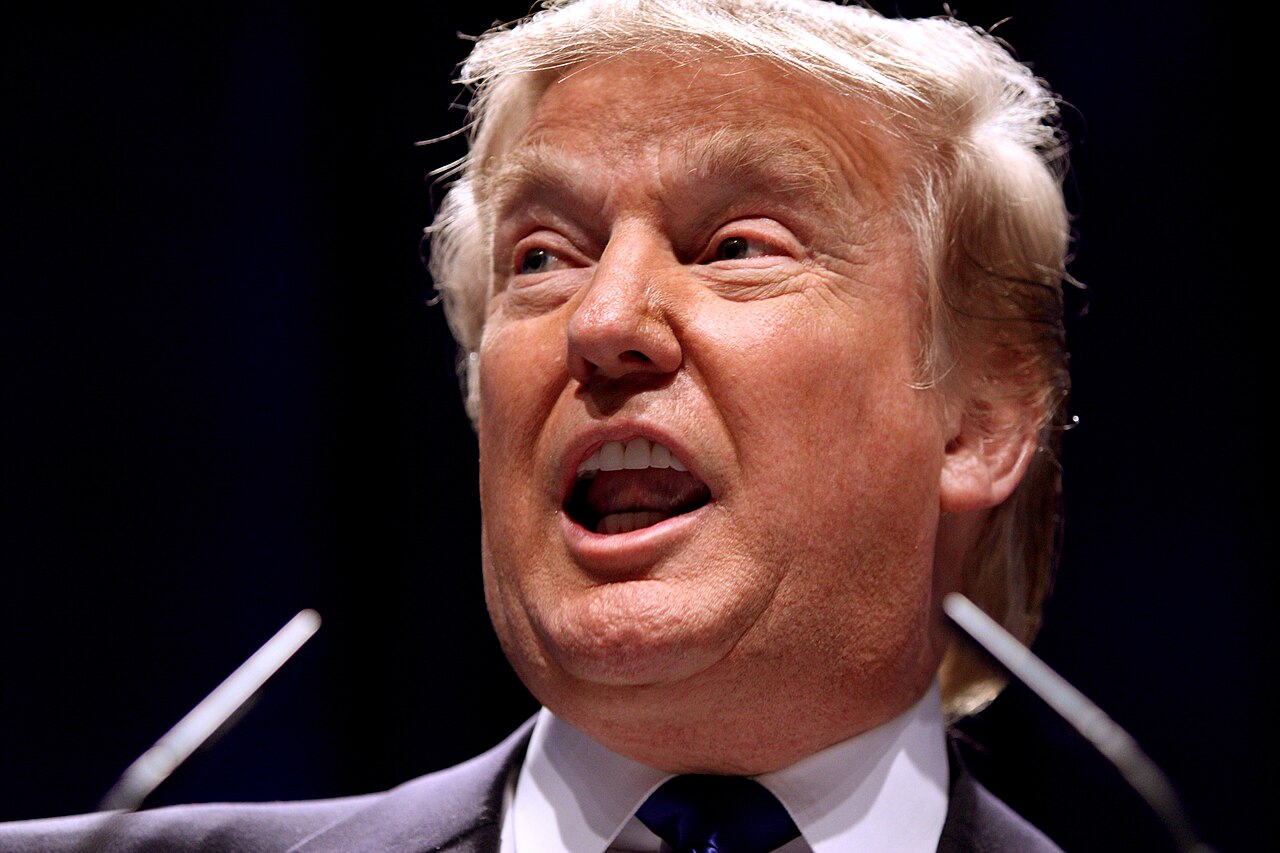
Donald Trump’s State of the Union address on February 24, 2025, failed to resonate with American audiences, drawing approximately 27.8 million viewers across seven major broadcast and cable networks, according to preliminary Nielsen data reported by OK! Magazine. This figure marks a 12 percent decrease from Trump’s previous address to a joint session of Congress in 2025, transforming what was intended as a showcase for his second term into a significant ratings disappointment.
The implications of this decline extend beyond mere viewership numbers. The combination of a lengthy speech, which ran for 1 hour and 47 minutes—the longest recorded State of the Union address, surpassing Bill Clinton’s 2000 record of 1 hour and 28 minutes—and a lukewarm audience response suggests a growing disconnect between presidential rhetoric and public engagement. Trump’s speech attracted fewer viewers than Joe Biden’s 2024 address, which garnered 32.2 million viewers, and significantly less than his own first-term high of 47.7 million in 2017.
Viewership trends indicate a fragmented media landscape where political figures compete for attention reminiscent of the entertainment industry. In this context, Fox News emerged as the leader, drawing 9.1 million viewers, highlighting its status as a platform for loyal supporters while indicating a lack of persuasive reach to undecided audiences.
Viewer sentiment also reflected dissatisfaction. Only 38 percent of those who watched reported a “very positive” reaction, the lowest rating among Trump’s five major congressional addresses. Such a figure complicates any narrative of triumph, particularly for a president known for his assertive proclamations.
The event was further marred by notable absences. Reports indicate that around half of the House and Senate Democrats boycotted the address as part of a coordinated protest, coinciding with a rally on the National Mall organized by MoveOn and MeidasTouch, featuring Senators Chris Murphy, Tina Smith, and Chris Van Hollen. While some Democratic leaders, including House Minority Leader Hakeem Jeffries and Senate Minority Leader Chuck Schumer, attended, Jeffries advised members to either boycott or remain in “silent defiance.”
Inside the chamber, tensions escalated as Representatives Ilhan Omar and Rashida Tlaib interrupted Trump’s speech, particularly during his remarks on immigration policies. Omar shouted accusations related to the deaths of her constituents during enforcement actions, further intensifying the divisive atmosphere. Trump’s response on Truth Social was characteristically provocative, describing the Congresswomen as having “the bulging, bloodshot eyes of crazy people,” a remark that underscores the ongoing culture wars permeating American politics.
Reactions to the address were sharply critical. Senator Mark Kelly described Trump’s delivery as divisive and angry, a sentiment echoed by various media outlets. The Guardian noted that Trump appeared to have “run out of steam,” while Axios characterized the address as a “rose-colored spectacle” disconnecting from pressing public concerns such as affordability and inflation. Critics pointed out the stark contrast between Trump’s optimistic portrayal of a “Golden Age” and the reality that 65 percent of Americans disapproved of his handling of inflation.
The fallout from the address extended into public discourse, with multiple New York Times columnists voicing their discontent. Jamelle Bouie described the speech as riddled with “braying racism,” while Elizabeth Williamson deemed it a “tedious, tiresome performance.” The Daily Beast labeled the address a “craven, meandering, mean-spirited flop,” and The New Republic referred to Trump as a “malicious buffoon,” further illustrating the perception of his presidency as increasingly out of touch with the American public.
In summary, Trump’s State of the Union address spotlighted significant challenges in presidential communication and public engagement, revealing a complex landscape that extends far beyond the immediate spectacle of political theatre.