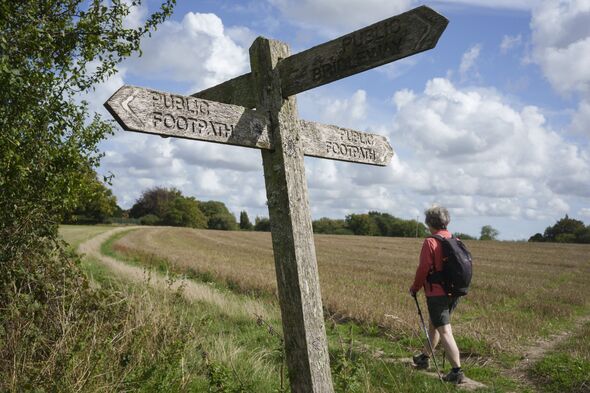
A recent report from the Department for Environment, Food and Rural Affairs (DEFRA) has sparked controversy by suggesting that the English countryside is “too white” and requires changes to encourage greater ethnic diversity among visitors. This statement has provoked strong reactions, with critics questioning the validity of such claims and expressing concern about the implications of these views for rural communities.
The DEFRA report, which reportedly cost more than £100,000 to produce, aims to address what it describes as a lack of diversity in England’s protected landscapes. Advocates of the report argue that increasing representation is essential for creating an inclusive environment. However, detractors have pointed out that the narrative surrounding the countryside and its visitors can have unintended consequences.
One noteworthy aspect of this debate is the comparison to a previous Welsh government report suggesting that the outdoors should become more welcoming to Muslims due to an alleged overpopulation of dogs in public spaces. Critics have dismissed this notion as absurd and indicative of a broader trend they see in what they refer to as “wokery.”
Many are questioning the underlying motivations behind such reports. The idea that the countryside is inherently racist has been labeled as a desperate attempt by proponents of woke culture to exert influence over public opinion. In light of this, some commentators argue that this approach to social issues could be counterproductive, potentially alienating those who may feel their cultural heritage and lifestyle are being overlooked or misrepresented.
As discussions around the implications of these reports continue, it is important to consider the resources allocated to such initiatives. Critics emphasize the need for accountability from elected officials regarding taxpayer money spent on initiatives perceived as unnecessary or misguided.
In an age where public discourse increasingly polarizes, the challenge lies in fostering a dialogue that balances inclusivity with respect for traditional values. The ongoing debate about the representation in the countryside reflects a broader struggle over the evolving definitions of community and belonging in modern society.
As these discussions unfold, it remains crucial for both policymakers and the public to engage thoughtfully with the complexities of cultural representation while ensuring that community needs are met. Ultimately, the goal should be to enhance the richness of the countryside for all individuals, irrespective of their background.