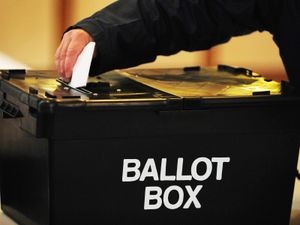
Local councils in the UK are facing a significant challenge to organize reinstated elections scheduled for May 7, following a surprising policy reversal by the government. The deputy chief executive of the Association of Electoral Administrators highlighted that returning officers and election staff have lost critical planning time due to the government’s latest announcement, which reinstated elections in 30 council areas after initially stating they would not proceed this year.
The announcement came on March 25, 2024, amidst ongoing discussions about local government reorganization. The government revealed that it would provide £63 million to local authorities undergoing changes. Housing, Communities, and Local Government Secretary Steve Reed acknowledged that councils had expressed valid concerns regarding their ability to conduct elections effectively.
The sudden change in policy has raised questions about the government’s broader devolution agenda. Matthew Hicks, the Conservative leader of Suffolk County Council, expressed that the decision casts doubt on the feasibility of merging councils into single, unitary authorities. He stated, “Local councils across the country are experiencing whiplash as major Government decisions shift repeatedly and without warning.”
Election Planning Disrupted
Election administrators are now in a race against time to ensure that polling stations are set up and staff are available for the upcoming elections. Laura Lock, deputy chief executive of the Association of Electoral Administrators, expressed her disappointment, stating, “These teams now face an uphill struggle to catch up to where they should be.” The complexity of local elections, which differ significantly from general elections, adds to the urgency of the situation.
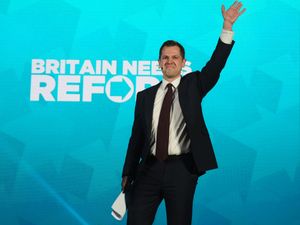
In light of the policy shift, Nigel Farage, leader of Reform UK, has called for Reed’s resignation, claiming that attempts to deprive nearly five million voters of their ballots were illegal. The reversal of the decision follows a legal challenge initiated by Farage’s party, which was due to be heard shortly before the government announced its new stance. The government has agreed to cover the legal fees incurred by Reform UK, estimated to be around £100,000.
The decision has also drawn criticism from other political leaders. Kemi Badenoch, a Conservative leader, characterized the situation as “predictable chaos from a useless Government.” Meanwhile, Lynn Worrall, the leader of Labour-run Thurrock Council, called the late reversal “disappointing,” emphasizing the challenges it poses for effective election planning.
Implications for Local Governance
The uncertainty surrounding the elections reflects broader concerns about the government’s approach to local governance and devolution. Several councils, including those in Lincoln, Exeter, Norwich, and others, were initially informed that their ballots would not take place, leading to confusion among local officials and voters alike. Richard Wright, chair of the District Councils’ Network, noted that council officers and local electorates are bewildered by the ongoing changes to the electoral timetable.
In response to the rapid changes, a spokesperson for the Ministry of Housing, Communities and Local Government stated, “Providing certainty to councils about their local elections is now the most crucial thing.” As the May elections approach, councils are working diligently to adapt to the new timeline and ensure that democracy is upheld.
The situation underscores the challenges faced by local authorities amidst shifting governmental policies. With the elections just weeks away, the pressure to deliver a smooth electoral process remains high, and the implications of this policy U-turn will likely resonate well beyond the ballot boxes.