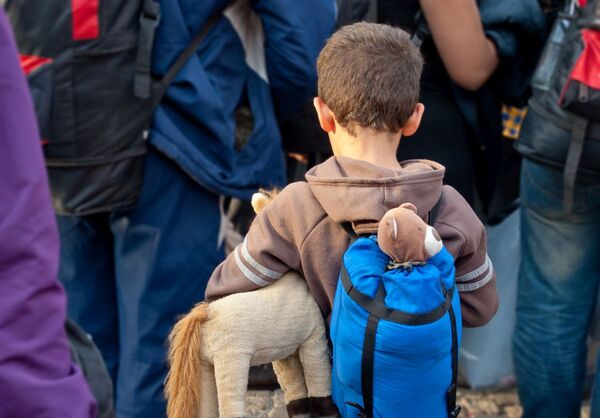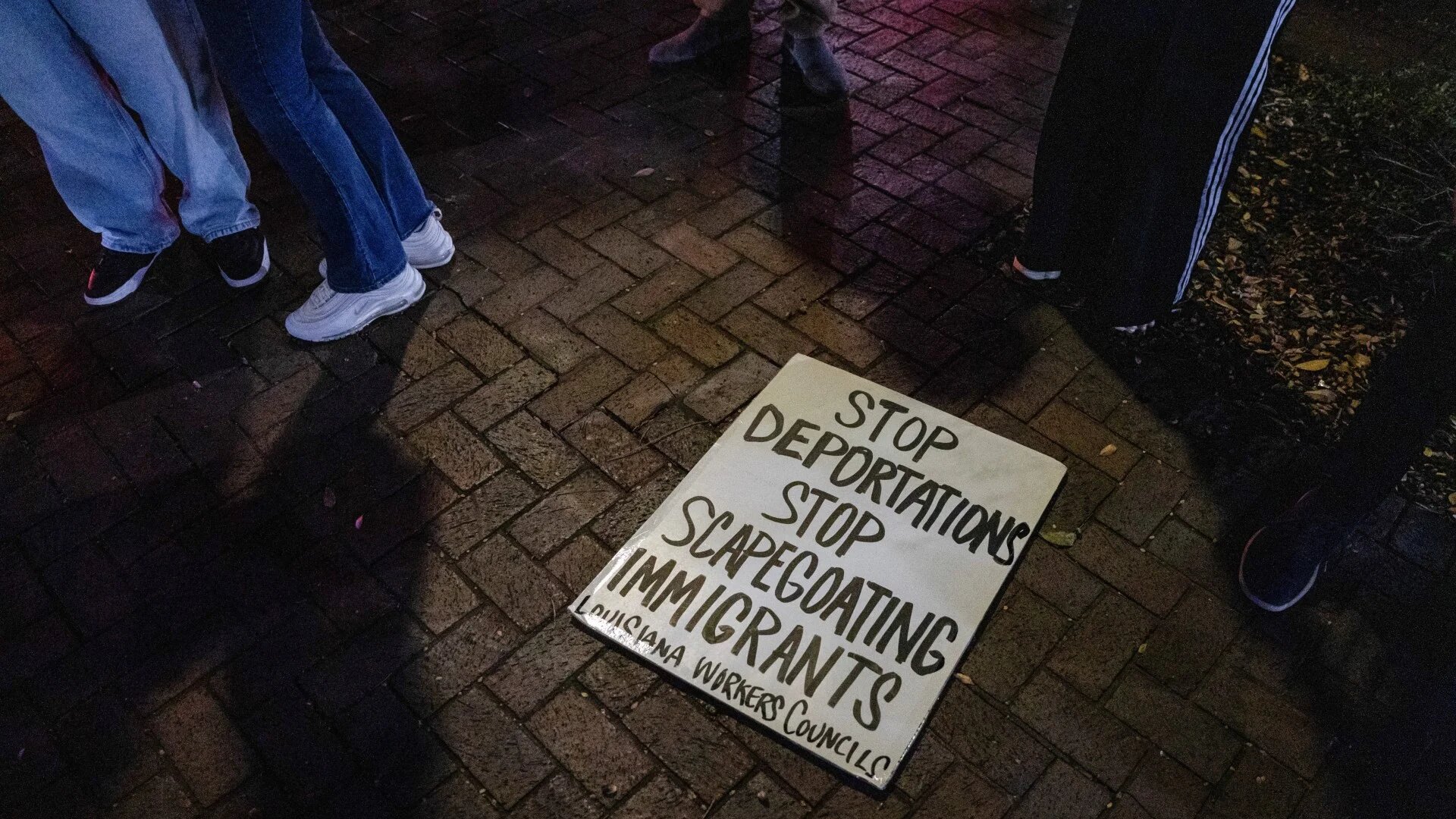
Afghans who assisted American personnel during the two-decade war in Afghanistan are facing a troubling requirement to appear for in-person immigration check-ins on federal holidays, specifically Christmas Day on December 25 and New Year’s Day on January 1. Advocacy group AfghanEvac reported that at least two individuals received notifications to bring their documents to immigration offices on these significant dates, raising concerns about potential enforcement actions during times when legal support may be limited.
Scheduling immigration check-ins on major holidays is highly unusual, according to AfghanEvac. The group stated, “At minimum, it places individuals in a coercive position. At worst, it appears designed to reduce access to due process protections.” The fear is that these check-ins could lead to arrests and deportations, particularly given past actions by immigration authorities.
Over the past year, immigrants attending routine check-ins have faced the risk of being detained by masked federal agents. AfghanEvac’s president, Shawn VanDiver, is urging affected Afghans to reach out for support during these check-ins, as immigration agents possess the discretion to detain individuals regardless of their legal representation.
Lawyers typically advise immigrants to attend their scheduled check-ins, as missing one can result in immediate deportation. AfghanEvac emphasized that the legal limbo faced by Afghan parolees and evacuees stems from Congress’s failure to provide a stable immigration status, not from any wrongdoing. The decision to schedule check-ins on these holidays raises serious doubts about the routine nature of such administrative actions.
Impact of Recent Policy Changes
The situation has been exacerbated by the previous administration’s approach to Afghan immigration. In May, the Trump administration dismantled the Operation Enduring Welcome program, which facilitated the relocation of vetted Afghan allies. Additionally, the Office of the Coordinator for Afghan Relocation Efforts, responsible for the Special Immigrant Visa (SIV) program, was also eliminated. Although the administration has not officially ended SIV processing, these changes have significantly slowed the processing of applications for tens of thousands of Afghans.
While a federal court has mandated the expedited processing of long-delayed SIV applications, the government has indicated its intention to appeal this ruling. The administration also revoked Temporary Protected Status for Afghans, leaving over 11,000 individuals in the U.S. in a precarious legal situation.
In a recent televised address, Donald Trump stated that immigrants who do not show love for the country would not be welcomed, following the arrest of an Afghan man involved in a shooting incident. The Department of Homeland Security has reported that approximately 70,000 Afghans have relocated to the U.S. since the chaotic withdrawal in August 2021, while an estimated 180,000 remain in the queue through the SIV program.
Concerns Over Immigration Enforcement
The backlog at U.S. Citizenship and Immigration Services (USCIS) has been compounded by a renewed focus on the re-screening of immigrant applications and social media accounts for those holding student or work visas. On December 5, Kristi Noem, Secretary of Homeland Security, announced the establishment of a new vetting center aimed at enhancing the screening of immigration applications to identify potential security threats.
Despite assurances of thorough and comprehensive vetting processes, advocates like VanDiver argue that recent policy changes signal a broader unwelcoming stance toward immigrants, particularly Afghans. Since January 20, when Trump took office, USCIS has referred over 14,400 immigrants to Immigration and Customs Enforcement (ICE), resulting in at least 2,400 arrests at immigration offices.
The scheduling of check-ins on Christmas and New Year’s Day serves as a stark reminder of the ongoing challenges faced by Afghan immigrants in the United States. As advocacy groups continue to monitor these developments, the call for a more humane and supportive immigration policy remains urgent.