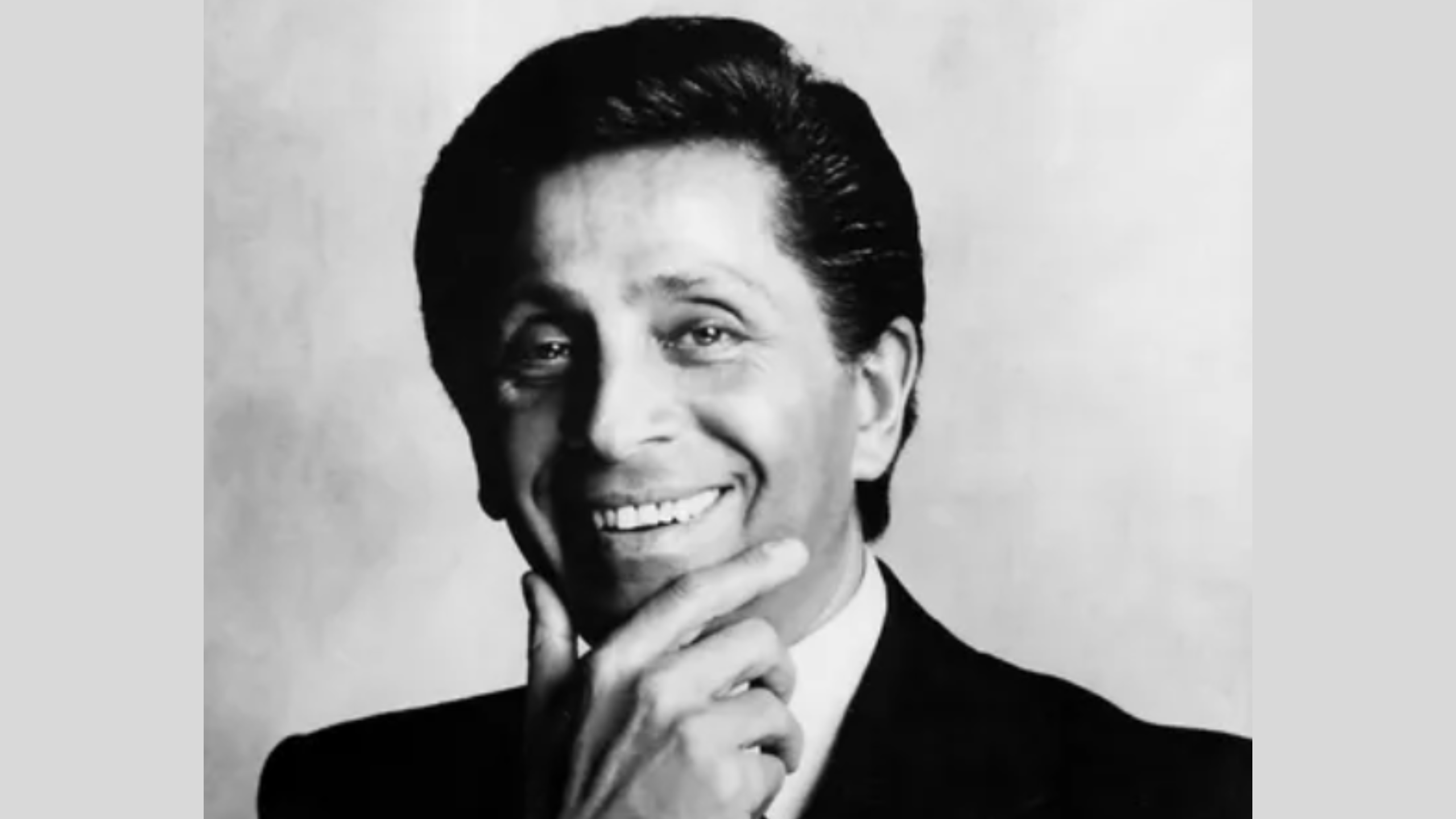
Valentino Garavani, the renowned Italian fashion designer known for his luxurious haute couture and contributions to global fashion, has died at the age of 93. He passed away peacefully of natural causes at his residence in Rome on January 20, 2026, as confirmed by his foundation. Garavani’s death marks the end of an era defined by nearly six decades of artistic influence, exquisite craftsmanship, and a series of controversies that often overshadowed his achievements.
As tributes pour in from across the world, including heartfelt acknowledgments from figures in Milan and Hollywood, reflections on Garavani’s legacy highlight both his significant contributions to fashion and the disputes that frequently arose during his career.
Controversial Views on Beauty and Diversity
Throughout his career, Garavani expressed traditional views on femininity that sometimes clashed with evolving societal attitudes. In a 2007 interview with RTL Television, he stated his regret for women who appeared without makeup, insisting that they should “always be perfect.” Such remarks drew widespread criticism, especially as the fashion industry began advocating for broader definitions of beauty and inclusion.
His opinions on social standards also led to backlash. Garavani voiced his disapproval of relaxed dress codes in cultural venues, expressing shock at theatre-goers in casual attire. These statements positioned him at odds with a younger audience and fellow designers advocating for diversity and modernity.
Another significant controversy arose with his Spring/Summer 2016 collection, which was designed by Maria Grazia Chiuri and Pierpaolo Piccioli. The show featured predominantly white models styled with cornrows and dreadlocks, alongside garments inspired by African motifs. Critics accused Valentino of cultural appropriation, particularly noting that only eight of the 87 models were Black and that the show descriptions used terms like “wild” and “primitive.”
Financial Scrutiny and Legal Issues
Garavani’s career was not without legal challenges, particularly regarding financial matters. He and his long-time partner, Giancarlo Giammetti, were implicated in the 2016 Panama Papers investigation. The documents linked them to offshore companies, leading to scrutiny from Italian tax authorities. They ultimately settled the matter with an estimated payment of €33 million (£28.72 million).
Additionally, Garavani faced a protracted trademark dispute with Mario Valentino, which escalated into legal action in 2019. The conflict revolved around branding and logo usage, further complicating his business legacy.
In late 2025, the Valentino brand encountered fresh criticism following the launch of the “DeVain Digital Creative Project,” an AI-led campaign perceived by some consumers as inconsistent with the craftsmanship associated with haute couture. Around the same time, allegations surfaced against Janice Lam, Valentino’s chief executive for Greater China, regarding a toxic workplace culture, prompting internal investigations within the company. These developments underscored the tension between Garavani’s traditional vision and the rapid changes within the fashion industry.
Valentino Garavani’s body lay in state on January 21 and 22, 2026, at Piazza Mignanelli, with a funeral service held in Rome on January 23. Italian Prime Minister Giorgia Meloni paid tribute to him, describing Garavani as “an eternal symbol of Italian high fashion.”
Born in 1932 in Voghera, Italy, Garavani founded his fashion house in 1960 and became one of the most influential designers of the 20th century. He dressed iconic figures such as Elizabeth Taylor, Audrey Hepburn, and Princess Diana, and is credited with establishing the signature Valentino Red, a hue now recognized by Pantone. After retiring in 2007, he concluded his career with a memorable all-red haute couture show.
Garavani’s life and career were immortalized in the 2008 documentary, “Valentino: The Last Emperor.” Despite the controversies that accompanied his legacy, his impact on global fashion remains profound and enduring.