Legalization of illegal structures in Montenegro has become a protracted and uncertain process for many citizens, according to Željka Krivokapić-Milićević, Director of the Center for Legalization of Real Estate. Since the introduction of the first legal framework in 2017, the system has often lagged behind the law, leaving citizens caught between various bureaucratic hurdles.
Krivokapić-Milićević notes that many individuals entered the legalization process with the belief that possessing a property listing was sufficient. However, they soon discovered that registration in the land registry does not equate to legal status. The absence of encumbrances or restrictions does not guarantee the existence of a building permit; it often reflects a time when such records were not mandatory. This realization frequently struck people at critical moments, such as during property sales, inheritances, or attempts to secure loans, significantly adding to their distress.
The complexities of changing laws and procedures have compounded these challenges. As Krivokapić-Milićević points out, what was once a rule could quickly become an exception or subject to new interpretation. Citizens often found themselves acting as intermediaries between institutions that lacked coordinated databases, standardized forms, or clear communication.
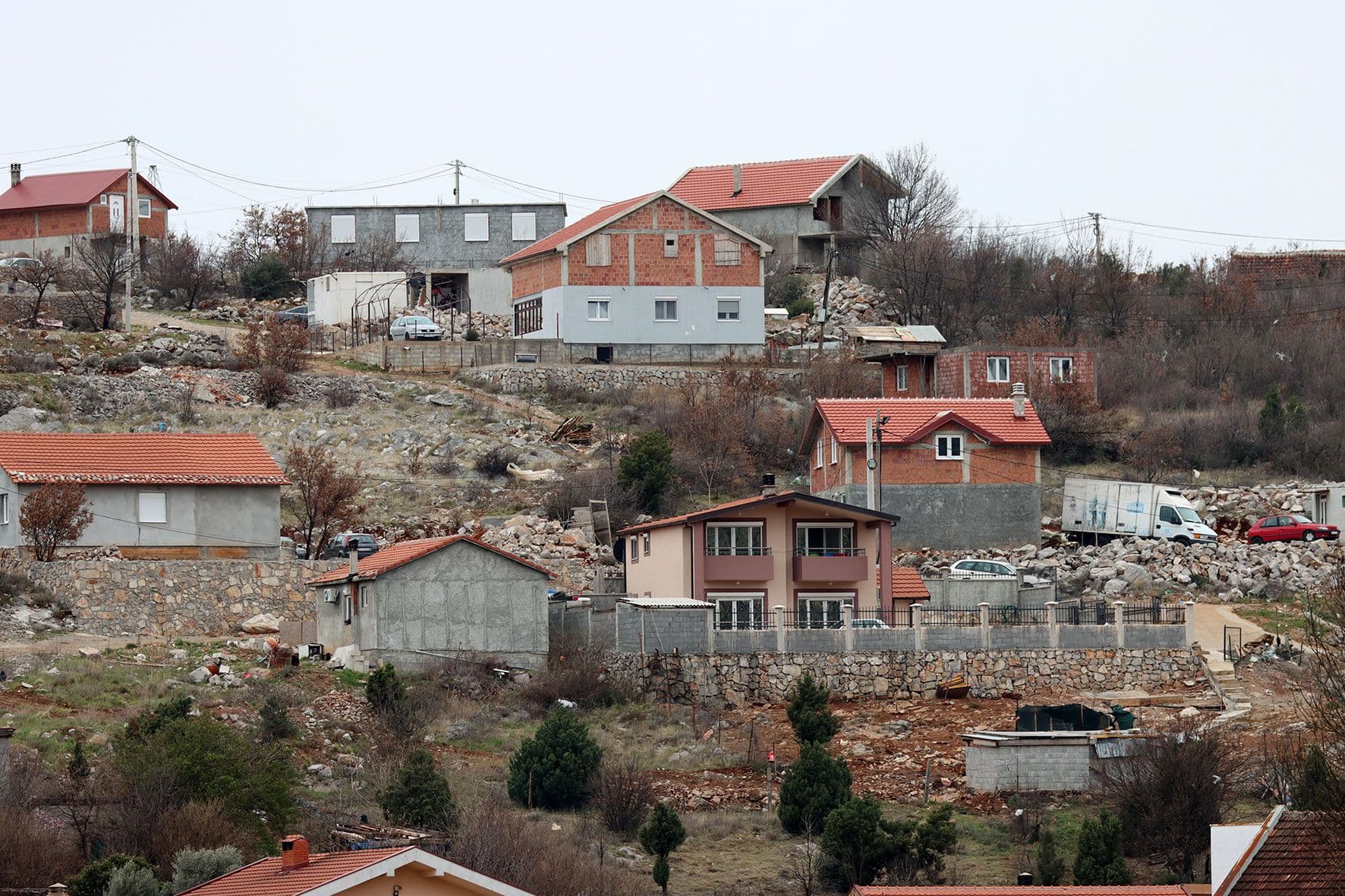
Frustration stemmed not from a reluctance to comply with the law but from an inability to navigate its requirements. The experience was particularly painful for those whose properties changed over time, such as enclosed terraces or converted attics. What might have been a natural adaptation to family needs turned into an identity crisis for the property during legalization.
Deadlines only intensified the pressure. Citizens faced legal terms beyond their influence, with resolution speed contingent on institutional capabilities. Local governments and land registries managed tens of thousands of cases, often with insufficient staff and frequent procedural changes. As Krivokapić-Milićević asserts, “A citizen cannot be faster than the system,” highlighting the need for improved institutional capacity and stability.
While she emphasizes the challenges faced by officials within the system, she also insists that the solution lies not in blaming individuals but in strengthening institutional frameworks. “If we want faster legalization, we must empower institutions rather than burden them with fault,” she stated.
The situation is particularly distressing for expatriates and foreign property owners. Physical distance, tight deadlines, and the need for notarizations make the legalization process both costly and stressful. Many have been paying taxes on their properties for years, which magnifies the sense of injustice: the state recognizes the property when collecting taxes but fails to provide full legal security.
Krivokapić-Milićević highlights that the most vulnerable among citizens are the elderly, families with a single home, and those who built during times when planning documentation was either nonexistent or inaccessible. For them, legalization is not merely a financial issue but a matter of dignity and security.
She draws a clear distinction between legalizing luxury properties intended for profit and regular family homes built for living. Recent announcements of new legislative changes bring cautious optimism, as they aim to address specific issues raised by citizens over the years. The extension of deadlines acknowledges the realities of life and administration.
Clarifying the relationship between property documentation and identity seeks to alleviate fears of procedural failures due to technicalities. The potential to avoid repeating already verified documents could provide significant financial relief. Furthermore, allowing properties that are not clearly visible on records to be validated through expert findings and evidence restores a sense of fairness to the system.
Krivokapić-Milićević asserts that enabling inheritance, division, and gifting within immediate family reflects an understanding that life cannot pause during administrative processes. This approach represents a crucial step towards making legalization a facilitator of life rather than a barrier.
She remains realistic, stating that no law can resolve issues on its own. Without stable procedures, consistent application, inter-agency communication, and serious digitalization efforts, even the best legislative changes risk being ineffective.
The state must also draw a clear line for the future. While legalization may provide understanding for past actions, new construction without permits must face zero tolerance, strict oversight, and serious penalties.
Ultimately, the core issue of legalization in Montenegro revolves around one question: do we want a system that offers clear rules and security to citizens, or one where people must navigate uncertainty alone? The answer will not be evident solely in the legal texts but in practice—whether citizens will feel that the rules are not traps but pathways to stability. This topic transcends urban planning and law; it encompasses trust, accountability, and the maturity of society, as emphasized by Krivokapić-Milićević.