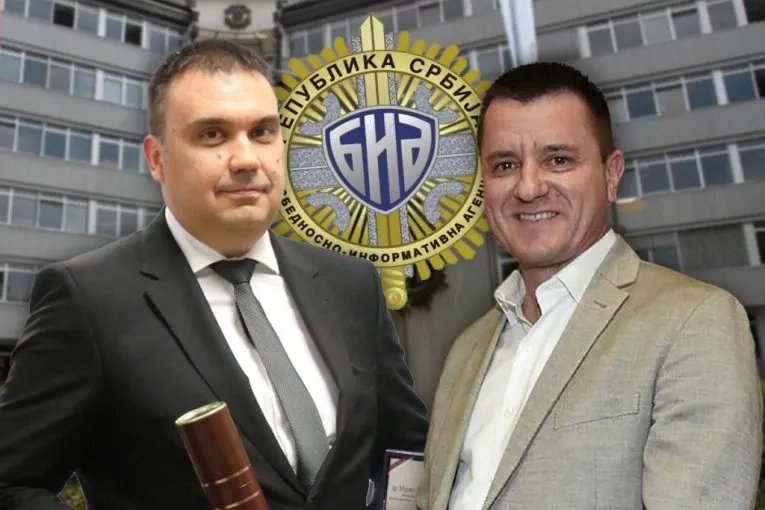
Marko Parezanović has been removed from his position as the chief of the Bezbjednosno informativne agencije (BIA), Serbia’s security and information agency. He is succeeded by Nikola Vasiljević, who previously led the BIA’s Novi Sad center. This change comes amid ongoing scrutiny of Parezanović’s tenure, which has been marked by controversy and allegations of misconduct.
According to reports from Nova.rs, Parezanović has been assigned to a much-reduced role as an advisor to the BIA director. This new position carries significantly fewer powers and influence within the agency. Further personnel changes within the BIA are anticipated before the end of the year.
Controversies Surrounding Parezanović
Parezanović is known for his loyalty to Serbian President Aleksandar Vučić and has been implicated in various controversies involving questionable activities. Notably, he was mentioned in messages exchanged by the Šarić brothers, linked to the controversial sentencing of Darko Šarić, a notorious figure in organized crime. The messages also referenced Appeals Court Judge Milimir Lukić, suggesting attempts to influence judicial outcomes.
In a report by KRIK, it was revealed that Serbian police had previously linked Parezanović and former Interior Minister Nebojša Stefanović to aiding Darko Šarić’s criminal network. Investigations allege that Stefanović provided two police associates to assist the Šarić clan and personally delivered confidential information to them. Notably, he is said to have received a watch worth €17,000 from the criminal organization, as indicated in messages exchanged among the criminals.
Ongoing Investigations and Political Implications
Reports suggest that Parezanović served as a conduit to a powerful official referred to as “Oskar” in criminal communications. President Vučić has publicly stated he is uncertain whether he is the individual referred to by that name in the context of Darko Šarić’s group, acknowledging that discussions often included his name.
The implications of these personnel changes at the BIA may extend beyond internal agency dynamics, potentially impacting the political landscape in Serbia. As the government grapples with the fallout from these controversies, the new appointment of Vasiljević presents an opportunity for a shift in strategy within the agency.
The ongoing scrutiny of Parezanović and the BIA reflects broader concerns regarding transparency and accountability in Serbia’s security apparatus. With additional changes expected, the coming months may reveal more about the direction the agency intends to take under new leadership.