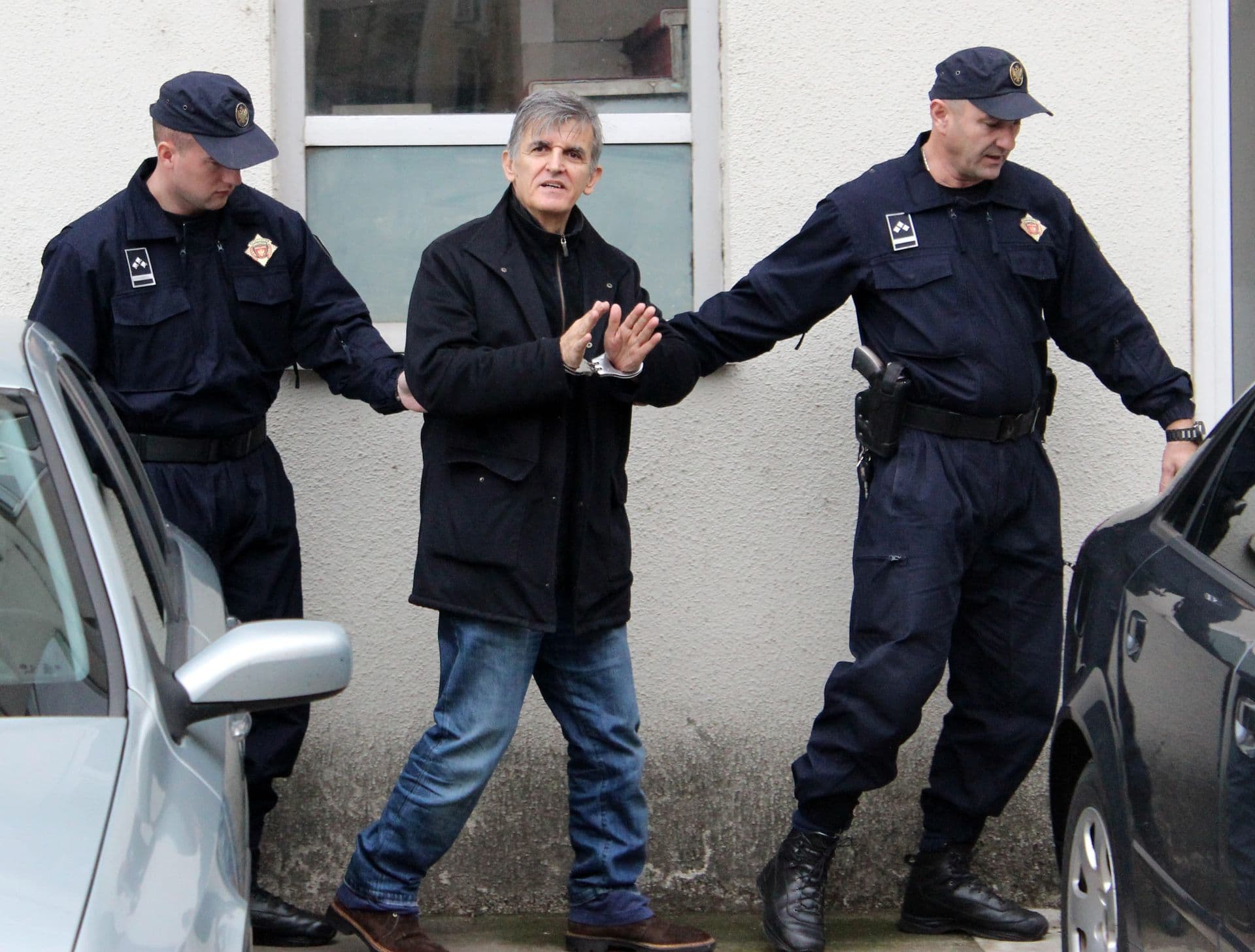
The ongoing political dynamics between Serbia and Montenegro have come to the forefront as the Serbian government, led by President Aleksandar Vucic, continues to protect former Montenegrin politician Svetozar Marovic from extradition. Experts suggest that this decision is rooted in a broader strategy of influence, echoing tactics employed by Russia in various global contexts.
Legal expert Chédomir Stojkovic commented on Marovic’s situation in an interview, stating, “It does not surprise me that Marovic has not been extradited. This reflects the political methodology of exerting influence over other nations, similar to the approach taken by Russia.” Stojkovic emphasized that Serbia has consistently sought to meddle in Montenegrin affairs, aiming to dominate key events in the country.
Marovic, a former president of the Montenegrin parliament and a significant figure in the political elite, remains a valuable asset for Serbia. Stojkovic noted that Marovic’s connections within Montenegro allow him to serve as a conduit for political and intelligence influence, reinforcing the notion that he is a resource for Vucic’s administration.
The legal implications of this situation are complex. Montenegro has submitted seven requests to the Serbian Ministry of Justice for Marovic’s extradition, yet the lack of action suggests an intricate political calculation. Stojkovic pointed out that the failure to process these requests could indicate potential misconduct within the Serbian legal system.
Political Influence and Regional Dynamics
Stojkovic elaborated on Marovic’s ongoing political relevance, asserting that his influence remains multifaceted. “Marovic possesses political power, not just in the public sphere but also through lobbying and information gathering,” he explained. This includes connections with various political figures and access to sensitive information.
The political landscape is further complicated by Montenegro’s aspirations to join the European Union (EU) and North Atlantic Treaty Organization (NATO), movements that could significantly alter the balance of power in the region. According to Stojkovic, Montenegro’s NATO membership has already diminished Serbia’s capacity to exert influence, which would be even more pronounced if Montenegro successfully joins the EU.
Stojkovic also expressed concerns about Serbia’s approach to regional politics, likening it to Russia’s strategy. “The current regime in Serbia mirrors the operational style of the Russian Federation. There is a consistent disregard for human rights and democratic principles,” he stated. He noted that the geopolitical climate of the Balkans today is markedly different from the 1990s, suggesting that Serbia’s actions are more restrained due to its NATO surroundings.
Legal and Diplomatic Implications
The complexities of extradition law further muddy the waters of this dispute. Montenegro could engage legal representation in Serbia to navigate the extradition process more effectively. Stojkovic indicated that if the Higher Court in Serbia has not made decisions regarding the extradition, it could highlight failures within the justice system, whether from the Ministry of Justice or the courts themselves.
The ongoing situation raises questions about the reciprocal nature of extradition laws. Montenegro has the potential to deny extradition requests from Serbia as long as Serbia continues to protect Marovic. This tit-for-tat dynamic underscores the fragile relationship between the two nations.
As Montenegro continues to pursue EU integration, the international community will be watching closely. The developments surrounding Svetozar Marovic may serve as a litmus test for the evolving political landscape in the Balkans and the broader implications for regional stability.