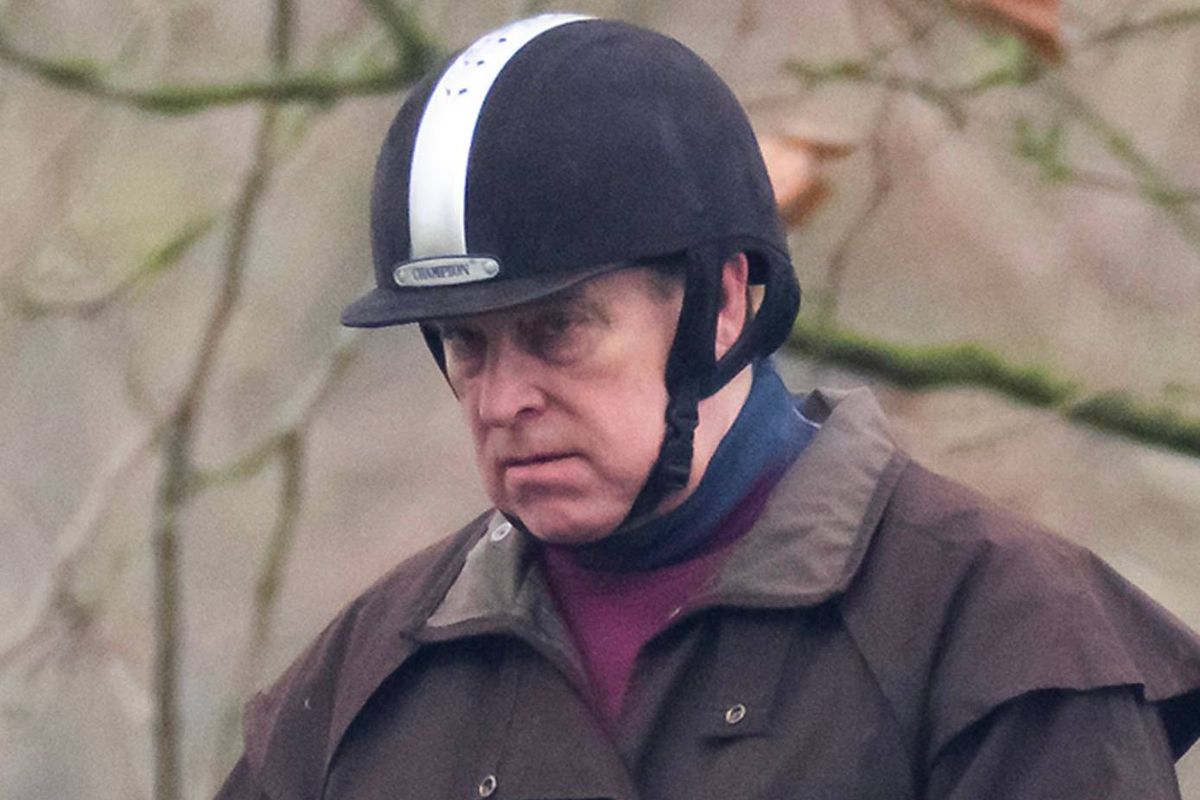
Prince Andrew has moved from his former residence at Royal Lodge to Marsh Farm on the Sandringham Estate, following renewed scrutiny over his connections to convicted sex offender Jeffrey Epstein. This shift comes as the Royal Family seeks to distance itself from Andrew’s controversial past, particularly as new information continues to surface regarding his relationship with Epstein.
The relocation is seen as a significant step taken by King Charles, illustrating a firm stance that diverges from the more protective approach of the late Queen Elizabeth II. Andrew has relinquished his royal titles and now lives as a private citizen, consistently denying any wrongdoing related to his friendship with Epstein.
Marsh Farm, located in the hamlet of Wolferton, approximately seven miles from King’s Lynn, presents a stark contrast to the opulence of Royal Lodge. This modest farmhouse, which Andrew has accepted reluctantly, offers a level of isolation that is fitting for his current status. While Wolferton is steeped in royal history, it lacks the charm that one might associate with a traditional village, with no train service operating since the 1960s and little activity beyond the expansive Sandringham Estate.
As visitors flock to the estate each Christmas to witness royal festivities, Andrew’s presence raises questions about the impact on the local community and the holiday spirit. The estate attracts tourists eager to glimpse the Royal Family during their annual church service at the historic St Mary Magdalene Church, where the grave of the “Lost Prince,” Prince John, can also be found.
The atmosphere surrounding Andrew’s new home is charged, with a palpable tension reflecting the ongoing controversy. A local resident, Chris Thompson, remarked, “I would have thought King Charles is supporting him with his bills, but it’s a bit bleak out there.” The community’s sentiment appears mixed as they navigate the balance between royal history and the implications of Andrew’s past.
Upon arrival at Marsh Farm, the property, which includes outbuildings, was less imposing than expected for someone of Andrew’s stature. The residence bears more resemblance to a middle-class home than a royal estate. Despite the picturesque setting, the garden showed signs of neglect, and the damp earth’s aroma was striking.
Preparations for Andrew’s new chapter are underway, with reports indicating the installation of enhanced security measures. Marsh Farm is situated on a flood plain, raising concerns about safety and necessitating precautions against potential water surges. Renovations are expected to be completed by April, with significant work required to ensure both Andrew’s security and comfort.
Sources close to Andrew have revealed his dissatisfaction with the move, noting that he is “appalled” by the prospect of living in a five-bedroom residence after a lifetime of privilege. This comes on the heels of alarming revelations from emails released by the US Department of Justice, which suggest Andrew shared details of official visits with Epstein. In light of these developments, the anti-monarchy group Republic has filed a police report, which has been acknowledged by the Thames Valley Police, stating they are assessing the information in accordance with established procedures.
Buckingham Palace has expressed concern over the allegations against Andrew, with a spokesperson indicating that King Charles is prepared to support any police inquiries into the matter. This sentiment was echoed by Prince Edward, who highlighted the importance of remembering the victims in light of the ongoing revelations.
Andrew’s transition to life at Marsh Farm encapsulates a broader narrative of a royal family grappling with the repercussions of past actions. As he embarks on this new chapter in relative exile, the implications of his associations continue to cast a long shadow over both his personal life and the British monarchy.