Heavy rainfall in early January has raised concerns about the water supply in Podgorica, Montenegro. While city officials report that the water meets health standards, a multi-day ban on its use during the storms has intensified discussions regarding the safety of the Mareza water source.
Aleksandar Nišavić, director of the Public Utility Water Supply and Sewage Company, confirmed that the water distributed through the city’s system is regularly tested and adheres to all health criteria. These assessments are conducted through physical-chemical and microbiological analyses at a laboratory operated by the utility company.
“We continuously monitor the water quality based on risk assessments of potential contamination,” Nišavić stated, noting that the Institute of Public Health of Montenegro conducts parallel health assessments. He also emphasized that the maintenance of the water sources is a priority, with daily inspections ensuring cleanliness and compliance with hygiene standards.
Despite these assurances, concerns linger over the impact of aging water pipes on overall water quality. Nišavić acknowledged that while some sections of the network are outdated, efforts to modernize the infrastructure are underway. “The replacement process is gradual, and new pipes meet all current standards, aligning with European Union directives regarding materials in contact with drinking water,” he explained.
During the intense rainfall earlier this month, water quality in Podgorica was compromised for several days, prompting the utility to advise residents to boil water or use safe alternatives in various neighborhoods, including Mareza, Tološe, and parts of Preko Morače. The advisory specifically cautioned vulnerable groups such as children, pregnant women, and the elderly.
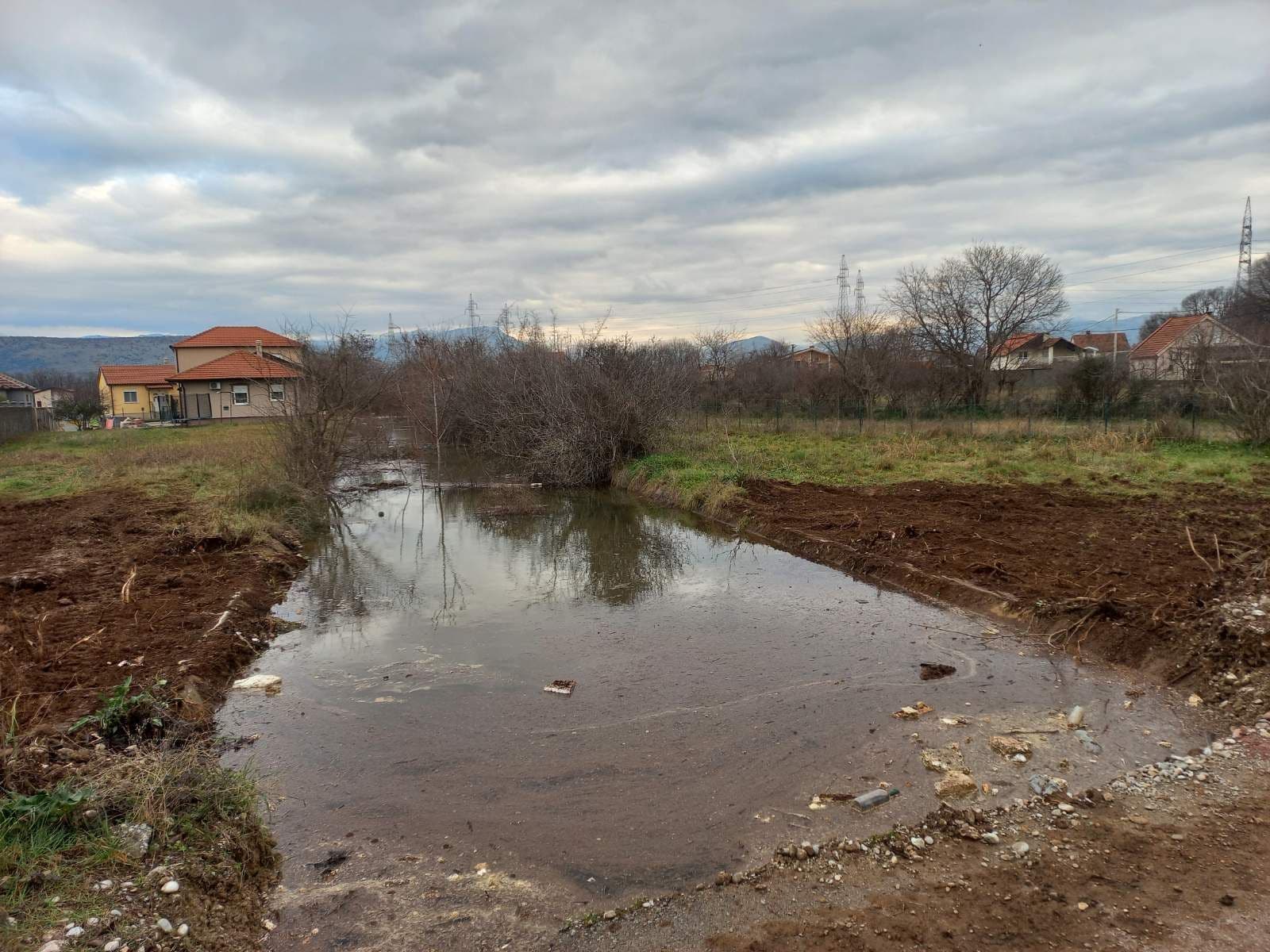
The city administration has highlighted that the Mareza canal poses a significant risk to the water supply system. Boris Spalević, Deputy Mayor of Podgorica, pointed out that the canal’s blockage during the heavy rains led to the overflow of the Trešanica River, threatening agricultural land, infrastructure, and most critically, the Mareza water source.
“Regular cleaning and maintenance of the canal are legal obligations and crucial for public health,” Spalević noted. He criticized the historical neglect of the canal, attributing its current state to decades of inaction by previous administrations.
In response to ongoing concerns, last year marked the beginning of a cleaning initiative that addressed approximately 300 meters of the canal. This effort is expected to continue, with plans to complete the cleaning of the entire 8,500-meter stretch by 2026.
The city administration has also announced enhanced scrutiny over the issuance of water permits to prevent illegal activities that could endanger the canal and water source. Spalević assured the public, “We do not shy away from responsibility. We inherited a canal that has not been maintained for decades, but we are the first to initiate systematic cleaning. This work will be completed.” He warned that any further delays would pose a direct threat to Podgorica’s water supply, stressing that such practices will no longer be tolerated by the city administration.