The rise of “mushroomcore” is transforming high street fashion and homeware, as the once niche interest in mushrooms expands into the mainstream. From Brighton homeware shops to high-end fashion collections, mushrooms are now prominently featured on a variety of products, marking a cultural shift that has taken the humble fungus from underground hippy culture to a widely embraced motif.
Mushroomcore is not limited to quirky seaside stores. High-profile brands like Bella Hadid’s collections, as well as retailers such as Fiorucci and Hollister, are also integrating mushroom designs. The appeal spans a broad spectrum, with items ranging from £10 disco balls at Primark to luxurious £725 lamps by Nicholas Pourfard.
Journalist Ella Glover, who specializes in culture and drugs, notes that mushrooms have shifted in symbolism. “A few years ago, if you saw a mushroom on someone’s tee, you’d assume they were into tripping, alternative medicine, or folkloric culture. Now, it’s just mainstream,” Glover says. This transformation has coincided with increasing interest in the health benefits of mushrooms, particularly the psychoactive compound psilocybin found in magic mushrooms.
Books like Michael Pollan’s 2018 publication, How to Change Your Mind, which was adapted into a Netflix series, and the 2019 documentary Fantastic Fungi, have spotlighted the ecological and therapeutic potential of mushrooms. These works highlight their role in connecting plants and trees, decomposing organic matter, and recycling essential nutrients such as carbon and nitrogen back into the soil.
The growing acceptance of mushrooms is also influenced by prominent figures like Joe Rogan, who has openly discussed his use of magic mushrooms. Glover attributes part of the cultural shift to what she describes as the “Rogan effect.”
In the commercial sector, companies like Fat Fox Mushrooms, founded by Lex Truax and Ben Blackwell, are riding the wave of growing consumer interest. Truax has noted a significant change in the perception of mushrooms at her workshops. “Two or three years ago, most people hadn’t even heard of Lion’s Mane supplements. Now, half the attendees are familiar with them,” she states.
Mushrooms are becoming commonplace in various sectors, from health food shops like Holland & Barrett to upscale gyms like Vita Boutique in Sloane Square, which serves mushroom-infused beverages alongside traditional smoothies. Restaurants such as Fallow on Haymarket are also embracing this trend, offering dishes featuring homegrown varieties like Lion’s Mane and ‘hen of the wood’ mushrooms.
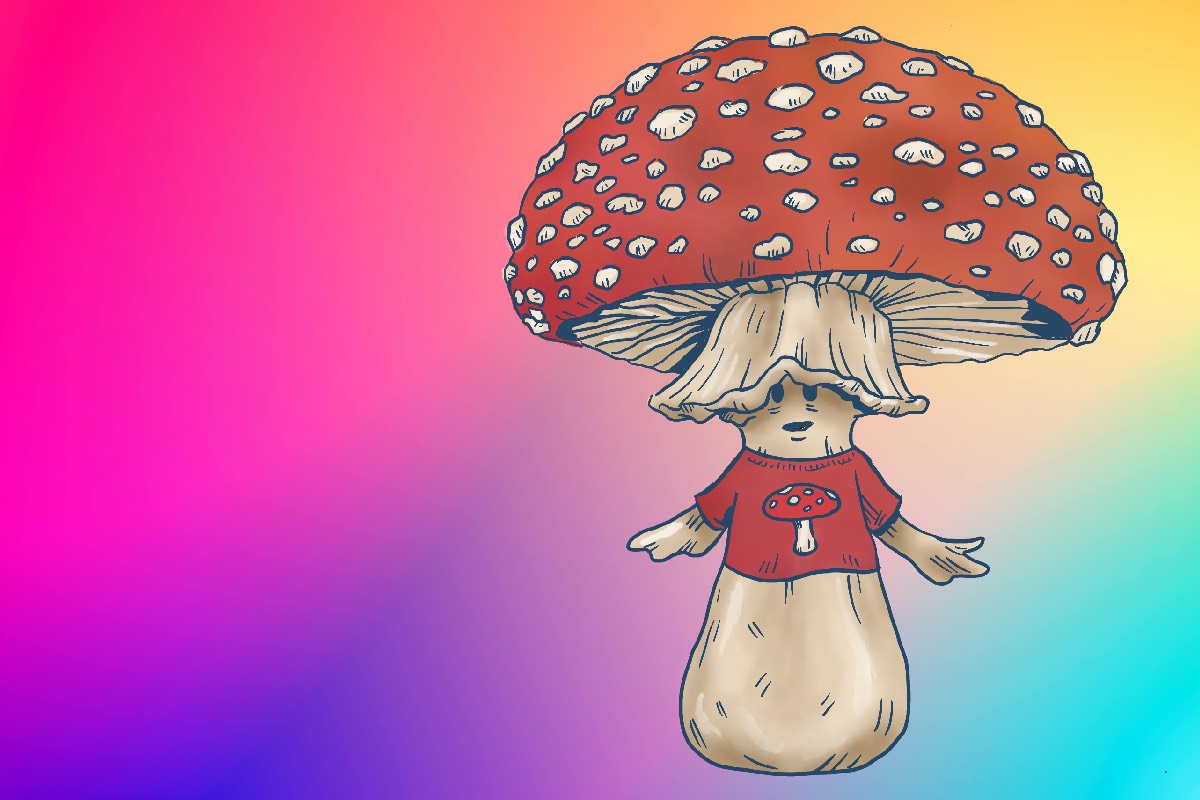
Despite the rising popularity, some fungi, particularly the fly agaric mushroom, known for its striking red and white appearance, are falling out of favor due to their neurotoxic properties. Truax remarks, “It was the only mushroom emoji for a long time. But things have changed.”
The functional mushroom market is expected to experience substantial growth, projected to increase from approximately £795 million in 2023 to £1.68 billion globally by 2030. Mushrooms are marketed as remedies for various health issues, including anxiety and ADHD, and are available in forms like drops, teas, and capsules.
As consumer interest in mushroomcore continues to flourish, it is likely to become a dominant theme in holiday shopping this year. From John Lewis carrying baby clothes adorned with mushroom motifs to a variety of other products, the mushroom trend is set to permeate everyday life.