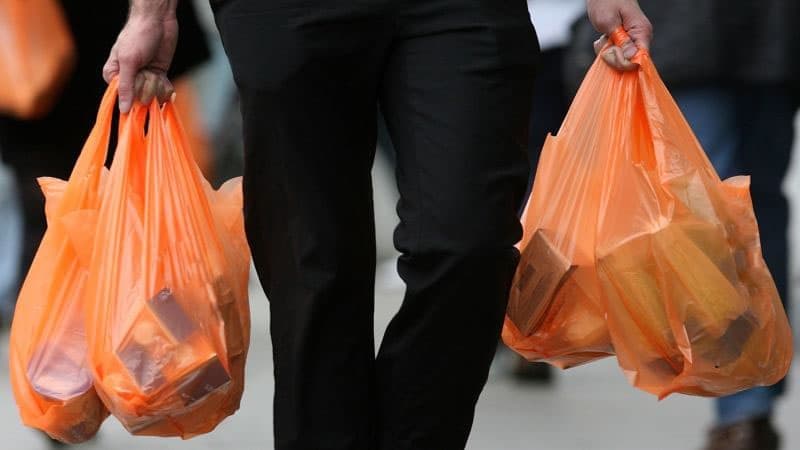
The government of Montenegro has enacted a regulation imposing a fee of €0.05 for lightweight plastic bags thicker than 50 microns. This decision, announced by the Ministry of Ecology, Sustainable Development and Tourism, aims to strengthen the management of plastic waste in the country.
According to the ministry, the regulation stipulates that retailers are required to report the quantity of plastic bags sold each month. This report must be submitted to the Agency for Environmental Protection by the fifth day of each month. The fees collected will be calculated based on these reports and must be transferred to a designated account within 15 days after the issuance of the relevant administrative decision.
Damjan Ćulafić, the Minister of Ecology, noted that this regulation aligns with the Waste Management Act, which banned the use of plastic bags between 15 and 50 microns in thickness starting on October 20, 2022. He reported that the previous measures have already shown promising outcomes, with a remarkable 72% reduction in plastic bags found in landfills, and a 50% decrease in sales within retail chains.
Minister Ćulafić highlighted the impact of ongoing public awareness campaigns aimed at reducing single-use plastic consumption. As part of these initiatives, the ministry distributed 10,000 biodegradable bags to promote more sustainable alternatives among consumers.
Previously, retailers paid a fee of €0.03 for plastic bags thicker than 50 microns. Funds collected through this fee were directed to the Environmental Protection Fund and will now contribute to educational activities and campaigns focused on raising public awareness about the importance of minimizing plastic waste.
The introduction of this regulation is part of a broader, consistent policy aimed at reducing plastic bag usage in Montenegro. Minister Ćulafić emphasized that these efforts, which include the ban on thinner plastic bags and the establishment of a comprehensive waste management framework, are yielding measurable results in tackling the long-standing issue of plastic waste.
He expressed encouragement over the increasing awareness among citizens, noting a noticeable shift towards reusable bags, particularly among younger populations. This change reflects an evolving consumer culture that prioritizes sustainability.
As Montenegro continues to implement these measures, the government remains committed to fostering a cleaner environment and promoting responsible consumption practices. With each step taken, the country strives to build a more sustainable future.