Montenegro is under pressure to comply with European Union regulations regarding the management of animal byproducts not intended for human consumption. The government must submit an updated management plan to the European Commission by December 31, 2025. Additionally, local authorities are required to establish temporary animal cemeteries or burial pits by May 1, 2026, to safely dispose of this waste. Failure to meet these deadlines may jeopardize the temporary closure of Chapter 12, which concerns food safety, veterinary, and phytosanitary measures, as stated by the Ministry of Agriculture, Forestry and Water Management.
Animal byproducts arise from various sources, including slaughterhouses, meat and dairy processing facilities, expired goods in stores, restaurants, farms, and wildlife. They can also result from measures aimed at controlling infectious animal diseases. Despite existing EU regulations, current disposal practices in Montenegro are inadequate. Waste collected from production sites is improperly managed, often ending up at municipal landfills without proper segregation or identification, posing significant risks during outbreaks of infectious diseases.
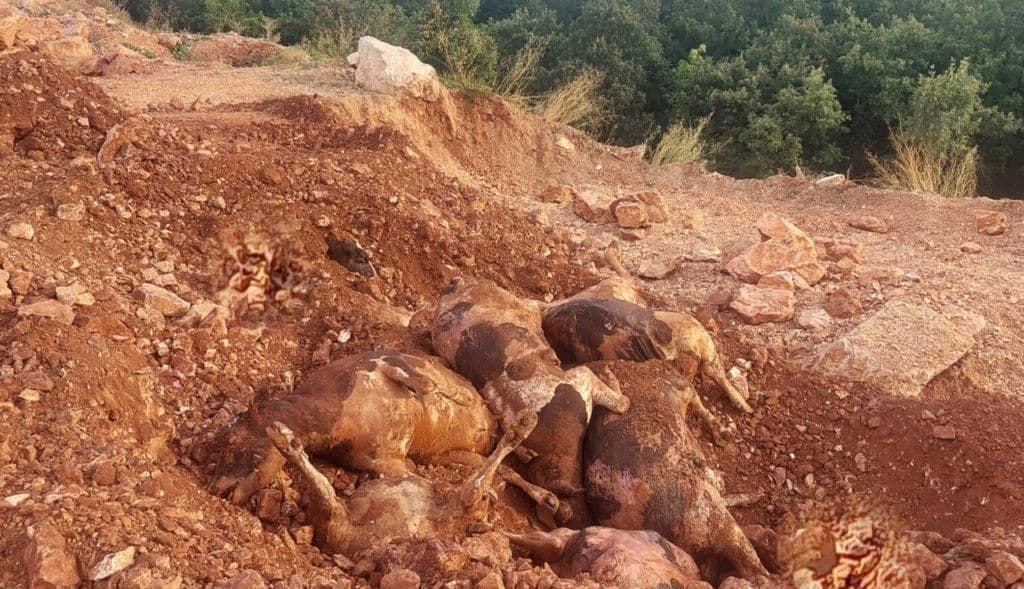
Last year, the situation escalated when hundreds of cattle infected with Q fever in Danilovgrad and Nikšić were euthanized, but the municipalities lacked designated sites for carcass disposal, leading to prolonged delays on farms.
In response to these challenges, the government initiated a management plan for animal byproducts in 2018, which included an action plan. From February 2020 to July 2021, the MIDAS 2 project provided technical assistance to develop a business plan confirming the need for a processing facility with a capacity of 8,000 to 10,000 tons per year. This facility is essential for aligning with EU standards, crucial for controlling animal diseases, protecting public health, and safeguarding the environment. The estimated total cost for this project, which includes design, environmental impact studies, and project oversight, is approximately €6.9 million.
In addition to the processing facility, the plan also encompasses the construction of two collection centers in Nikšić and Podgorica, as well as the procurement of vehicles and equipment, amounting to an additional €3 million. Funding has been secured through a loan from the World Bank, which approved an extension of the project until the end of June 2025 to allow for the construction of the facility. The anticipated timeline for the design and construction phases is estimated at 36 months, prompting a request for a further 24-month extension to the MIDAS 2 project in April 2023.
A significant delay in project implementation arose due to the absence of a designated site for the processing facility. In December 2021, the government announced plans to establish the facility in Bijelo Polje at the Čelinska Kosa location by the end of 2024. However, in January 2022, residents of the local community Ravna Rijeka submitted a request to the Ministry of Ecology, Spatial Planning, and Urbanism to reconsider the proposed site for the regional waste center.
Given the uncertainty surrounding the construction of this center and the tight timelines for the MIDAS 2 project, the establishment of the animal byproduct processing facility is increasingly at risk. In February 2023, the Ministry of Agriculture reached out to nine municipalities—Podgorica, Nikšić, Danilovgrad, Tuzi, Kolašin, Mojkovac, Berane, Pljevlja, and Bijelo Polje—requesting potential site allocations. The municipality of Nikšić responded positively, and in March 2024, its assembly approved the Ministry’s request, transferring management rights over a parcel in the Grčanica Industrial Zone to the state. This action created the legal groundwork for changing the facility’s location and advancing project activities, including environmental impact studies and project planning.
Despite these developments, the local community expressed opposition to the facility’s construction, stating they would take drastic measures if their concerns were not addressed.
The Ministry of Agriculture emphasizes that the updated plan, which must be submitted to the European Commission by the year’s end, should include interim solutions for managing animal byproducts until the facility is operational. According to current veterinary law, local governments are responsible for designating areas for animal cemeteries, a task they have yet to fulfill.
In the absence of an immediate solution, local authorities must construct animal cemeteries or burial pits to ensure the safe disposal of animal byproducts. These sites must comply with regulations concerning hygiene, veterinary health, and other requirements for the management or disposal of animal byproducts. Upon completion, these facilities will be registered with the Food Safety, Veterinary, and Phytosanitary Affairs Directorate.