U.S. Immigration and Customs Enforcement (ICE) has begun releasing immigrant families from detention, a notable departure from a previous policy that promised “zero releases.” This shift has generated mixed feelings of relief and anxiety among families who have spent weeks in custody. Reports indicate that parents and children have been arriving at shelters in Laredo, Texas, following their release from the South Texas Family Residential Center in Dilley.
Starting on January 17, 2026, approximately 160 individuals, half of whom are minors, have been released from detention. Advocates and faith workers at local shelters have confirmed the influx of these families, highlighting the complex emotional landscape they face. While the release brings immediate relief, many families are left grappling with uncertainty regarding their future legal status.
The backdrop to this development is a long-standing policy, particularly under the previous administration, that emphasized strict immigration enforcement, including limits on discretionary releases. The recent actions by ICE appear to diverge from this approach, although the motivations for this change remain unclear. Previously, during late 2025 and early 2026, ICE maintained a policy of holding families without the option of discretionary release, compelling many to seek bond or custody solely through immigration courts.
The Flores Settlement Agreement, which restricts the detention of children for more than 20 days, has prompted detention centers to reevaluate how they manage family units. Many released parents reported being held for several weeks or even longer while attending mandatory immigration court hearings with their children. One volunteer at a shelter noted that the families have “strong family and community ties” that they wish to return to, emphasizing the disruption that detention has caused to their lives.
As families reintegrate into their communities, they face the daunting task of navigating a complicated immigration system. Although they are being released to shelters or sponsors, many are uncertain about future court dates, work opportunities, and their children’s schooling. Some parents have been fitted with ankle monitors, a practice that has been used in previous administrations, allowing families to remain in the community while awaiting court appearances.
This policy reversal has ignited discussions among immigration advocates. Some view it as a sign of the rule of law functioning under child protection requirements. Others express concerns about the opacity of the decision-making process. A representative from a shelter remarked, “My best hope is that there are officials in detention centers that are serving their better angels,” underscoring the tension between stringent enforcement and humane treatment.
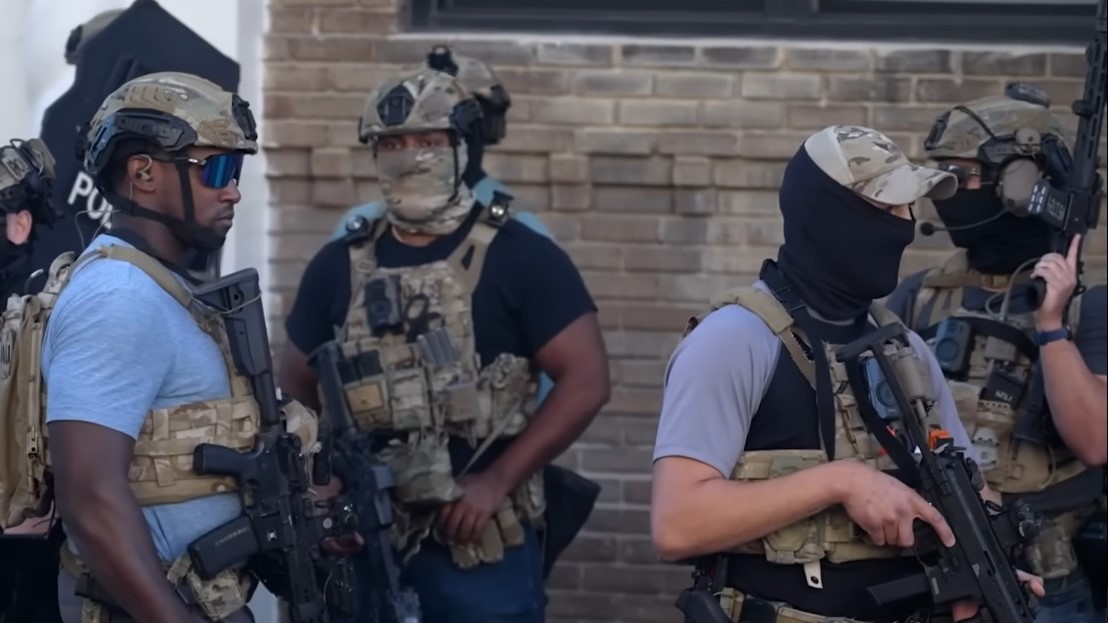
Critics of the current administration’s immigration policies point to the sharp increase in detention numbers, which reached approximately 69,000 individuals by early January 2026. This figure is nearly double the number from the start of the previous year, coinciding with intensified national immigration efforts such as Operation Metro Surge in Minneapolis, which has led to widespread arrests and heightened fear within immigrant communities.
The transition from a strict “no releases” policy to limited family releases raises questions about the consistency and objectives of ICE’s approach. Legal experts and advocates contend that it highlights the practical challenges of detaining families while adhering to child safety regulations. For those families released, life outside detention is a mix of relief and uncertainty. They are eager to reconnect with extended family, secure stable housing, and find employment, yet they remain burdened by the specter of ongoing immigration court proceedings and shifting policies.
As the legal battles and policy discussions continue, the human cost remains at the forefront: the anxiety, trauma, and hope of families navigating the complexities of the U.S. immigration system. The unfolding situation paints a poignant picture of disrupted lives and the ongoing struggle for stability and security.