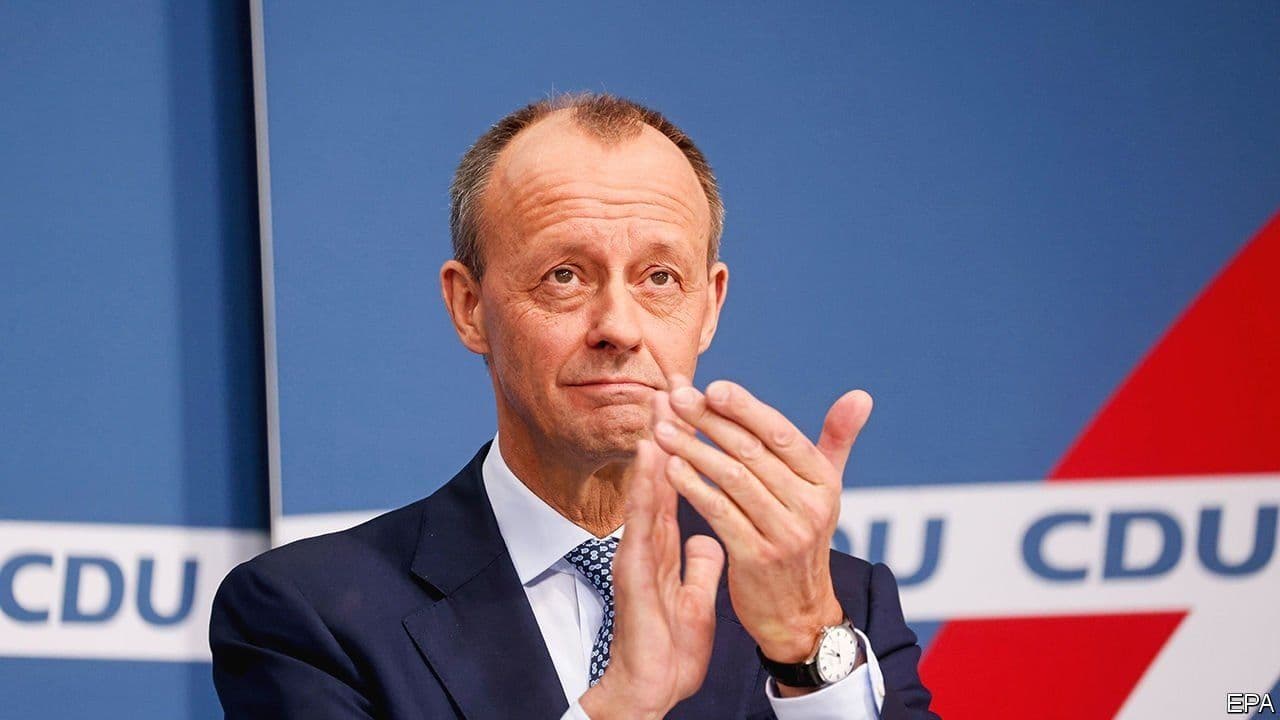
Germany’s Chancellor, Friedrich Merz, announced significant progress for Montenegro in its bid for European Union membership. Speaking at a press conference in Berlin, Merz highlighted Montenegro’s advancement as a candidate country, asserting that the nation could soon begin drafting a membership agreement. He emphasized that Montenegro’s EU membership serves Germany’s interests, stating, “The closer we are connected, the better we can act together in Europe,” particularly regarding the critical issue of illegal migration.
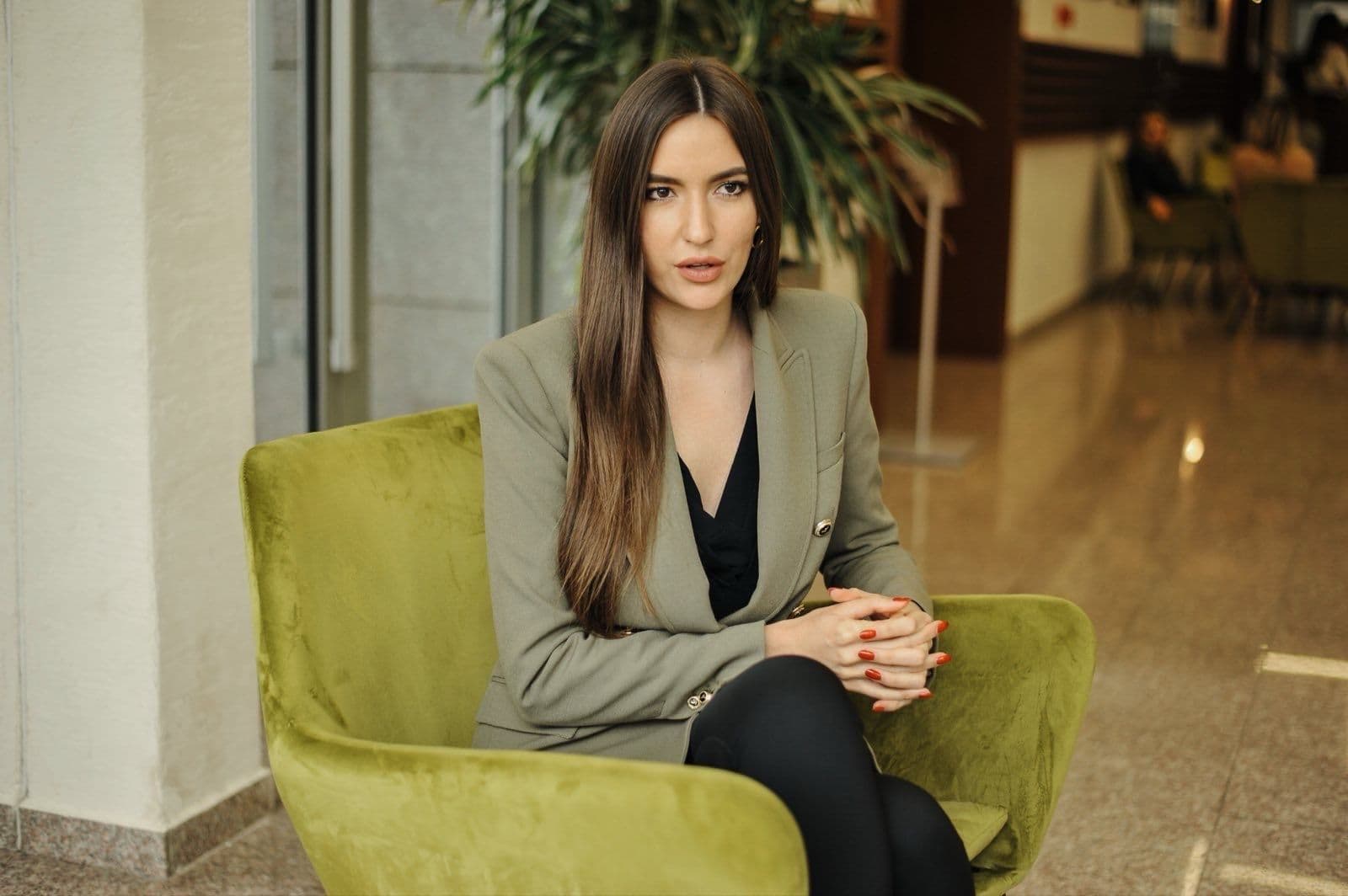
This statement comes at a time when Europe faces a pressing geopolitical landscape, characterized by a divided America and an aggressive Russia. According to political consultant Aleksandar Mušić, Europe recognizes the urgency of the situation and the necessity for immediate action. Mušić remarked that the continent is aware it can no longer afford the deliberation of the past decades. He noted the importance of quickly accepting new member states that meet even the minimum criteria for membership.
Mušić also pointed out the internal competition for leadership within Europe, specifically contrasting Merz’s assertive approach with that of French President Emmanuel Macron. He indicated that Germany’s recent distancing from Serbian President Aleksandar Vučić has implications for Montenegro, suggesting that the nation is now viewed more favorably in discussions of EU enlargement.
Ambassador Željko Perović described Merz’s announcement as one of the most significant developments for Montenegro since the commencement of its negotiations with Brussels. He explained that this encouragement from Germany is crucial for Montenegrin decision-makers, including Prime Minister Milojko Spajić. Perović cautioned that the message serves as a reminder for the Montenegrin government to address elements within its ruling coalition that may hinder progress toward EU accession.
The path to EU membership for Montenegro, according to Perović, relies heavily on implementing reforms and adopting European standards. While acknowledging that the political atmosphere may have shifted, he noted that merit-based membership remains the predominant approach in EU enlargement policies. Nevertheless, he advised that Montenegro should remain focused on its objectives without being overly influenced by the prevailing attitudes.
Although Chancellor Merz’s message is a positive development for Montenegro, Mušić emphasized the need for realism regarding the implications of EU membership. He warned that joining the EU will not resolve the country’s entrenched internal political issues, such as economic instability and ideological divisions. “Montenegro must tackle these challenges independently, as they will not be resolved simply by accession,” he stated.
Mušić further cautioned that delaying efforts to address these internal problems could exacerbate the situation, especially with the potential for centrifugal forces at play within the state.
The European Union Accession Treaty functions as a critical document for candidate countries. It allows nations to participate as active observers in the Council of the European Union and the European Parliament before full membership. The drafting of this agreement typically involves representatives from the candidate state, member countries, and EU institutions, and it follows the successful closure of negotiations across all relevant chapters.
The completion of these negotiations is integral to the treaty’s provisions, which are then reviewed by EU institutions and the candidate country. Before the signing of the treaty, the European Commission must provide a final opinion on the membership application, and the European Parliament must give its consent. Ultimately, the Council of the EU makes a unanimous decision on accepting the new member state, with the treaty coming into effect following ratification by the parliaments of all member states and the candidate country.
As Montenegro moves forward in its EU aspirations, the spotlight remains on how effectively it can navigate the complex political landscape both domestically and within the broader European context.