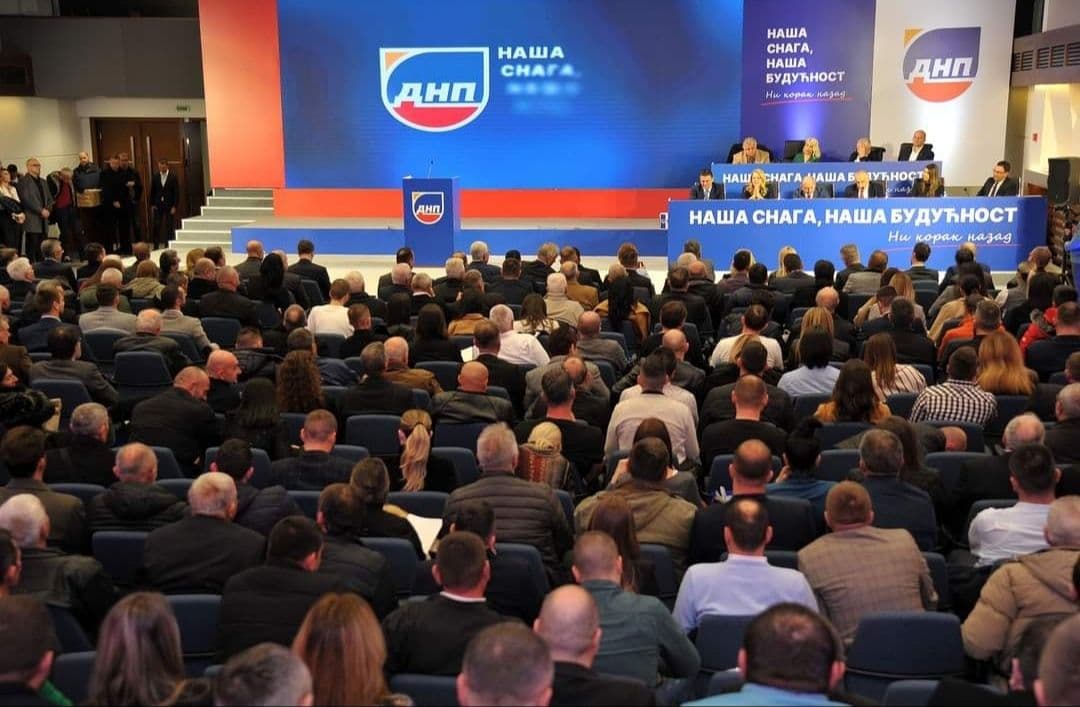
The Democratic People’s Party (DNP) has announced a unified push to intensify efforts regarding the status of the Serbian language and dual citizenship. This decision emerged from a meeting of the party’s Presidency held on [insert date], where officials agreed on the necessity of amending the Citizenship Law.
During the session, the DNP underscored the importance of initiating a national dialogue on these issues in the first quarter of 2024. The party emphasized that statements made by key figures, including Vice President Milun Zogović and members of parliament Jelena Kljajević and Dragan Bojović, should serve as a foundation for this dialogue. They contend that constitutional amendments are not a threat to the state but rather essential for stabilizing social and political conditions in light of the upcoming European challenges.
Call for Institutional Support and Collaboration
The DNP insists that any proposed constitutional changes should originate from the government to ensure that such decisions carry institutional weight and can be effectively passed in the Assembly. The party stated:
“It is time for all key political actors to transition from verbal readiness to demonstrating concrete actions, responsibility, and a commitment to halting the further discrimination of the linguistic majority,”
This statement reflects the party’s position that these amendments are crucial for fostering an inclusive environment for the Serbian-speaking population.
Moreover, the DNP has committed to contributing fully to these efforts, aligning with its declared ideological and political objectives. The party views this initiative as a significant step towards addressing the needs of citizens who identify with the Serbian language and aspire for dual citizenship.
As discussions progress, the DNP aims to galvanize support from various stakeholders to ensure that these legislative changes gain the necessary traction. The party’s leadership has expressed optimism that a collaborative approach will lead to meaningful advancements in these areas, ultimately benefiting the broader community.
The DNP’s proactive stance highlights a growing recognition of the importance of cultural and linguistic identities in shaping national policy, particularly as the country navigates its path towards greater integration with European standards.