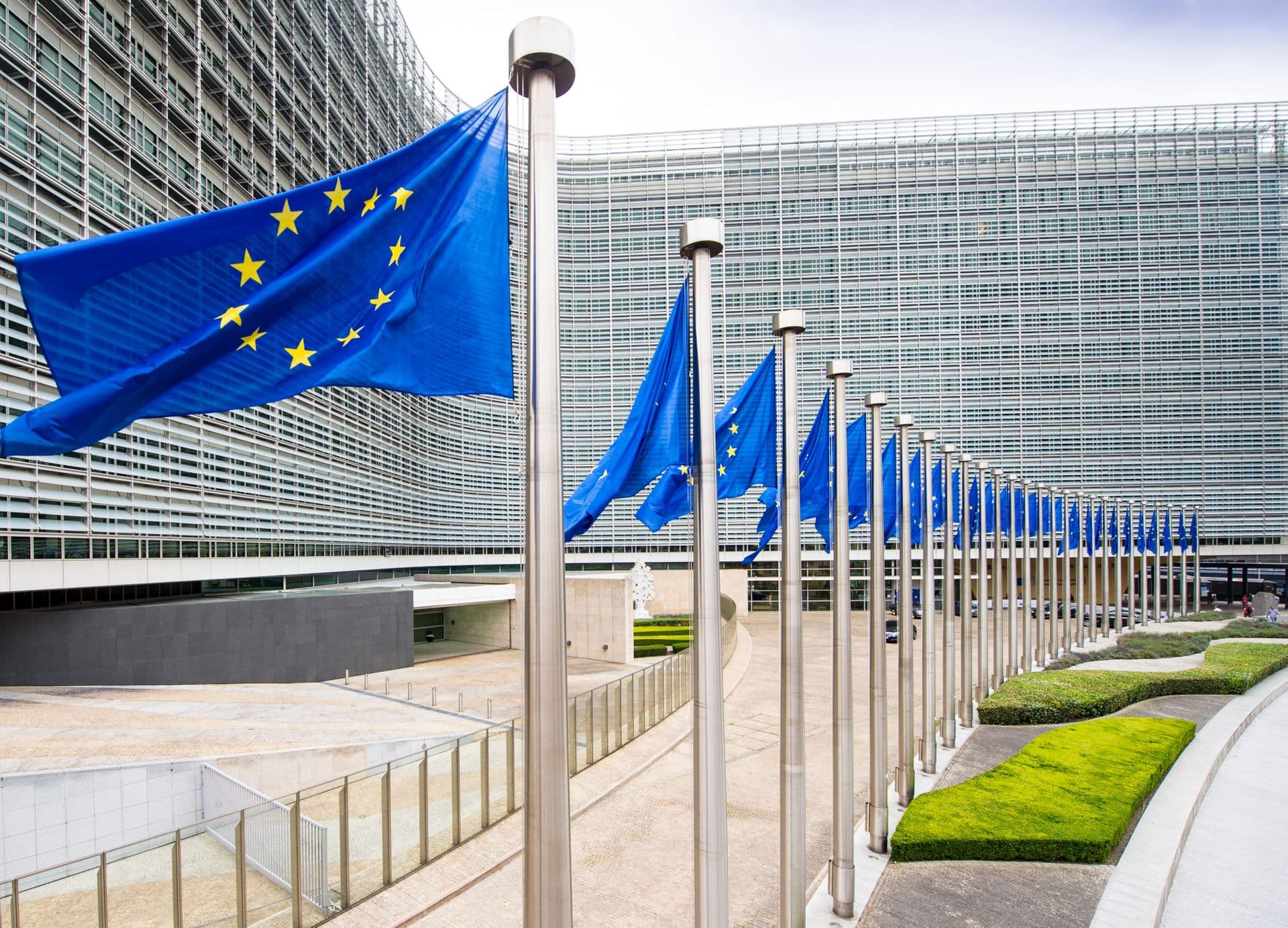
When Croatia joined the European Union as a full member on July 1, 2013, it did so under a set of unique transitional regulations that distinguished its entry from that of other member states. These provisions were crafted to ease Croatia’s integration into the EU framework, allowing for a gradual adjustment period that recognized the complexities of its accession.
The official accession agreement outlined numerous temporary exemptions and transitional measures, which are detailed in the Act on the Conditions of Croatia’s Accession. This comprehensive document includes 55 members, nine annexes, and various protocols, establishing the legal foundation for Croatia’s integration process. It also specified the political alignment and harmonization of Croatian laws with existing EU regulations.
As Montenegro approaches its potential EU accession, understanding Croatia’s unique experience sheds light on the types of arrangements that might apply to future members. Croatia’s accession was not merely a formality; it had significant legal implications for the EU itself. The agreements necessitated amendments to existing treaties, including the Treaty on European Union, the Treaty on the Functioning of the European Union, and the Treaty establishing the European Atomic Energy Community.
Croatia faced several obligations upon joining, including the acceptance of all previously established EU decisions and international agreements made by the Union. Additionally, it was required to withdraw from all free trade agreements with third countries that did not align with EU law.
The transitional measures applied during Croatia’s entry were particularly important in areas like the Schengen Zone. Although Croatia was expected to implement all provisions related to this zone immediately upon accession, the final decision on lifting border controls between member states rested with the EU Council after a thorough evaluation.
In the European Parliament, Croatia initially received an increased number of seats, with these additional mandates activated from 2013 until late 2014. Similar provisions were established for its representation in the European Commission. Voting rules within the EU Council were also adapted specifically for Croatia’s initial mandate period.
During the first three years of its membership, Croatia was subject to a temporary enhanced monitoring system by the European Commission. This oversight aimed to ensure compliance with commitments made during accession negotiations, particularly in critical areas such as the judiciary, fundamental rights, anti-corruption measures, market competition, and border management.
Economically, Croatia was classified as a “member state with derogation” since it did not immediately adopt the euro. Its financial obligations were temporally limited, allowing for a gradual integration into the EU financial system. For instance, Croatia had a five-year period to contribute approximately €450 million towards the capital of the European Investment Bank, with specific timelines for other financial commitments.
The EU’s financial support peaked in the first year following Croatia’s accession, subsequently decreasing significantly in the following years. However, Croatia gained access to the Cohesion Fund and other essential funding sources, which began to increase gradually from 2013, benefiting sectors like fisheries and rural development.
Transitional provisions in accompanying documents enabled Croatia to align its legal frameworks with EU law gradually, with a timeframe extending up to seven years under European Commission supervision. This alignment covered various critical sectors, including pharmaceuticals, labor regulations, agricultural land ownership, wine and olive oil labeling, sugar imports, and more.
Significantly, Croatia also benefited from protective clauses, which allowed the EU to implement temporary measures in cases of serious market disruptions or non-compliance with obligations. These clauses were in effect for three years, after which Croatia’s membership would become fully irrevocable.
The EU institutions emphasized that these mechanisms were designed to facilitate a stable and controlled integration of Croatia into the legal, institutional, and financial systems of the EU. As Croatia navigated these complexities, it preserved both legal certainty and the functionality of the economic and political union.
Looking ahead, Montenegro may face a similar path regarding its future EU membership, potentially involving extended periods of negotiation and adaptation. Given the current dynamics within the EU, it is likely that additional measures will be introduced to address concerns from member states opposed to further enlargement.
Among the commitments outlined in the accession agreement, Croatia pledged to continue implementing its Judicial Reform Strategy and Action Plan, strengthening the independence and professionalism of its judiciary. It also emphasized ongoing efforts to combat corruption at all levels, particularly in sensitive sectors such as public procurement.
Additionally, Croatia committed to enhancing protections for national minorities, adhering to the Constitutional Law on Minority Rights, addressing refugee return issues, and ensuring full cooperation with the International Criminal Tribunal for the former Yugoslavia.
As Croatia’s experience illustrates, future candidates for EU membership, like Montenegro, will likely need to address similar challenges long after their formal accession.