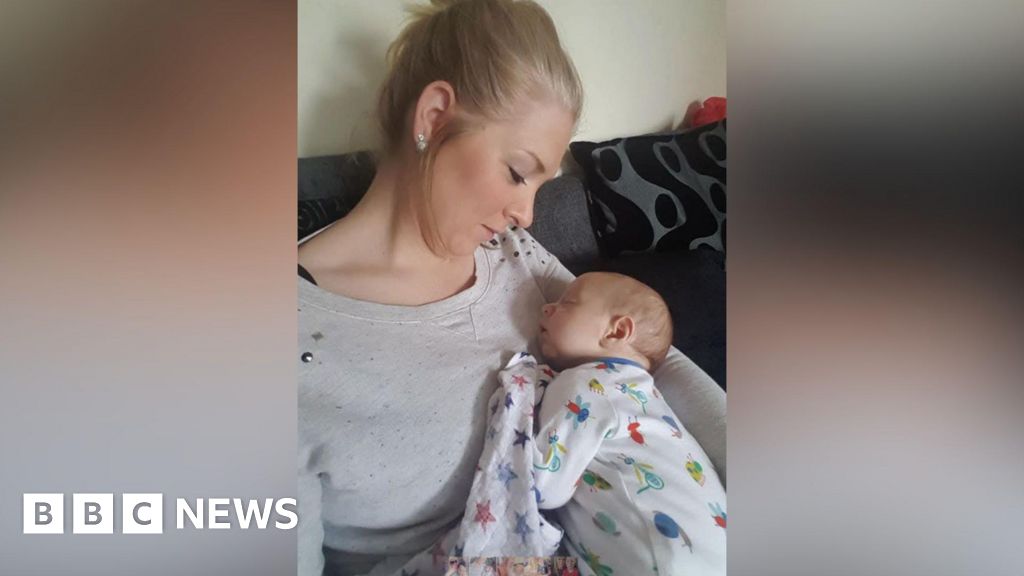
A mother in the UK, Laura Fricker, shared her remarkable experience of how her unborn son, Sebastian, was saved by an emergency blood transfusion while still in the womb. This rare procedure, performed during her pregnancy, highlights the critical need for blood donors, as the NHS Blood and Transplant (NHSBT) reports a significant annual shortfall of over 200,000 donors to meet increasing demands.
Laura Fricker, who resides in Weston-super-Mare, was just 14 weeks pregnant when doctors discovered that her baby was severely anaemic. The condition arose after she contracted parvovirus B19, a virus that can lead to foetal anaemia in a small number of cases. “I absolutely had no idea that this could even happen; I’d never ever heard of babies having transfusions,” Fricker explained, reflecting on her unexpected journey.
During her pregnancy, medical professionals identified the need for two intrauterine transfusions, which are specialized procedures that carry both risks and benefits. These transfusions are only conducted in specific cases and require skilled foetal medicine experts to oversee them. The NHSBT emphasizes that complications are rare, and the procedure can be life-saving.
Fricker underwent the first transfusion at 17 weeks and the second at 19 weeks. The procedure involved inserting a needle through her abdomen and into Sebastian’s bladder to deliver the necessary blood. “You could see on the screen the baby wriggling around and the needle going in and then the bubbles of blood going in,” she recounted, adding, “Even now, I get a bit emotional talking about it, because it’s just, yeah, it’s a pretty big thing.”
The demand for blood donations is substantial, with NHSBT requiring more than 5,000 donations each day to maintain a safe and reliable blood supply. In total, the organization seeks around 1.8 million donations annually. Vicki Hines, a senior sister with NHSBT in Taunton, stressed the urgent need to recruit more donors, particularly younger individuals who could contribute over their lifetimes.
She emphasized the transformative impact of receiving blood transfusions, sharing her personal experience of needing transfusions during her own surgeries. Hines has Von Willebrand disease, an inherited condition affecting blood clotting, and relied on donated blood products during her caesarean sections to prevent complications.
The emotional stories of patients like Laura Fricker and healthcare professionals like Vicki Hines highlight the significant role blood donations play in saving lives. Individuals interested in becoming blood donors can find more information and sign up through the NHSBT website, contributing to a vital cause that impacts countless lives.
This case serves as a poignant reminder of the importance of blood donation and the remarkable medical advances that can protect both mothers and their unborn children.