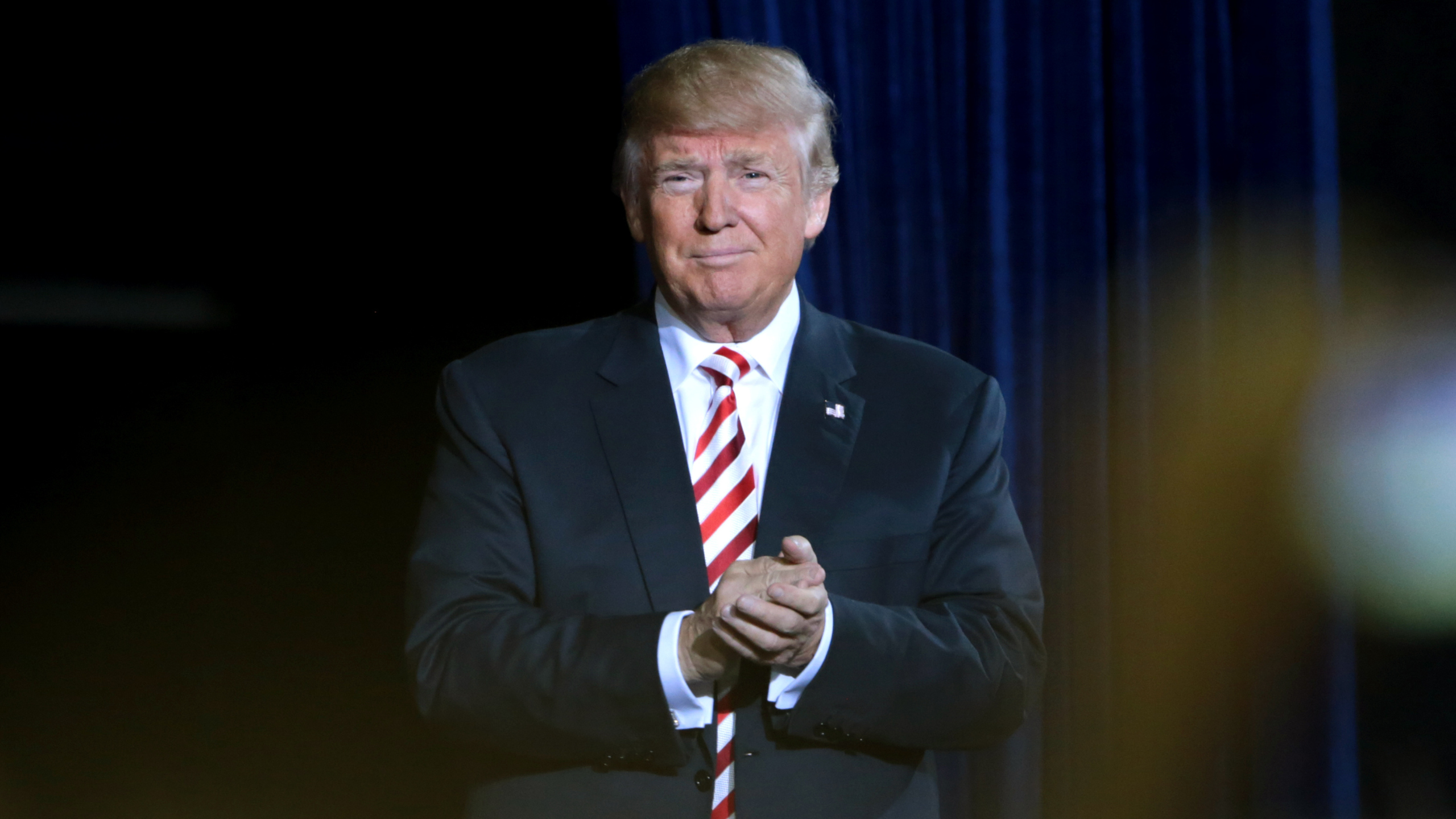
President Donald Trump has revealed that the mystery bruises on his hands, which have raised concerns about his health, are likely a consequence of his long-term aspirin regimen. In a rare and extensive interview with The Wall Street Journal published on January 1, 2026, Trump addressed the public speculation regarding his health as he embarks on the second term of his presidency at the age of 79.
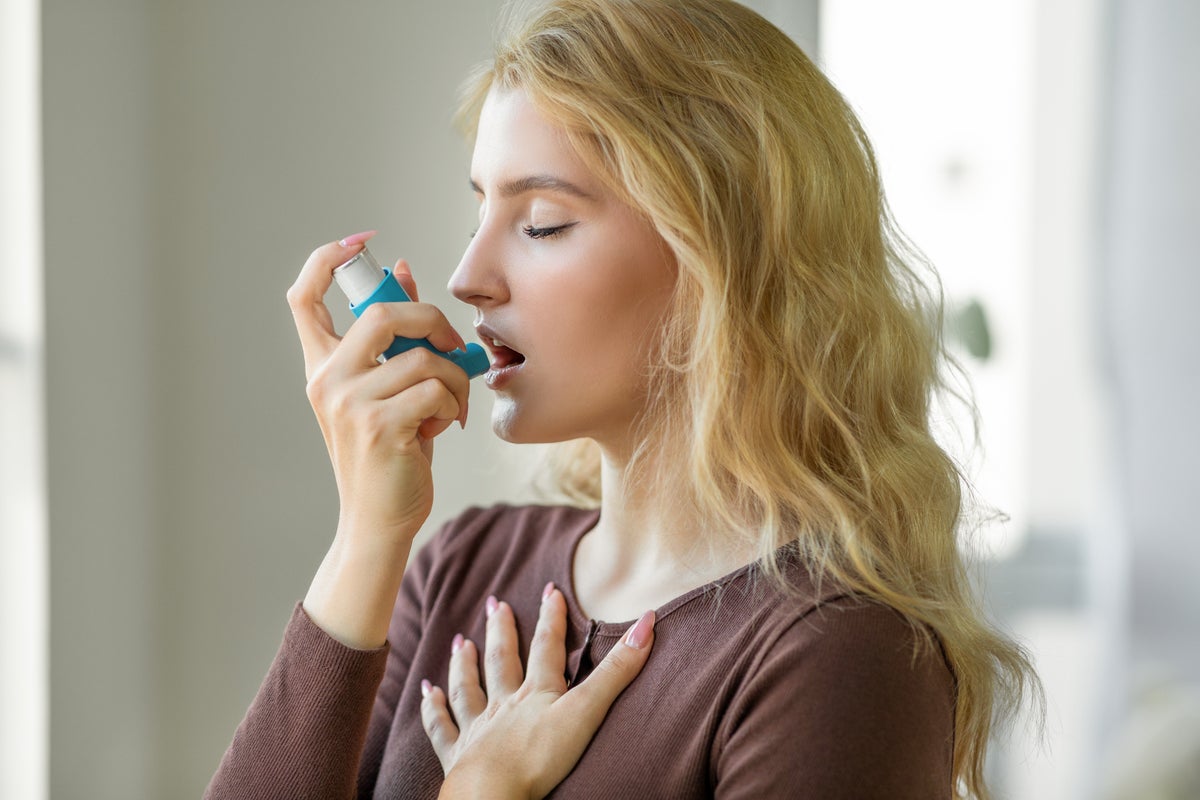
During the interview, Trump disclosed that he has been taking a daily dose of 325 milligrams of aspirin for the past 25 years, significantly higher than the commonly recommended low dose of 81 milligrams used for cardiovascular prevention. He stated, “Aspirin is good for thinning out the blood,” and expressed a superstitious reluctance to alter a routine he has relied on for decades. This admission has reignited discussions about transparency in presidential health, particularly as it raises questions regarding the implications of his aspirin use, especially at his age.
Trump’s visible bruising, combined with prior reports of swollen legs, has become a focal point in political discourse, prompting independent experts to voice the need for greater openness regarding his health. Medical literature indicates that while low-dose aspirin can mitigate risks of heart attack and stroke, higher doses increase the likelihood of bleeding and bruising, particularly in older adults. This aligns with clinical observations, even as Trump frames his choice as a matter of personal preference.
In his conversation with The Wall Street Journal, Trump recounted specific incidents, including a minor injury he sustained from a high-five with his attorney general nominee. He candidly shared that he sometimes uses makeup or bandages to cover bruises, an admission that underscores his awareness of the public’s perception of his health.
The dialogue surrounding Trump’s health is not solely focused on the bruising; earlier in his presidency, he faced scrutiny over swelling in his lower legs, which was diagnosed by the White House physician as chronic venous insufficiency. In response to the ongoing speculation, Trump clarified that a previous diagnostic imaging procedure he mentioned was actually a CT scan, not an MRI, performed as part of a preventative cardiovascular evaluation at Walter Reed National Military Medical Center. He expressed regret about the attention that the scan attracted, stating it provided critics with ammunition to question his health, despite having received “perfectly normal” findings from his doctor, Navy Captain Sean Barbabella.
Despite his assertions of good health, independent physicians have pointed out that symptoms like easy bruising and swelling can indicate both normal age-related changes and the effects of medications. Experts have emphasized that transparency regarding a leader’s health is vital for maintaining public trust. Trump’s insistence that he is in “perfect” health echoes statements he has made since late 2025, further asserting his energy levels and mental acuity. He noted that he starts work early and maintains a demanding schedule, attributing any moments of appearing fatigued to normal blinking or resting his eyes.
Political reactions to Trump’s revelations have been swift. Supporters have praised his openness, arguing that the bruising is inconsequential in light of his active schedule. Critics, however, contend that this incident highlights deeper issues regarding the management and transparency of presidential health. Analysts have noted that Trump’s combative style in addressing criticism resonates with his base, combining personal anecdotes with dismissals of scepticism.
As public scrutiny intensified in late December 2025 following the appearance of new bruising on Trump’s left hand, independent experts reiterated calls for more comprehensive disclosure regarding his medications and underlying health conditions. The political implications of this discourse are significant, with opponents advocating for stricter reporting requirements for presidential health to ensure transparency about potential health issues.
Trump’s recent admissions about his health practices have highlighted how personal health has become a contentious topic in political discussions. As he seeks to quell speculation regarding his health, the issues surrounding his bruising, aspirin dosage, and health transparency are poised to continue shaping political narratives throughout 2026.