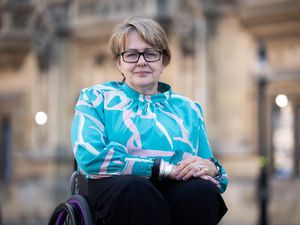
Paralympian Baroness Tanni Grey-Thompson has publicly shared her experience with disordered eating during a recent debate in the House of Lords regarding the Terminally Ill Adults (End of Life) Bill. As discussions unfolded, Lady Grey-Thompson revealed that she had to “carefully manage and adjust” her eating habits to maintain her competitive race weight of 45 kilograms, which is notably similar to the weight of an 11-year-old girl.
In her remarks, she described her experiences as having “disorderly eating behaviour rather than a diagnosed eating disorder.” This distinction highlights the nuanced struggles athletes may face in balancing performance and health. Her comments came as peers in the House of Lords agreed to include additional safeguards in the Bill to prevent individuals with anorexia from qualifying for assisted dying.
Lord Falconer of Thoroton, who is leading the Bill’s progression in the Lords, stated that concerns about the eligibility of individuals with eating disorders were raised during its initial review in the House of Commons. His amendment now ensures that those who voluntarily stop eating or drinking will not fall under the Bill’s provisions.
While this amendment has been welcomed, Lady Grey-Thompson pointed out a gap in the legislation, referring to what she termed a “bulimia loophole.” She emphasized that the current draft does not adequately address all eating disorders, which raises concerns about the protection of vulnerable individuals.
During the debate, Lady Grey-Thompson recounted her athletic career, noting that many athletes experience varying degrees of eating disorders. She explained, “As an athlete, you have a number of measurements, one of the things, you have your skinfolds measured several times a year.” The pressure to achieve low body fat percentages often stems from funding requirements and performance expectations.
Lady Grey-Thompson also disclosed that she experienced episodes of vomiting during her training, with one dentist bluntly inquiring if she was bulimic. “If I was, I don’t think that would have been the way to address it,” she remarked, highlighting the need for more compassionate and informed responses to such challenges.
As the debate continued, Baroness Berger raised similar concerns about the Bill’s limitations, noting that bulimia is more prevalent than anorexia and can be fatal. She stressed the importance of providing comprehensive protections for all individuals suffering from eating disorders, stating, “Bulimia, we know, is far more common, but it can also be fatal, with well-established risks.”
The Bill aims to provide terminally ill adults with less than six months to live access to assisted dying, but it must be approved by both Houses before becoming law. Lady Grey-Thompson has voiced her apprehensions regarding the legislation, asserting it poses a risk to disabled individuals.
Actress Sophie Turner has also expressed concerns about the potential implications of the Bill on those with eating disorders. In November, she joined others in signing a letter urging the House of Lords to consider the risks involved during their examination of the legislation.
As discussions progress, the focus remains on ensuring that the rights and vulnerabilities of those with eating disorders are adequately protected in the context of assisted dying legislation.