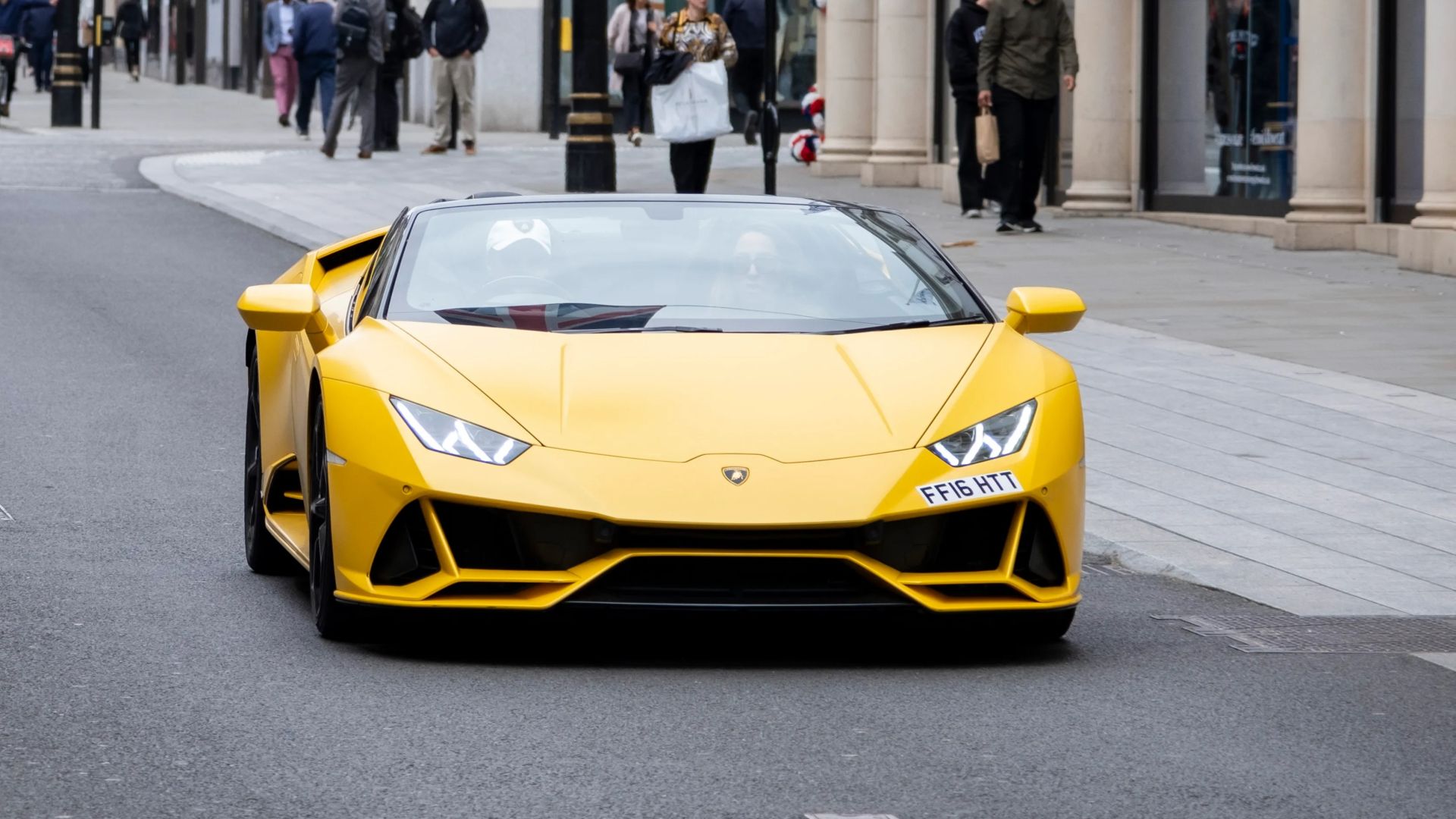
Research conducted by scientists at Western Sydney University has found a surprising connection between men’s insecurities regarding their body image and their choice of vehicles. According to the study, some men are more likely to drive fast sports cars as a way to compensate for concerns about the size of their manhood. This finding highlights how insecurities can manifest in various aspects of life, including consumer choices.
The study involved a sample of 763 men and aimed to explore the relationship between self-esteem, body image, and material possessions. The results indicated that men who expressed low confidence levels were more likely to associate their masculinity with the size of their penis. As a result, these individuals may seek alternative symbols of masculine status, such as owning a powerful sports car, to bolster their self-image.
Dr. Cindy Harmon-Jones, the lead author of the study, emphasized the implications of these findings. “The results converge with the popular idea that a man who is concerned his penis is small may seek alternate symbols of masculine status, such as a powerful sports car,” she stated. Her research suggests that the desire for a high-performance vehicle can be driven by feelings of insecurity regarding fulfilling traditional masculine roles.
The implications of this study extend beyond individual behavior. According to the National Health Service (NHS), average penis sizes range from 2.5 to 4 inches when flaccid and 5 to 7 inches when erect. Despite this, many men are preoccupied with their size, often influenced by cultural norms and societal expectations. Interestingly, polls have shown that most women are not as concerned about these dimensions as men might believe.
Further supporting this line of inquiry, a 2023 study found that men were more inclined to desire a sports car if they were led to believe that their penis size was below average. This manipulation of perception highlights the extent to which societal pressures can shape individual desires and choices.
As discussions around masculinity and body image continue to evolve, this research offers valuable insights into how insecurities can drive consumer behavior. The link between self-esteem and material possessions suggests that societal expectations may play a significant role in shaping personal identities.
Overall, the study serves as a reminder that the pursuit of status symbols like sports cars can often stem from deeper insecurities. Understanding these motivations may help address broader issues related to body image and mental health among men, fostering a more inclusive dialogue about masculinity in today’s society.