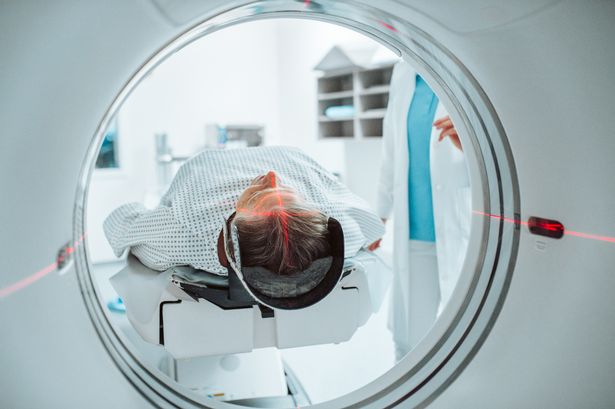
Researchers have made a significant advancement in understanding multiple sclerosis (MS), a chronic condition affecting the brain and spinal cord. By employing artificial intelligence (AI) to analyze brain scans and assess blood markers for nerve cell injury, scientists have identified two new biological sub-types of MS. This discovery could lead to more personalized treatment approaches for individuals suffering from the disease.
The study, led by Dr. Arman Eshaghi from the University College London (UCL) Queen Square Institute of Neurology, focused on a blood marker known as serum neurofilament light chain (sNfL). This marker indicates nerve cell injury and was examined in a cohort of 634 patients diagnosed with MS.
New Insights into Disease Progression
The research identified two distinct sub-types of MS, termed early-sNfL and late-sNfL. The early-sNfL sub-type features high levels of the blood biomarker early in the disease, accompanied by damage to the corpus callosum, a brain region critical for cognitive functions such as thinking, memory, and movement coordination. Conversely, the late-sNfL sub-type reveals a delayed increase in sNfL levels, correlated with early volume loss in cortical and deep grey matter.
Dr. Eshaghi emphasized the importance of these findings, stating, “Using routine brain images and a blood marker of nerve-cell injury, we identified two distinct biological trajectories in multiple sclerosis. This helps explain why people living with MS can follow different paths and it’s a step toward more personalized monitoring and treatment.” He noted that existing classifications of MS, including relapsing-remitting, secondary progressive, and primary progressive, do not adequately reflect the biological diversity of the condition.
Implications for Future Treatment
The implications of this research extend beyond classification. Caitlin Astbury, senior research communications manager at the MS Society, commented on the significance of the study, highlighting the integration of machine learning with MRI and biomarker data to pinpoint these new biological subtypes. She remarked, “Over recent years, we’ve developed a better understanding of the biology of the condition. But, currently, definitions are based on the clinical symptoms a person experiences. MS is complex, and these categories often don’t accurately reflect what is going on in the body, which can make it difficult to treat effectively.”
Astbury noted that as researchers continue to deepen their understanding of MS, the likelihood of discovering treatments that can halt disease progression increases. This study, published in the journal Brain in March 2024, represents a promising step toward refining treatment strategies for individuals affected by this challenging condition.
While there is currently no cure for MS, advancements like these pave the way for more effective management strategies, potentially improving the quality of life for millions worldwide. As research unfolds, the prospect of tailored treatments based on individual biological profiles becomes increasingly plausible, offering hope to those navigating the complexities of multiple sclerosis.