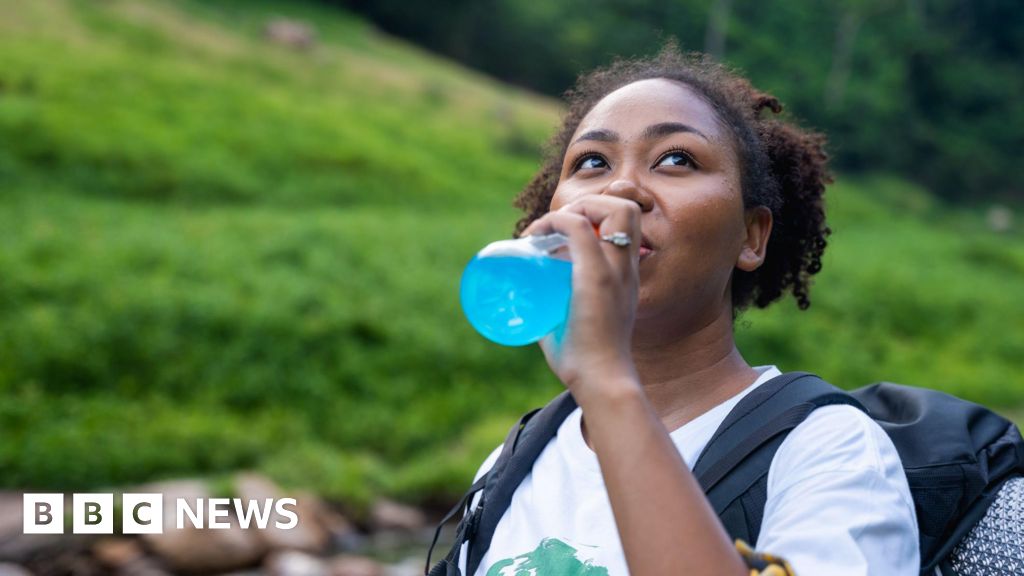
Electrolyte drinks have surged in popularity among casual gym-goers and athletes alike, often marketed as vital for performance and recovery. These beverages, which include a mix of minerals like sodium, potassium, and magnesium, are promoted as essential for hydration. However, according to findings from Professor Graeme Close of Liverpool John Moores University, most individuals do not require these products for everyday exercise.
Electrolytes play a crucial role in regulating nerve function, muscle contraction, and fluid balance. Despite their marketed benefits, Professor Close argues that the majority of people maintain adequate electrolyte levels through a balanced diet. He states that “most foods have salt in them, while fruits and vegetables provide potassium and magnesium.”
Understanding When Electrolytes Matter
The need for electrolyte replenishment primarily arises in specific situations, such as during prolonged and intense exercise that results in excessive sweating. For instance, athletes engaging in activities for more than 90 minutes may experience a notable drop in electrolyte levels. “If we exercise for a long period of time, particularly if you’re a salty sweater, then it’s not a bad thing to add some electrolytes back in the form of sodium,” Professor Close shared in an interview with BBC’s Sliced Bread.
Nevertheless, for most people partaking in moderate exercise—such as a casual gym session or a 5-kilometer run—water is generally sufficient. “Just sip water; that’s more than good enough and keep your hard-earned money for other things,” he recommends.
While some individuals enjoy the taste of electrolyte drinks, which may encourage them to stay hydrated, Professor Close suggests a cost-effective alternative. He recommends a homemade mix: “Combine two-thirds water, one-third fruit juice like pineapple juice, and a pinch of salt until you can just about taste it.” This simple blend creates a well-designed 6% carbohydrate and electrolyte solution.
Carbohydrates Over Electrolytes
Professor Close emphasizes that while electrolytes have their place, particularly during extensive exercise in hot conditions, the scientific basis behind carbohydrate ingestion is more robust. The body has limited carbohydrate storage, which can sustain high-intensity activity for only approximately 70 to 90 minutes. Therefore, athletes training beyond this threshold can benefit significantly from drinks that replenish energy stores.
However, the need to supplement other minerals such as chloride, calcium, or phosphorus is minimal. The body is adept at regulating these minerals, making additional intake unnecessary in most cases. “All you need to focus on is that during exercise you have enough water, carbohydrates, and sodium,” he advises.
Ultimately, for everyday exercisers, the use of electrolyte drinks may not be justified. Professor Close cautions against claims of performance enhancement, stating, “If you see something promising a 10% improvement in your performance, you know it’s not true.” While electrolytes can be beneficial in specific circumstances, most people can achieve their hydration needs through simple water consumption and a balanced diet.