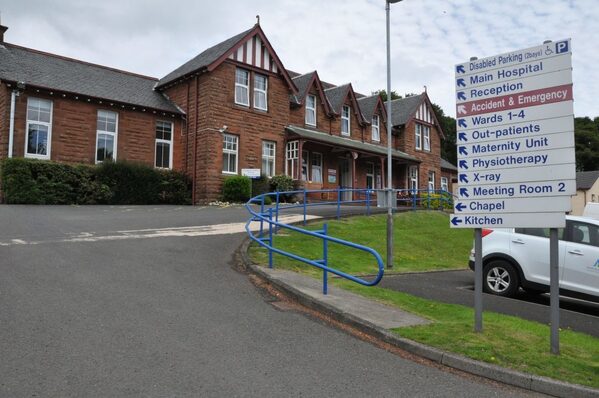
The National Health Service (NHS) is implementing an artificial intelligence (AI) tool to alleviate waiting times in emergency departments this winter. This innovative A&E forecasting tool helps hospitals anticipate high demand periods, allowing for improved staffing and resource management.
The AI tool analyzes historical data, including weather patterns, to predict patient inflow at Accident and Emergency (A&E) departments. By identifying peak times, hospitals can optimize their operations, ensuring that healthcare professionals can focus on patient care rather than administrative tasks. This initiative aims to enhance efficiency during one of the busiest seasons for the NHS.
AI Enhancing Operational Efficiency
According to Ian Murray, Minister for Digital Government and Data, the A&E department serves as the “front door” of the NHS. He emphasized the challenge of unpredictable patient volumes, noting that certain nights, like Saturdays, tend to be busier than others. The AI forecasting tool takes these trends into account, enabling healthcare providers to allocate resources more effectively.
Murray explained, “It helps us to predict how busy their A&E departments are going to be.” This foresight can lead to increased availability of specific consultants and nursing staff, as well as strategies to expedite patient discharges, freeing up essential bed space.
As of now, around 50 NHS organizations are utilizing this tool, with Murray indicating they are experiencing positive outcomes. He remarked, “It’s about modernizing the NHS, using the tools to allow clinicians and professionals to do the things that they’re trained to do.”
Impact on Patient Care
Recent figures from NHS England reveal encouraging trends regarding waiting times. The number of patients waiting over 12 hours from the decision to admit to actual admission fell to 50,648 in November, down from 54,314 in October. Additionally, patients waiting at least four hours showed a decrease, with 133,799 individuals recorded last month compared to 142,734 the previous month. Notably, 74.2 percent of patients were seen within four hours in November, a slight increase from 74.1 percent in October.
The AI tool is part of the AI Exemplars program initiated by Sir Keir Starmer, which aims to integrate technological advancements into healthcare. Liz Kendall, Technology Secretary, highlighted the potential of AI to enhance healthcare services. “By helping to predict demand, this AI forecasting tool is getting patients the care they need faster,” she stated, emphasizing its role in supporting NHS staff during peak periods.
Professor Julian Redhead, National Medical Director for Urgent and Emergency Care at NHS England, stated, “Early and efficient planning is key to managing busy periods like winter.” He believes that new technologies, such as the AI tool, can significantly improve patient care management.
The AI forecasting tool is now available to all NHS trusts in England, marking a significant step toward modernizing healthcare operations and improving patient outcomes during critical times.