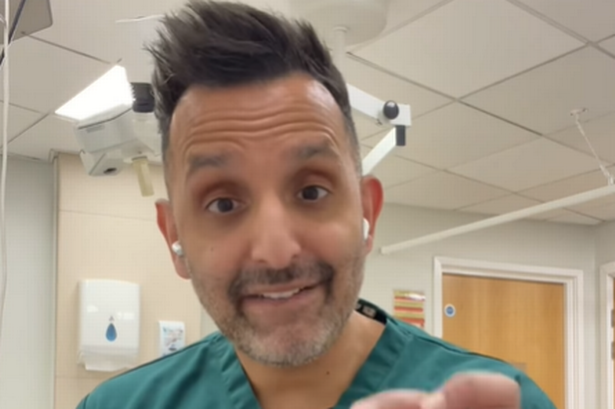
New legal protections aimed at safeguarding NHS staff in Wales from disruptive behaviour have officially taken effect. The legislation establishes a specific offence for causing nuisance or disturbance on NHS premises, empowering police and authorized NHS personnel to remove individuals who violate these provisions.
The definition of nuisance behaviour includes actions such as verbal abuse, obstructing corridors, hindering staff from performing their duties, and creating excessive noise in waiting areas, wards, and other locations within healthcare facilities. Importantly, these new powers do not apply to patients seeking medical care, ensuring that those in need of treatment can access services without obstruction.
Individuals who create a nuisance, refuse to leave when requested by staff or law enforcement, and are not present for medical reasons may face consequences under this legislation. The powers, introduced under the Criminal Justice and Immigration Act 2008, aim to protect NHS staff, patients, and visitors, ensuring that essential services can operate without disruption. Police are authorized to use reasonable force to remove individuals suspected of committing the offence if necessary.
Collaboration for Enhanced Safety
The development of these new powers involved collaboration among various stakeholders, including the Anti-Violence Collaborative, police forces, the Crown Prosecution Service, NHS Wales organizations, and trade unions. This cooperative effort highlights the commitment to fostering a safe environment for both healthcare providers and those they serve.
Recent data from the All-Wales NHS Staff Survey underscores the urgency of these measures. The survey revealed a significant decline in NHS staff feeling safe from abuse by patients and the public, dropping from 83.6 percent to 74.8 percent. This alarming trend underscores the necessity of implementing stronger protections.
Jeremy Miles, Cabinet Secretary for Health and Social Care, emphasized the importance of these new powers, stating, “These powers strengthen protections for our NHS staff and help ensure that our hospitals and healthcare settings remain safe for staff and patients where care can flourish.” He added, “This is about safety, dignity, and supporting the workforce. It does not criminalize people seeking care—it ensures that staff can do their jobs free from fear, and people can receive treatment in calm, secure environments.”
The introduction of these legal protections represents a significant step toward creating a more secure atmosphere within NHS facilities in Wales. By addressing disruptive behaviour effectively, the legislation aims to foster an environment where healthcare professionals can perform their duties without fear while ensuring that patients receive the care they need in a safe setting.