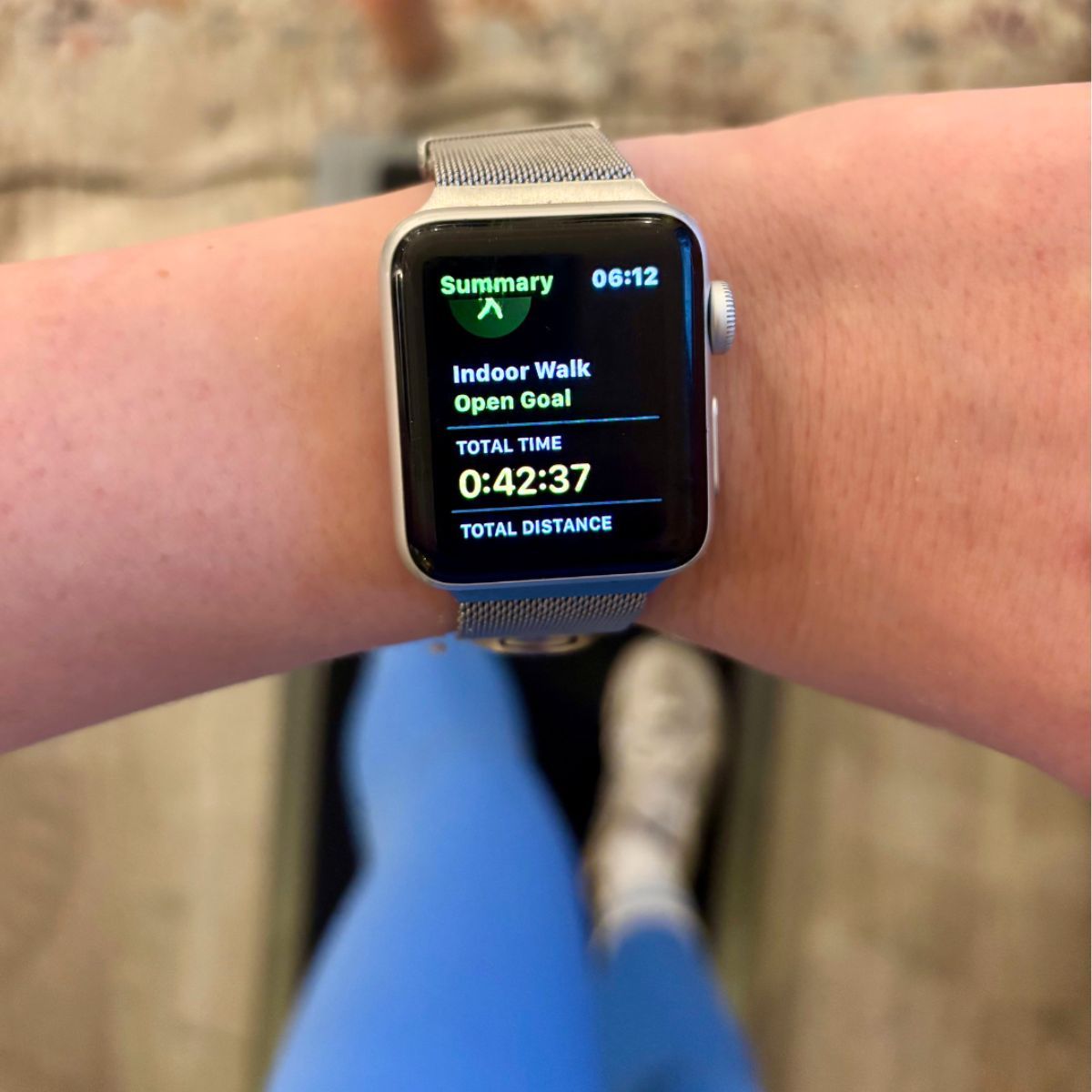
The winter months often challenge fitness enthusiasts, leading many to abandon outdoor workouts due to harsh weather conditions. In an effort to maintain an active lifestyle, Rebecca Lawton decided to swap her weekly outdoor runs for a walking pad. This shift provided her with a more convenient and comfortable way to stay fit without braving icy paths and cold temperatures.
Walking pads have surged in popularity, particularly during winter when outdoor exercising becomes less appealing. They offer a quick and effective way to keep moving from the comfort of one’s home. Lawton, a mother of three, found herself increasingly discouraged by the cold, dark mornings and the need for extensive layering before heading outside. Research from 2021 indicated that many people tend to exercise less and spend more time sedentary during the winter months.
Carly Corrigall, a personal trainer, noted that winter weather can significantly impact motivation. “Even the best intentions to head out for a run can go out the window when there’s sideways rain,” she stated. Seeking a solution, Lawton turned to a walking pad to see if it could help her maintain her fitness levels.
Benefits of Using a Walking Pad
Lawton discovered several advantages to using a walking pad over traditional running. Consulting fitness experts provided her with valuable insights into the benefits of this alternative workout.
Convenience emerged as a primary theme. Lawton found that she could easily set up her walking pad at home, eliminating the need to dress for the weather or spend time preparing to go outside. Chloe Thomas, a walking expert, emphasized that the ease of hopping on a walking pad at any time of day can lead to greater consistency in maintaining an active lifestyle.
Another significant benefit is the stress reduction that walking provides. According to Eryn Barber, a personal trainer, walking is less taxing on the nervous system than running and can lower cortisol levels, thus reducing stress. This is particularly beneficial during the more challenging winter months when stress levels can rise due to various factors.
Lawton also appreciated the low-impact nature of walking pads. While she enjoys the runner’s high associated with running, she acknowledged the toll it can take on her joints. Walking offers a gentler alternative, allowing her to remain active while giving her body a chance to recover from the impacts of running.
Additionally, using a walking pad can lead to an increase in daily activity and step intake. The convenience of walking at home enables users to log longer or more frequent sessions, ultimately enhancing overall movement. Barber noted that simply integrating walking into daily routines can significantly improve activity levels.
Lastly, Lawton learned that walking can provide a gentle metabolic boost. By walking for extended periods, particularly while multitasking, individuals can keep their metabolism active throughout the day.
Finding the Right Balance
Determining whether a walking pad is the right choice depends on individual circumstances. Fitness experts agree that it can be a smart alternative for those who struggle with exercising outdoors during winter. Lawton noted that the walking pad helped her maintain her routine without starting from scratch when spring arrived.
Those who work from home or spend long hours sitting at a desk can particularly benefit from a walking pad. A study from 2023 found that participants who used treadmill desks reported being less sedentary and experienced improvements in cardiovascular health.
For individuals with joint issues, the low-impact nature of walking pads provides a gentler option for exercise. As Thomas highlighted, these pads are especially beneficial for those recovering from high-impact activities.
Reflecting on her experience, Lawton found that the transition to a walking pad was seamless. In her first week, she appreciated the ease of use, allowing her to squeeze in workouts without the hassle of preparing for outdoor conditions. Although she initially missed the fresh air and mental clarity that outdoor runs provided, she acknowledged that the walking pad became an essential tool in her fitness regimen.
By week two, Lawton had established a routine, often using the walking pad while watching her favorite shows. She discovered that the convenience of indoor workouts allowed her to exercise more frequently, even when time was tight.
Despite the advantages, Lawton realized that the walking pad could not entirely replace the unique benefits of outdoor running. The fresh air and connection to nature offered a mental health boost that was irreplaceable.
Ultimately, Lawton concluded that a combination of both indoor and outdoor workouts would be her approach moving forward. The walking pad had provided her with a reliable alternative during the winter, ensuring her fitness remained on track.
As the popularity of walking pads continues to rise, they are likely to remain a fixture in many homes, providing accessible and effective fitness solutions for individuals seeking to maintain an active lifestyle throughout the winter months.