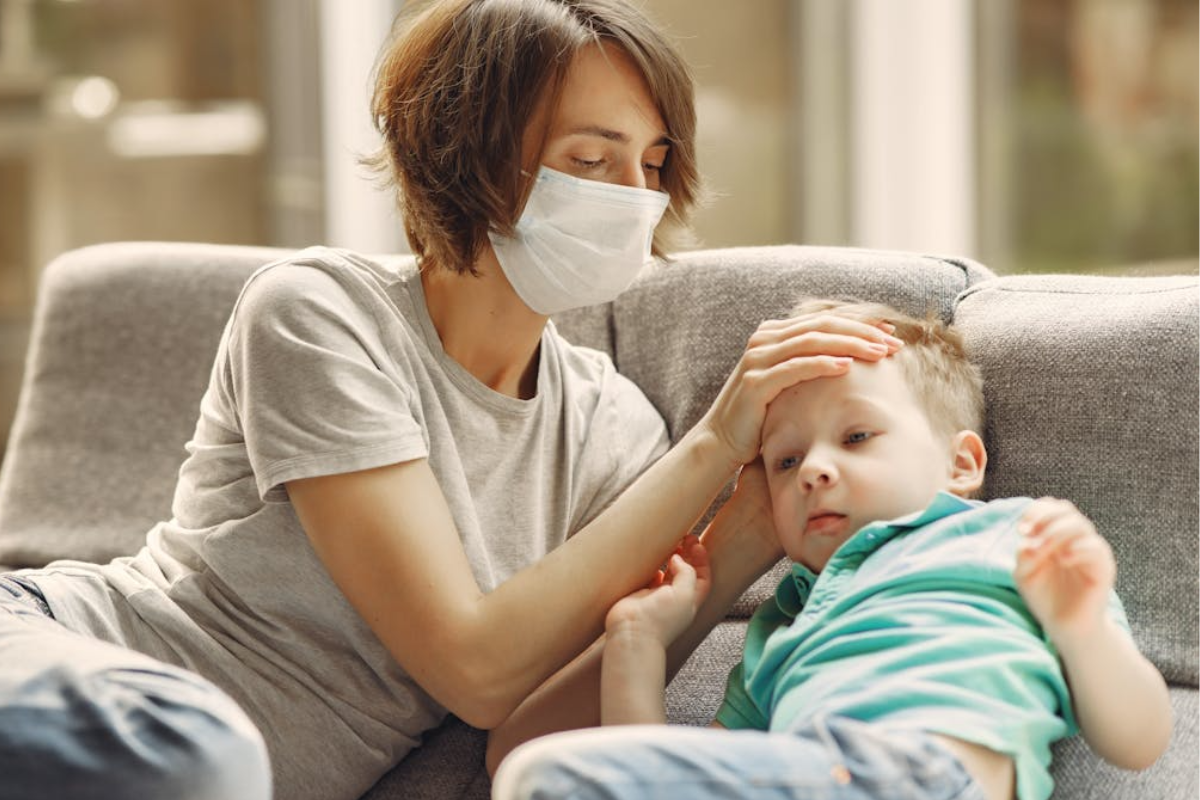
As the incidence of adenovirus rises alongside seasonal flu this winter, health experts are advocating for increased caution. Adenovirus, which circulates throughout the year, often presents symptoms similar to flu, such as fever, sore throat, and cough. However, its characteristics differ significantly. The virus can survive longer on surfaces and spreads easily in indoor environments, remaining active even after symptoms have subsided.
Dr. Matthew M. D’Amore from Jefferson Health states that adenovirus is “heartier than other viruses,” making it more difficult to eradicate with standard disinfectants. With health services, particularly the NHS, facing mounting pressure, prevention has become paramount. Experts recommend wearing masks in crowded spaces, improving ventilation, and using bleach-based cleaning methods as the most effective means to combat the spread of adenovirus.
Adenovirus is known to impact multiple systems in the body. Beyond respiratory issues, it has been linked to conjunctivitis, diarrhoea, and ear infections. The existence of nearly 60 strains complicates efforts to control its transmission. Public health officials continue to stress the importance of masks, especially since adenovirus spreads through respiratory droplets, much like flu and COVID-19. A well-fitted mask can significantly reduce exposure risk in crowded indoor settings, which is crucial in schools, workplaces, and healthcare facilities.
The similarity in symptoms between adenovirus and seasonal flu heightens the need for preventive measures. The H3N2 strain of the flu has been reported to cause severe coughs, fevers, and fatigue, making it essential to distinguish between the two in order to avoid misdiagnosis and alleviate the burden on healthcare services.
Ventilation and Cleaning Practices
Improving ventilation has emerged as a foundational strategy in infection control. Adequate airflow can dilute viral particles, reducing transmission likelihood. Health experts recommend practical measures such as opening windows, installing HEPA-filtered air purifiers, and ensuring mechanical ventilation systems are properly maintained. Stagnant air contributes to viral multiplication, making increased airflow vital for safety in environments like schools and care facilities, where outbreaks can escalate quickly.
A concerning aspect of adenovirus is its longevity on surfaces. Research indicates that adenovirus can survive for extended periods compared to flu viruses, which decay more rapidly. Routine hygiene products may not effectively eliminate adenovirus; according to health experts, it cannot be destroyed with soap and water alone. The most effective surface disinfection method involves using bleach-based solutions. High-touch areas, including door handles and light switches, should be cleaned regularly, with diluted bleach applied safely to most hard surfaces in households and more potent formulations used in clinical settings.
With the current winter season already strained by flu and COVID-19 admissions, the persistence of adenovirus adds complexity to diagnosis and treatment. Unlike flu, which can be treated with antivirals such as Tamiflu, there is no specific treatment for adenovirus. Supportive care remains the primary course of action, underscoring the importance of preventive measures.
Awareness and Compliance
The overlap in symptoms between adenoviruses and flu can lead to increased testing demands, creating potential delays in treatment. Patients presenting with common symptoms such as sore throats, fevers, and coughs may face misdiagnosis, which could result in inappropriate treatment. This highlights the crucial role of social awareness in adhering to preventive practices.
For individuals, the recommendations may feel familiar due to ongoing pandemic measures, yet they remain vital in combating adenovirus. As there is no specific treatment for this virus, the emphasis on prevention is critical. Health experts assert that maintaining vigilance with these practices can significantly mitigate the risks associated with adenovirus, especially during the peak winter season.