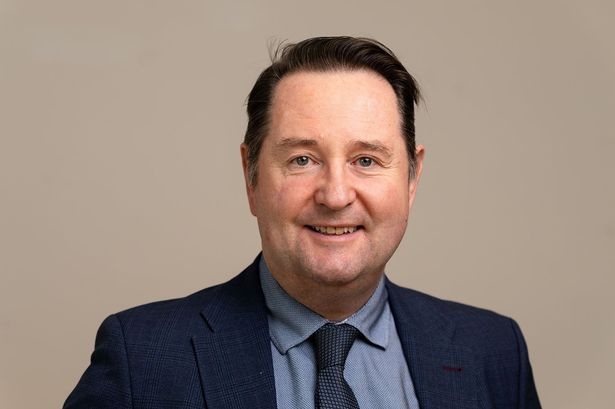
Parents of children affected by long-term use of anti-infection drugs have accused John Swinney, the Scottish Health Secretary, of “hiding behind” the ongoing Glasgow Hospital Inquiry. They claim that their children have suffered debilitating conditions as a result of these medications, which were administered in the National Health Service (NHS) hospitals.
The inquiry, which was launched to investigate the broader implications of medical practices within Glasgow’s healthcare system, has become a focal point for parents seeking answers. Many families report that their children have developed serious health issues after prolonged treatment with specific anti-infection drugs. The situation has raised significant concerns regarding patient safety and the transparency of medical protocols used in hospitals.
October 2023 marks a critical period in the inquiry as families urge the Scottish Parliament to address their grievances directly. During a recent press conference, parents expressed frustration that their voices are not being heard amid the complexities of the inquiry. “It feels like we are being sidelined while the government focuses on procedural matters,” stated one parent, who chose to remain anonymous. “Our children’s health is at stake, and we need immediate answers.”
Call for Action and Transparency
The families have organized rallies and public engagements to amplify their concerns, demanding that Swinney take a more active role in the inquiry. They argue that accountability should not be delayed while investigations proceed. “We have waited long enough for transparency and action,” said another parent. “The lives of our children depend on it.”
As the inquiry progresses, it is expected to examine not only the medical practices in Glasgow but also the systemic issues within the NHS that may have contributed to the use of these drugs. Parents worry that without immediate intervention, further cases of debilitating health conditions could emerge.
In response to the families’ accusations, John Swinney has stated that the inquiry is essential for understanding the full scope of the issues at hand. He reiterated the importance of following proper investigative protocols to ensure that the findings are comprehensive and credible. “We must uphold the integrity of the inquiry to provide families with the answers they deserve,” Swinney remarked.
Impact on Families and Future Implications
The emotional toll on families has been profound, with many reporting increased stress and anxiety related to their children’s health. Some children require ongoing medical care, which has placed additional burdens on families both emotionally and financially. The costs associated with long-term treatments have led some parents to seek legal advice, exploring potential avenues for compensation for their children’s suffering.
Experts in healthcare policy have noted that the outcome of the inquiry could lead to significant changes in how anti-infection drugs are prescribed and monitored. “This situation highlights the need for stringent oversight and awareness regarding the long-term effects of these medications,” said Dr. Emily Harris, a health policy analyst. “The findings could reshape protocols not just in Scotland but across the UK.”
As the inquiry continues, families remain hopeful that their concerns will lead to meaningful change in the healthcare system. They are determined to ensure that their experiences contribute to a safer environment for future patients. The call for action from parents reflects a growing demand for accountability and transparency within the NHS, a sentiment that resonates widely across the healthcare landscape in Scotland.