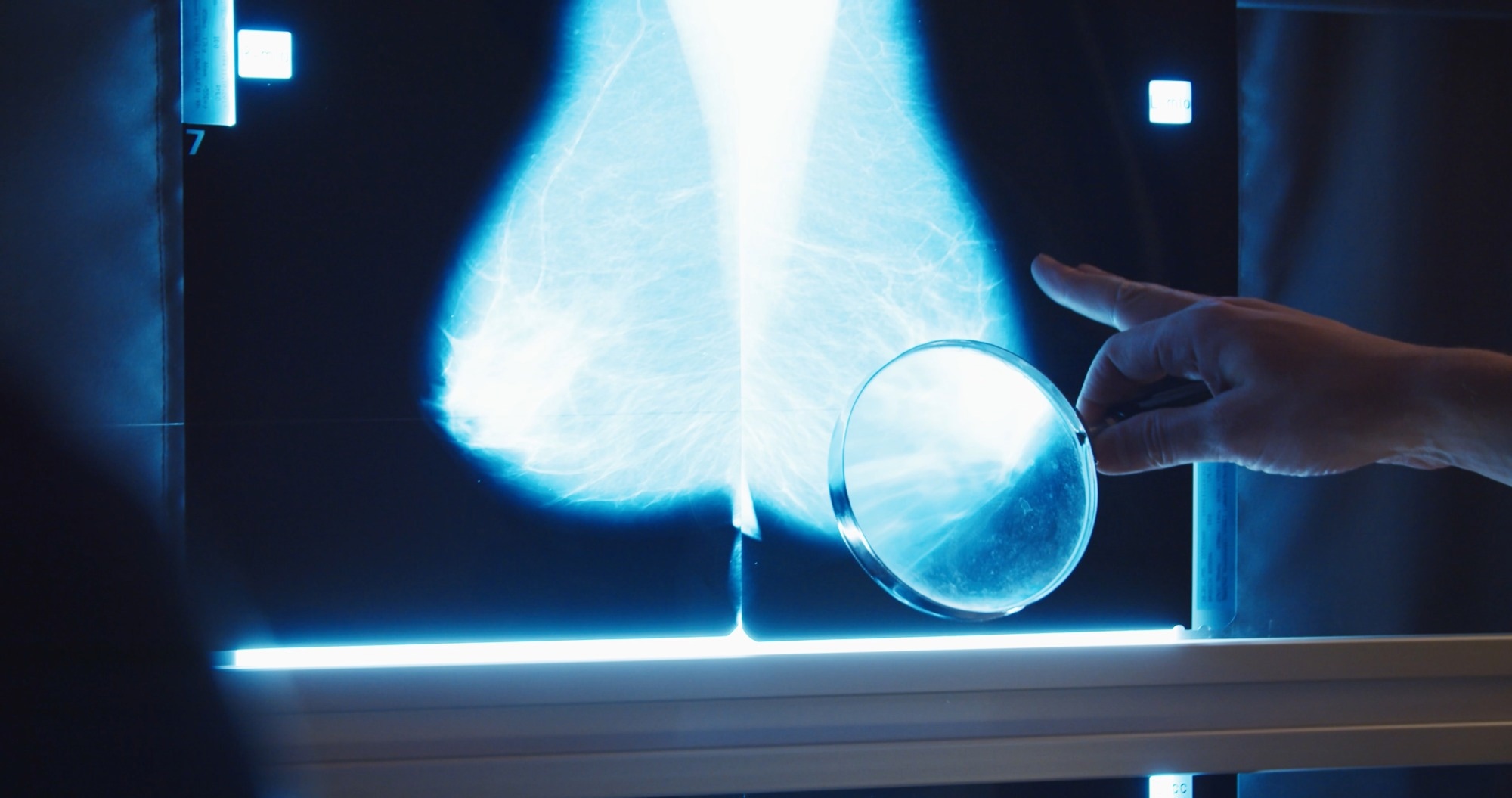
A recent study highlights the potential of artificial intelligence to identify subtle indicators of aggressive breast cancers in routine mammograms, potentially years before a formal diagnosis. Conducted by a team of researchers and published in the journal npj Digital Medicine, the study involved a large-scale retrospective analysis of 112,621 mammograms collected between 2014 and 2017 from the National Health Service (NHS) in the United Kingdom.
The study evaluated the effectiveness of four advanced Deep Learning (DL) algorithms in predicting “interval cancers,” which are diagnosed after a negative mammogram but before the next scheduled screening. These cancers represent about 30% of breast cancer diagnoses in screening programs, creating a significant gap in current detection methods. The findings revealed that the DL model known as Mirai, developed by the Massachusetts Institute of Technology (MIT), performed best among the algorithms tested, achieving an area under the curve (AUC) of 0.77 for interval cancer prediction.
The researchers flagged the top 4% of “normal” mammograms as the highest risk for future cancers, identifying around 27.5% of interval cancers within this group. While the study noted slight variances in performance based on the specific mammography systems used, the results suggest that DL tools could significantly enhance risk-stratified screening strategies in breast cancer detection.
Understanding the Challenge of Interval Breast Cancers
Breast cancer screening typically involves women receiving mammograms every few years, such as every three years in the UK. Despite the efficacy of these screenings in detecting many breast cancers, they often miss interval cancers, which tend to be more aggressive. These are cancers that become apparent after a negative screening result but before the next scheduled exam. Consequently, they often lead to poorer prognoses and outcomes.
Traditional methods to predict individual risk have relied on genetic assessments and family history evaluations, which are not routinely implemented in most population screening programs. Recent advancements in DL algorithms have prompted researchers to explore whether AI can detect subtle imaging patterns that may be overlooked by human radiologists.
Study Design and Key Findings
To investigate the predictive capabilities of various DL models, the study compared four algorithms: Mirai, iCAD ProFound AI Risk, Transpara Risk, and Google Health’s Risk Model. The extensive validation dataset from the NHS provided a solid foundation for evaluating the algorithms’ performance.
Among the models tested, Mirai consistently exhibited the highest predictive power with an AUC of 0.72. The other models also performed notably well, with iCAD achieving an AUC of 0.70, Google Health at 0.68, and Transpara at 0.65. These scores are particularly impressive, considering the mammograms had been previously interpreted as normal during routine screenings.
The study’s observations indicated that the DL models could accurately identify women at high risk of interval cancers from initially negative screening results. Expanding the high-risk group identified by Mirai to the top 14% of women nearly doubled the detection yield, capturing approximately 50.3% of all interval cancers in the cohort.
Moreover, the researchers assessed the performance of these models across different mammography machines, specifically analyzing images from systems made by Philips and GE. They found that three of the four models performed similarly regardless of the manufacturer, although Transpara showed better results on GE machines compared to Philips.
While the findings are promising, the authors acknowledged limitations in the study, such as the exclusion of specific mammogram types and potential biases in ethnicity data. They emphasized that further prospective clinical trials are necessary to fully understand the potential clinical utility of these AI models before they can be integrated into routine screening protocols.
In conclusion, the study provides compelling evidence that DL models like Mirai can identify critical imaging signals from standard mammograms. This capability could pave the way for more effective, personalized breast cancer screening strategies, ultimately improving early detection and patient outcomes.