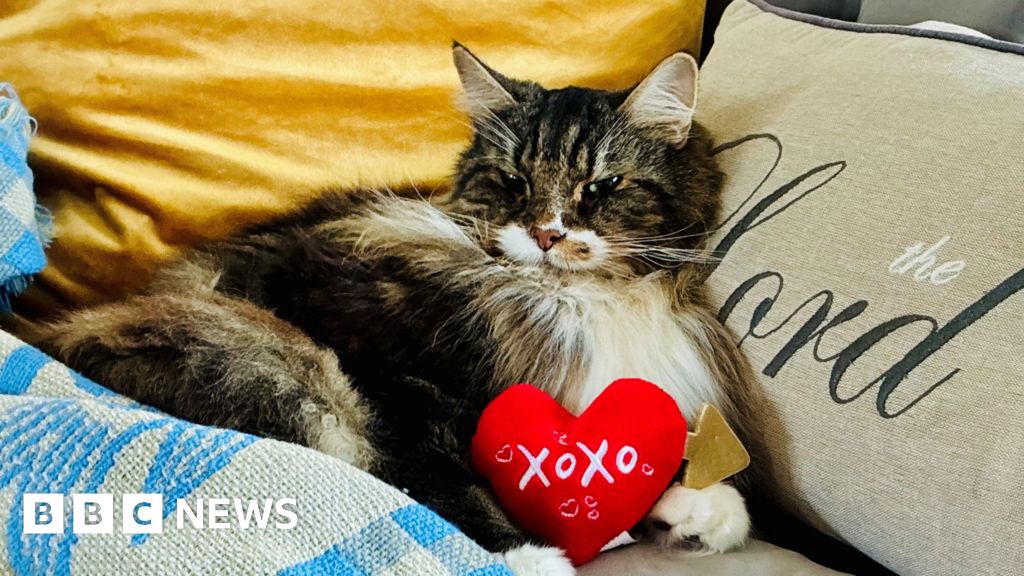
Romeo, a nearly 16-year-old cat, is receiving an unexpected medication typically associated with human erectile dysfunction. After showing signs of breathlessness during activities, his owner sought veterinary help, leading to a diagnosis of pulmonary fibrosis and pulmonary hypertension. The veterinarian prescribed sildenafil citrate, more commonly known as Viagra, to improve Romeo’s quality of life.
Understanding the Diagnosis and Treatment
The diagnosis revealed that Romeo’s condition involved high blood pressure in the arteries of his lungs, which placed additional strain on his heart. This situation necessitated a treatment that could relax blood vessels and enhance oxygen delivery. According to Dr. Reinero, a specialist at the University of Missouri’s BREATHE Clinic, the use of sildenafil citrate in cats is increasingly recognized, although it remains relatively obscure compared to its well-known applications in human medicine.
Dr. Reinero stated, “There is minimal data around this medication’s use for pulmonary hypertension in cats, as it is used off-label when other options might be limited.” He emphasized that while improper use of sildenafil can pose risks, appropriate administration can significantly improve a pet’s quality of life.
The Journey to Finding a Solution
Romeo’s treatment with sildenafil citrate is a testament to the evolving nature of veterinary medicine. Initially synthesized in 1989 by chemists at Pfizer while researching treatments for angina and high blood pressure, sildenafil became widely known as the first approved oral treatment for erectile dysfunction after its release in the USA and UK in 1998.
Despite its controversial reputation, the drug has gained traction in veterinary circles for its potential benefits. Romeo takes the medication in a beef-flavored form, and his owner reports noticeable improvements in his overall well-being. Nonetheless, sildenafil citrate does carry potential side effects, including vomiting, and should not be used alongside other medications that lower blood pressure.
As Romeo continues his treatment, he remains blissfully unaware of the stigma surrounding his medication. For his owner, this Valentine’s Day symbolizes a renewed sense of joy and vitality for the beloved feline. “It’s just one of the reasons his world feels a little bigger again,” they reflected.
As veterinary professionals explore the therapeutic potential of existing medications in new contexts, Romeo’s story highlights the importance of tailored treatments in enhancing the lives of pets facing serious health challenges.