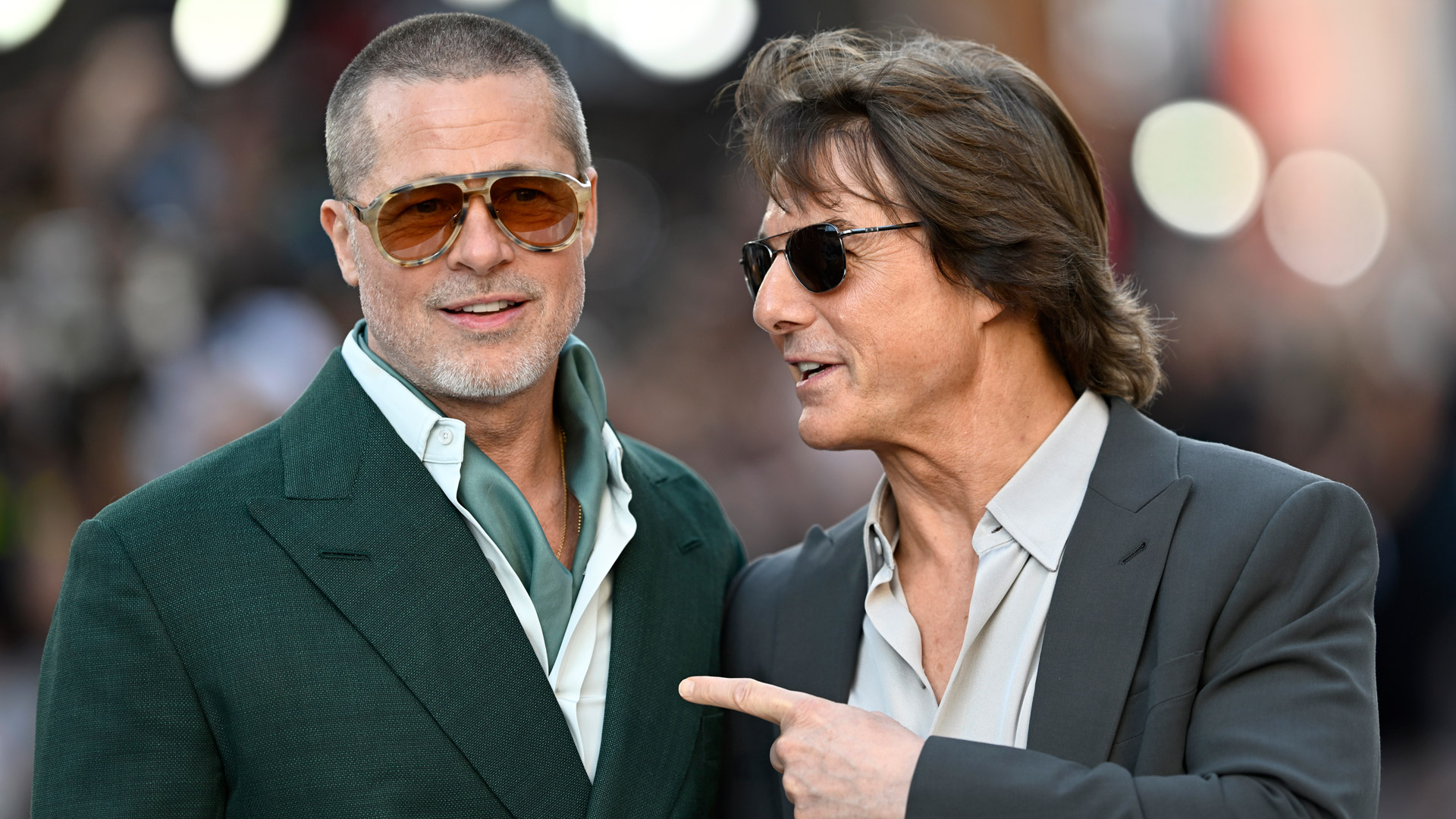
A recently surfaced AI-generated video depicting actors Tom Cruise and Brad Pitt in a dramatic fight scene has ignited significant backlash from industry representatives. The clip, created by Seedance 2.0, a generative AI video platform developed by ByteDance, showcases the two A-list stars engaged in combat atop a ruined city bridge. This realistic portrayal has raised alarms about the implications for actors and the broader entertainment industry.
The video gained traction after Rhett Reese, a writer and producer known for his work on the “Deadpool” franchise, shared it on social media with a comment suggesting that this technology poses an existential threat to the film industry. The Motion Picture Association (MPA) responded to the controversy by condemning the use of copyrighted material, stating that Seedance 2.0 has engaged in “unauthorized use of U.S. copyrighted works on a massive scale.”
In a statement to TechRadar, SAG-AFTRA, the union representing around 160,000 actors and other creative professionals, expressed its outrage. The organization stated, “SAG-AFTRA stands with the studios in condemning the blatant infringement enabled by ByteDance’s new AI video model Seedance 2.0. The infringement includes the unauthorized use of our members’ voices and likenesses.” The union emphasized that such actions undermine the ability of human talent to earn a livelihood, asserting that Seedance 2.0 disregards laws and ethical standards in the industry.
The implications of this technology could be significant, especially considering the challenges posed by ByteDance, a Chinese company, to U.S. regulatory efforts. While the MPA and SAG-AFTRA may struggle to exert influence over the platform’s operations, there remains concern about how users in the U.S. may utilize Seedance 2.0 to generate and share infringing content.
During a discussion at the Consumer Electronics Show (CES) last month, SAG-AFTRA President Sean Astin highlighted the need for the industry to adapt to new technological realities. He noted that the increasing realism of generative AI tools poses a significant threat to the livelihoods of actors and other creators. “When there are new levels of functionality… that really pose an existential threat to our organization, we have to react and understand and keep moving,” Astin remarked.
The technological advancements represented by Seedance 2.0 allow for the creation of high-quality video content without traditional production teams. This raises critical questions about the future of the film industry, particularly regarding how creative professionals will be compensated for their likenesses and contributions.
While some may view the emergence of tools like Seedance 2.0 as an opportunity to democratize creativity, the potential for misuse and infringement remains high. The quality of the video, including elements such as audio, location, set design, and choreography, is typically the result of human expertise and labor, which generative AI can bypass entirely.
There is a growing consensus that the entertainment industry must reevaluate its licensing practices and establish clearer guidelines for the use of likenesses in generative AI applications. As technology continues to evolve, the balance between innovation and the protection of intellectual property rights will be increasingly critical.
The developments surrounding Seedance 2.0 highlight the urgency for industry stakeholders to engage in meaningful dialogue and establish frameworks that safeguard the rights of creators while embracing new technologies. As the conversation around AI in entertainment continues, the stakes for actors like Cruise and Pitt, and the broader creative community, could not be higher.