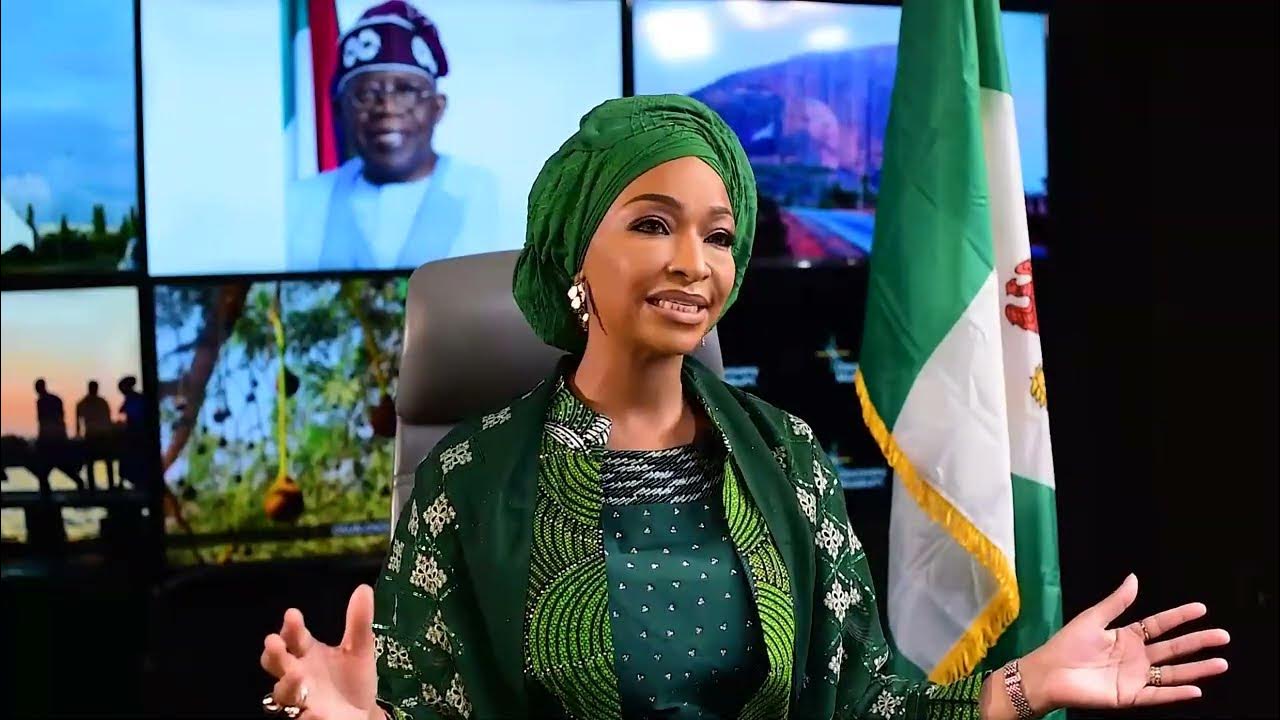
The federal government of Nigeria has recognized the significant global impact of Nollywood as the 15th edition of the Zuma International Film Festival commenced in Abuja. In her opening remarks on November 10, 2023, the Minister of Arts, Culture, Tourism and the Creative Economy, Hanatu Musawa, highlighted Nollywood’s evolution into a billion-dollar industry and its role in shaping international conversations around African storytelling.
Musawa described Nollywood as one of Nigeria’s strongest symbols of creativity and innovation, noting its transformation from the era of Video Home System (VHS) tapes in the early 1990s to its current status as a major player in the global film industry. She commended the Nigerian Film Corporation (NFC) for successfully attracting an international jury and diverse entries, emphasizing that this reflects Nigeria’s expanding influence in global cinema.
The minister underscored the importance of documenting Nollywood’s history, warning that unrecorded achievements might be credited to others. She urged broadcasters, commissioning producers, and television stations to help tell the industry’s story, from its beginnings to its current successes. “If you understand the trajectory of Nollywood, you know it is all about disruption,” Musawa stated. She added that creatives are often disruptors who may not receive immediate acknowledgment for their contributions.
Ali Nuhu, the Managing Director of the Nigerian Film Corporation, echoed Musawa’s sentiments during his welcome address. He described the festival as a representation of Nigeria’s identity as a nation of storytellers and cultural innovators. Nuhu emphasized the 2025 theme: “Storytelling for global influence: film as soft power and economic force,” highlighting cinema’s growing significance in shaping perceptions and enhancing national visibility.
“Across borders and digital platforms, our narratives are shaping conversations and opening doors for new collaborations,” Nuhu remarked. He explained that film is not merely entertainment; it serves as a form of diplomacy, heritage, and economic strategy. Through the festival, he noted, participants will explore how cinema can enhance cultural exchange, attract investment, and fortify the creative value chain from development to distribution.
The festival’s program includes masterclasses, roundtables, co-production forums, and exhibitions, all designed to unlock opportunities for emerging talent. Nuhu stated that these initiatives aim to elevate the industry and foster a new generation of filmmakers.
In a goodwill message, Shuaib Husseini, the Director General of the National Film and Video Censors Board (NFVCB), expressed confidence that the Nigerian film industry had already “conquered Nigeria and the continent.” He urged industry practitioners to focus on establishing a more profound global presence, recognizing film as both a potent soft power and an economic force. “It’s a festival, not a time for long speeches. I’ll be here throughout to network, meet people, and join the conversations,” Husseini said.
As the festival unfolds, it promises to showcase Nollywood’s vibrant narratives and further solidify its role as a key player on the international stage. The commitment from government officials and industry leaders reflects a shared vision to enhance the visibility of Nigerian storytelling worldwide.