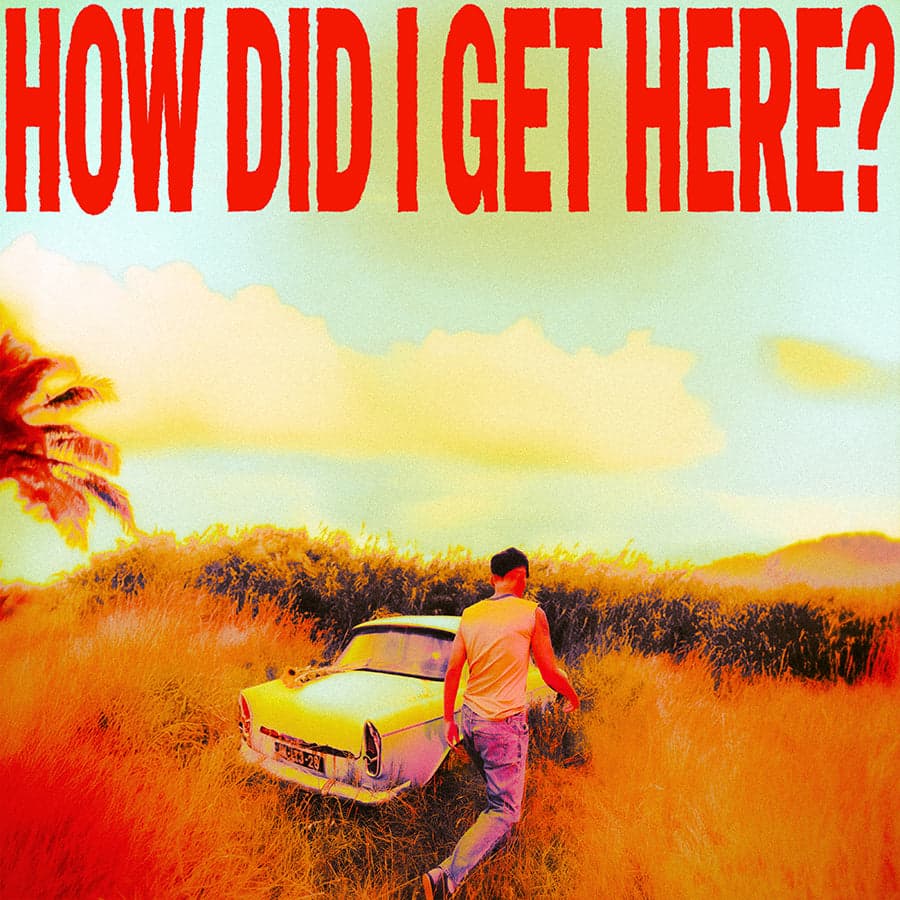
Louis Tomlinson has released his third studio album, How Did I Get Here?, which showcases a newfound confidence and self-awareness. The album, arriving after his previous works, is a reflection on legacy, loss, and personal growth. Tomlinson wrote the record during a period of introspection, splitting his time between the tranquil English countryside and a creative retreat in Costa Rica. This setting allowed him to balance reflection with forward movement, resulting in a collection of tracks that are as much about understanding oneself as they are about celebrating life.
The lead single, Lemonade, introduces listeners to a brighter sound compared to Tomlinson’s earlier work. The song opens with an anthemic quality, yet retains a thoughtful restraint in its lyrics. It encapsulates the excitement of emotional possibilities, setting the tone for the album as it explores themes of connection and warmth rather than grand declarations. In this way, Lemonade captures Tomlinson’s evolving mindset, which prioritizes confidence and clarity in his self-expression.
Exploring Optimism and Restlessness
On the track Sunflowers, Tomlinson expresses a blend of optimism and restlessness, articulating a yearning for escape. He sings about being “sick and tired of smoking in the rain” while dreaming of a “temporary heaven.” This longing reflects a weariness yet remains hopeful, highlighting the importance of human connection as he seeks guidance through challenging times. The imagery of sunflowers, symbols of loyalty and admiration, redefines escape as an act of faith rather than mere avoidance.
The album further delves into Tomlinson’s creative period with tracks like Lazy and Imposter. Lazy immerses listeners in a sun-drenched psych-pop atmosphere, reminiscent of influences from artists like Tame Impala. Its playful harmonies and dreamlike quality reflect a laid-back mindset, while Imposter introduces a more complex self-awareness. The repeated refrain “I am the imposter” confronts feelings of insecurity, creating a contrast between comfort and unease that resonates throughout the album.
Nostalgia and Vulnerability
As the album progresses, nostalgia becomes a prominent theme, particularly in the track Palaces. Here, Tomlinson taps into a guitar-driven sound reminiscent of his earlier career while simultaneously allowing for a contemporary interpretation. The song captures the essence of home as a refuge, illustrating how familiarity can provide comfort without being confining.
The tempo slows with Last Night, which prioritizes atmosphere and emotional depth over anthemic release. This track reflects the softer melodies characteristic of One Direction‘s later ballads, transforming intimacy into a source of uncertainty. Tomlinson’s poignant question, “If this were the last night of our lives, will you tell me how you’re feeling?” touches on the fear of emotional incompletion, intensifying the stakes within the song.
In Broken Bones, Tomlinson ventures into darker territory, exploring chaos and resilience. The synth-led opening creates an off-kilter mood, with themes of danger and endurance emerging throughout the track. Here, damage is not portrayed as something to avoid, but rather as an experience to confront, emphasizing the idea that resilience is a deliberate choice.
The album concludes with Dark To Light, which strips away momentum to focus on grief and devotion. This track highlights Tomlinson’s emotional vulnerability, marking it as one of the most intimate moments on the album. Together, these songs illustrate a journey from recklessness to vulnerability, showcasing the artist’s willingness to engage with discomfort rather than seeking immediate resolution.
Overall, How Did I Get Here? demonstrates Tomlinson’s growth as both a lyricist and a songwriter. He confronts questions of identity and resilience, refining his craft without the need for reinvention. The album’s strength lies in its cohesive exploration of complex emotions, showcasing an artist who understands that personal growth can be a quiet, deliberate process. Critics have responded positively, with the album receiving an 8/10 rating from Shannon Garner, further solidifying Tomlinson’s place in the contemporary music landscape.