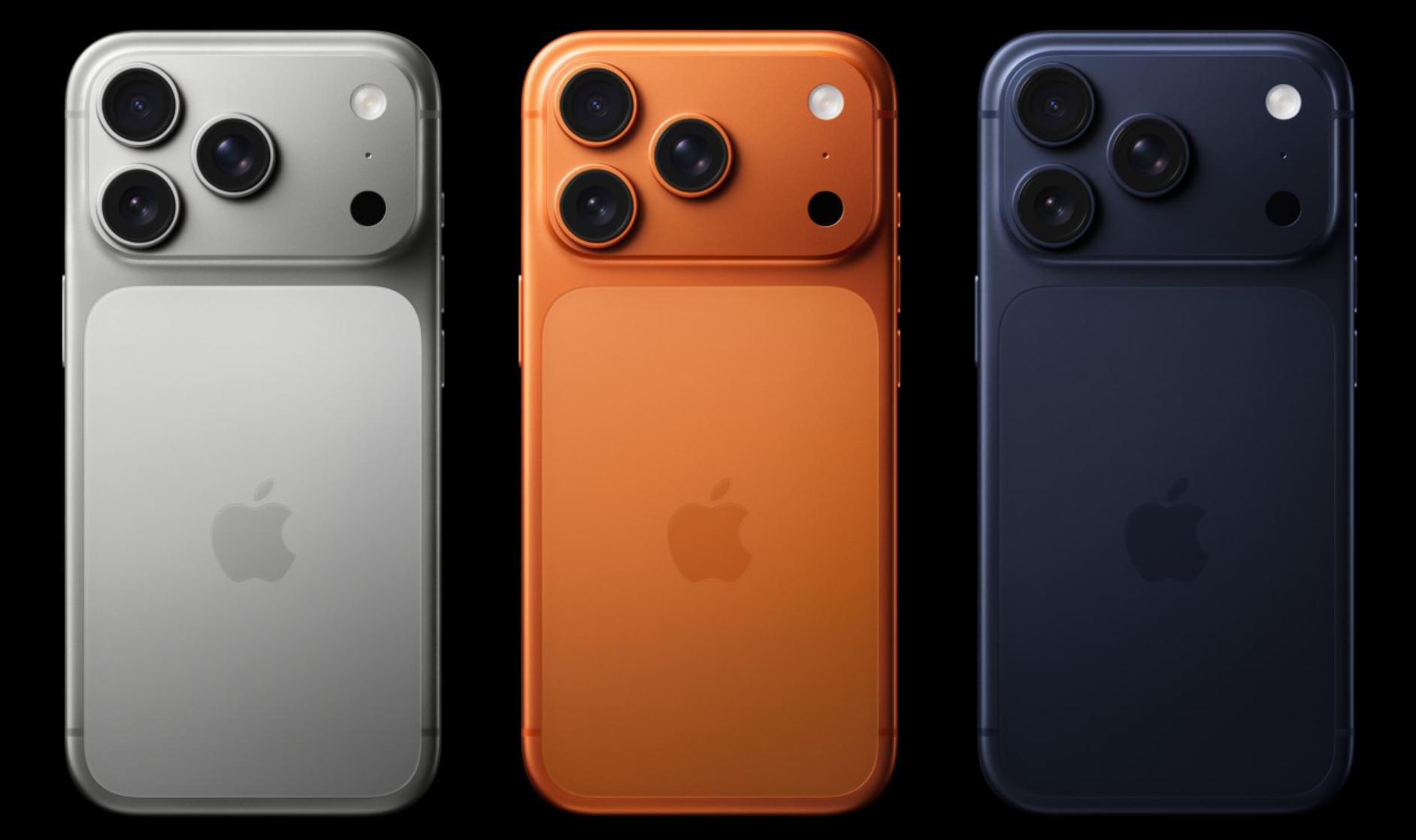
The iPhone 17 Pro made its broadcasting debut in the Major League Soccer (MLS) final between Inter Miami and Vancouver Whitecaps on March 15, 2024. This innovative partnership marks a significant step in how technology is integrated into sports coverage, utilizing mobile devices alongside traditional broadcasting equipment.
Four units of the iPhone 17 Pro were deployed to capture unique footage from behind the goals, providing dynamic angles and fan reactions that enhanced the viewing experience. These devices joined over 30 traditional cameras, demonstrating a blend of modern technology with established practices in sports broadcasting.
Technical Integration and Performance Testing
Prior to the final, MLS engineers conducted extensive tests on the iPhone 17 Pro, focusing on various metrics such as latency, thermal performance, and wireless stability. This rigorous vetting process was essential to ensure that the iPhone could seamlessly integrate into the professional broadcast workflow. Each camera feed from the iPhone was tagged with a “Shot on iPhone” label, allowing viewers to appreciate the device’s capabilities in real-time.
The choice of the iPhone for this event was driven by its ProRes workflow, which enables producers to color-match the footage from the iPhone with that of traditional broadcast cameras. While the iPhone may not yet rival high-end broadcast equipment in terms of image quality or streaming reliability, its compact size and mobility offer producers unique angles that are often difficult to achieve with larger cameras.
Marketing and Fan Engagement Opportunities
Beyond its technical capabilities, the use of the iPhone in the MLS final presents significant marketing advantages for Apple. The visibility of the “Shot on iPhone” tag during a major sports event captures the attention of fans, reinforcing Apple’s position as a leader in smartphone technology.
The iPhone’s popularity and affordability make it an attractive option for sports organizations looking to enhance fan engagement without incurring the high costs associated with traditional camera setups. While it may not fully replicate the features of advanced broadcast cameras, the ability of a handheld device to capture critical moments in sports is a notable advancement in the industry.
In conclusion, the integration of the iPhone 17 Pro into the MLS broadcast not only showcases technological innovation but also reinforces the potential for mobile devices to play a critical role in how sports are covered and experienced by fans around the world.