Elvis Presley’s last performances have come under scrutiny, with former girlfriend Linda Thompson describing them as “horrifying to watch.” In the years leading up to his untimely death on August 16, 1977, the iconic musician faced significant health challenges that affected both his physical appearance and stage presence.
After achieving a remarkable transformation for the 1973 special Aloha From Hawaii, Presley’s decline was stark. Between 1974 and 1976, he performed nearly 400 concerts, but by 1977, he was battling serious health issues, including liver damage, glaucoma, an enlarged colon, and high blood pressure.
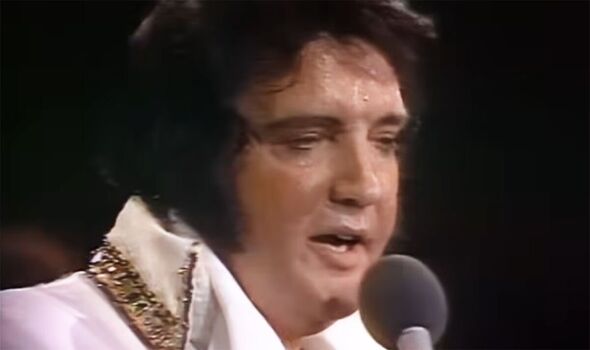
Thompson, who dated Presley for four years, ended their relationship around Christmas in 1976, seeking a more stable life away from the pressures of fame. During his final tour in 1977, Presley’s manager, Colonel Tom Parker, arranged for a third and final television special. Titled Elvis in Concert, it included footage from concerts in Nebraska and South Dakota on June 19 and 21.
The special aired on CBS on October 3, 1977, two months after Presley’s death, but has never been commercially released. The Elvis estate later stated that, due to Presley’s declining health, he was not at his best during the filming. Despite this, the footage contains “some truly brilliant moments.”
In the 2017 documentary film The King, Memphis Mafia member Jerry Schilling criticized the decision to film Presley in such a state, stating, “How could you let him be filmed looking like that?”
Thompson reflected on her shock as she watched the special, saying, “Oh my god, this is not even the same man that I said goodbye to eight months ago. It was horrifying to me to watch.” Despite his struggles, some performances, particularly of the song “Unchained Melody,” showcased Presley’s enduring talent. His pianist, Tony Brown, remarked that the song seemed to evoke deep emotion from Presley, calling it “the greatest performance he’d ever done.”
However, not all of the final shows were memorable for positive reasons. Priscilla Presley, Elvis’s ex-wife, noted that his last performances were difficult to watch, stating, “Sometimes he didn’t get through a song. I think the last year, he was pretty much over it.”
Rock and roll writer Nik Cohn added that the pressures of fame took a toll on Presley. He described the situation: “Night by night it became harder for him to carry on being Elvis. Drugs and self-destructiveness were all punishments.”
Despite the challenges, Presley found fulfillment in the love and admiration from his fans. Cohn emphasized that, even in pain, Presley was dedicated to giving joy to his audience. “He was in great pain and yet he would give so much pleasure,” Cohn noted. “He would go off stage and collapse and the audience would go out…joyous; spiritually blessed.”
Elvis Presley’s legacy continues to be a complex tapestry of talent, fame, and personal struggle. His life and career serve as a poignant reminder of the toll that celebrity can take, especially as he passed away at the young age of 42, following a heart attack at Graceland.