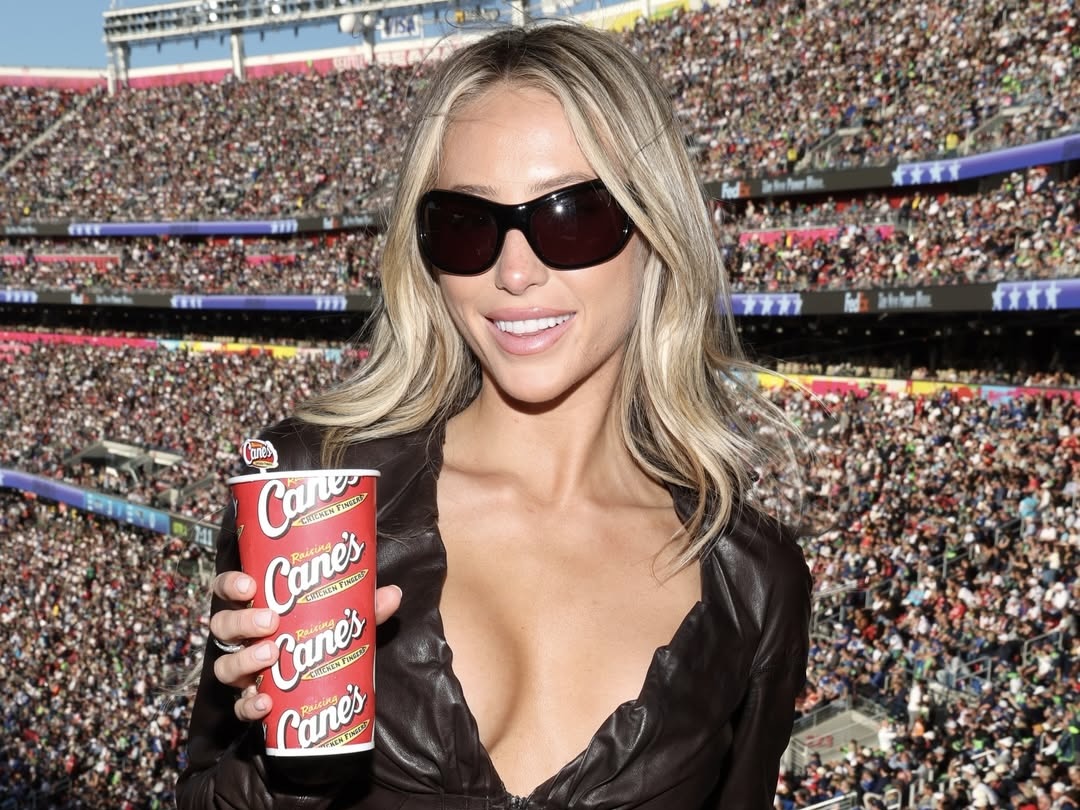
Alix Earle, a social media influencer and rumored girlfriend of former NFL star Tom Brady, has sparked controversy following her appearance during the Super Bowl LVIII halftime show featuring Bad Bunny. The performance, which took place on September 10, 2023, at Levi’s Stadium in Santa Clara, California, was met with mixed reactions, particularly directed at Earle, who many criticized for her presence on stage.
Bad Bunny, known for his vibrant reggaeton music, captivated the audience with a dynamic medley that celebrated Puerto Rican culture. Against this backdrop, Earle’s presence became a focal point of discontent among viewers. Many took to social media to express their bewilderment at how she had been included in such a culturally significant moment.
Earle, who has built a substantial following on platforms like TikTok, was not part of the cultural narrative that Bad Bunny represented. Critics pointed out that her appearance felt out of place, particularly as she was one of the few white faces on stage during a performance deeply rooted in Latin heritage. Social media reactions ranged from confusion to outright anger, with one user questioning, “Why is Alix Earle on the halftime stage?” while another remarked, “Get Alix Earle the hell off my screen.”
This backlash intensified when Earle’s family connections came under scrutiny. Her father, Thomas “TJ” Earle, has been rumored to have ties to Republican politics, leading some to label her as part of the “MAGA” milieu. The criticisms were further fueled by resurfaced posts from her teenage years, where she had used racially insensitive language. In response, Earle issued an apology on Instagram, stating, “I am taking accountability and want to make clear that I was 13 years old and did not understand the deeply offensive meaning behind that word.”
The criticism directed at Earle highlights the ongoing cultural tensions in a divided America. Many feel that her presence during Bad Bunny’s performance was an affront to the struggles faced by Puerto Ricans and Latinos, particularly in the wake of Hurricane Maria and ongoing issues of representation. Observers noted that Earle’s appearance felt like a superficial inclusion that diluted the authenticity of the moment.
Rumors about her relationship with Brady also fueled speculation regarding her inclusion in the show. Some commenters suggested that his influence may have played a role, with one remarking, “It’s more likely that Tom Brady pulled strings for them to let her be on stage.” While Brady has remained silent on the matter, the connection has only added to the discourse around Earle’s appearance.
Halftime shows have increasingly become platforms for social commentary, often reflecting broader societal issues. Bad Bunny’s performance was no exception, serving as a celebration of cultural resilience. However, Earle’s presence shifted the focus away from the intended message and became a point of contention, with many viewing it as a representation of ongoing cultural appropriation and privilege.
As the internet continues to dissect the event, the implications of Earle’s appearance extend beyond a simple performance misstep. It serves as a reminder of the fragility of public perception in an era where social media amplifies every misstep. In a cultural landscape where authenticity is paramount, Earle’s experience underscores the complexities surrounding fame and representation.
The conversation surrounding her presence during the Super Bowl halftime show is likely to persist, illustrating how quickly public opinion can shift and how closely fame can be scrutinized.