The University of Wolverhampton has submitted a proposal to Wolverhampton Council to transform the former administrative headquarters of the Springfield Brewery into a new engineering centre, following the planned closure of its Telford campus in August 2024. This initiative is part of a larger restructuring effort that has stirred controversy among stakeholders and local communities.
The decision to close the Telford campus aligns with the university’s strategic shift, which includes the recent closure of its sports centre at the main Wolverhampton campus to pave the way for a new medical school. This move highlights the university’s commitment to expanding its academic offerings while also raising concerns about the impact on students and staff associated with the Telford location.
In a significant development regarding the university’s infrastructure, plans to demolish the historic School of Art building, located at the intersection of Stafford Street and Ring Road St Peter’s, were thwarted last week when the structure was granted Grade II Listed status. This designation secures the building’s preservation due to its architectural significance, and it reflects a growing recognition of the importance of maintaining historical landmarks within the community.
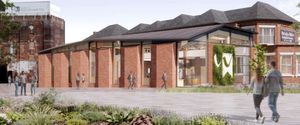
The proposed engineering centre will involve the renovation of Block A, the 19th-century head office of the former brewery. This renovation is set to enhance the university’s engineering capabilities while also respecting the building’s historical context. The plans include the demolition of a less sympathetic 1940s extension at the rear, which will be replaced with a larger, modern facility designed to serve as a workshop for engineering students.
As the university navigates these changes, it aims to address community concerns while fostering an environment that supports innovative education in engineering. The renovation of Block A is seen as a vital step in revitalizing the area and providing students with state-of-the-art facilities that align with contemporary engineering practices.
The university’s leadership remains optimistic about the future of the engineering faculty, asserting that the new centre will enhance educational opportunities and contribute positively to the local economy. As the transition progresses, stakeholders will be closely monitoring the impact of these developments on the university’s broader strategic goals and community relationships.