The plight of over 8,000 children in temporary accommodation in Greater Manchester has come to light, highlighting the challenges families face when commuting to school. For some, like Tosin Balogun and her two children, the journey can be not only long but also fraught with stress. Three years ago, the Balogun family was forced out of their home in Gorton, leading them to a temporary residence in Stretford. This six-mile trip to school now requires a complicated and time-consuming bus journey.
Tosin, a 42-year-old health care assistant, recalls how the family had “no option” but to take two buses for the commute. “We used to leave home at 6:30 am to get to school by 8:15 am,” she explained, emphasizing the difficulties of crowded buses and the need to switch buses at Piccadilly Gardens. The experience took a toll on her children, with her daughter, now 18, and her son, 15, facing unnecessary stress during their formative school years.
Despite their circumstances, the Baloguns were ineligible for free transport to their school, Manchester Communication Academy. Government guidelines specify that children qualify for free transport only if they live more than two miles from school and no suitable school is closer. Given the density of schools in Greater Manchester, it is nearly impossible for families to meet these criteria without facing long commutes.
As the situation escalates, parents like Tosin are left with two difficult choices: pay for bus fares or transfer their children to a different school. Tosin opted to continue paying for the commute, which can amount to a substantial cost. The Manchester Evening News has highlighted this issue, advocating for a free bus pass for children living in temporary accommodation that is more than a 30-minute walk from school. This campaign has garnered support from eight Greater Manchester MPs, including six from the mayor’s Labour Party, as well as various charities and concerned residents.
In response to the growing concern, Manchester Communication Academy has started subsidizing bus fares for some homeless children after learning about the Balogun family’s struggles. They utilize a £10,000 grant from the Greater Manchester Mayor’s Charity to cover costs for bus tickets and support for newly homeless families in the vicinity.
On December 3, 2023, Mayor Andy Burnham expressed sympathy for families facing such hardships during a public address. However, he did not commit to implementing the proposed bus passes. “What might open the door is we are moving to a more interventionist space as a combined authority,” he stated, referring to discussions about utilizing vacant properties to ease the burden of temporary accommodation costs.
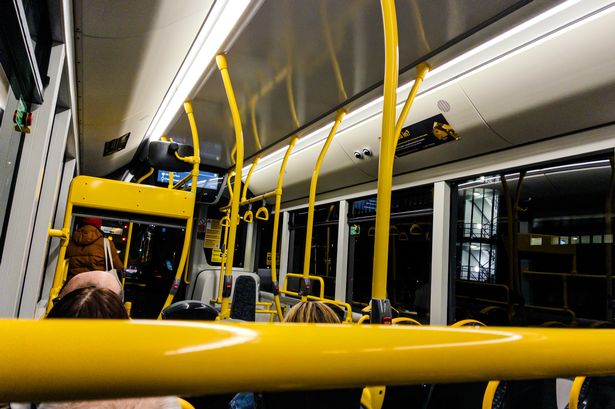
The commute itself poses further challenges. Early mornings in Stretford can be cold and chaotic. With the A56 bustling with traffic, the 255 and 263 buses provide the primary means of transport, taking approximately half an hour to reach central Manchester. Yet, delays and overcrowding can exacerbate the anxiety students face about arriving on time.
Once at Piccadilly Gardens, the atmosphere can be overwhelming. Crowds, police presence, and the scent of cannabis contribute to a hectic environment. After transferring to the second bus at Shudehill, students must arrive at Manchester Communication Academy by 8:25 am to qualify for a free breakfast, adding to the pressure of timely arrivals.
Tosin noted that if forced to repeat the journey now, she would be spending at least £5.33 per day for transportation, based on current pricing for adult and child monthly passes. While recent changes to transport pricing, such as the introduction of hopper fares, have made it easier for families to afford bus rides, the reality remains stark. Homeless parents are still required to spend approximately £40 a month simply to ensure their children can attend school.
For many, including Tosin and the eight MPs advocating for change, the current situation feels unjust. As the city approaches the holiday season, the Manchester Evening News continues to urge Mayor Burnham to reconsider transport policies for vulnerable families. The ongoing challenges of commuting for thousands of children highlight the urgent need for systemic changes to support those facing homelessness in Greater Manchester.