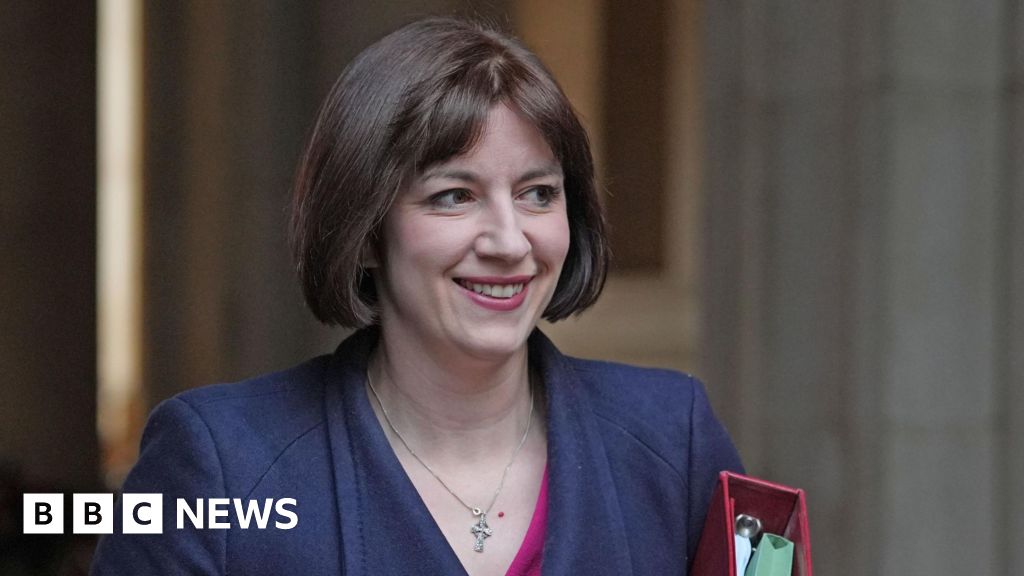
In a significant shift in educational policy, Education Secretary Bridget Phillipson has mandated that all schools in England adopt a strict phone-free environment throughout the school day. In a letter addressed to schools, which was obtained exclusively by the BBC, Phillipson stated that it is “not appropriate for phones to be used as calculators, or for research during lessons,” highlighting a comprehensive ban that extends to break times and lunchtimes.
Phillipson confirmed that Ofsted, the Office for Standards in Education, Children’s Services and Skills, will now be inspecting schools to ensure compliance with the new mobile phone policies. Teachers have also been instructed not to use their phones in front of students. This directive comes in light of a previous guidance issued by the Conservative government in February 2024, which Phillipson criticized for lacking the necessary clarity and consistency for effective implementation.
Government Response to Rising Concerns
The enhanced guidance from the government, issued last week, aims to eliminate ambiguity regarding mobile phone usage in schools. Phillipson remarked that the new policy intends to be “explicit” in prohibiting phone use among students during school hours. This letter follows the announcement of a three-month consultation on the potential ban of social media for all under-16s in the UK. Phillipson has encouraged educators to share their professional insights during this consultation.
In response to the government’s actions, Kemi Badenoch, leader of the Conservative Party, has indicated that her party would support such a ban if returned to power. The recent announcements also include stricter guidelines from Ofsted, advising school staff to refrain from using their devices for personal matters in front of students.
Research conducted by the survey tool Teacher Tapp revealed that 86% of primary school teachers reported being permitted to use their phones during breaks, while 44% of secondary school teachers enjoyed more freedom regarding phone usage. Surprisingly, only 2% of teachers at both primary and secondary levels indicated that their schools enforced a complete ban on phone use during the school day.
Reactions from Education Leaders
Teaching unions have largely welcomed the social media consultation but criticized the notion of Ofsted monitoring mobile phone policies. Paul Whiteman, general secretary of the National Association of Head Teachers, expressed concerns that school leaders require support from the government rather than the threat of stringent inspections.
The Association of School and College Leaders echoed these sentiments, stating that the government has been “sluggish” in addressing online risks faced by children. Although the consultation on social media usage pertains to the entire UK, the updated guidance for schools on mobile phone policies applies solely to England, given that education is a devolved matter.
In Wales, the Senedd previously declared that phones should not be banned outright, advocating for schools to be empowered to develop and implement their own policies. Meanwhile, in Northern Ireland, Education Minister Paul Givan has recommended restrictions on mobile phone usage in schools and recently supported a campaign urging parents to delay purchasing smartphones for their children until they reach 14 years of age. In Scotland, schools have received government guidance to establish their own regulations, such as requiring students to hand in their phones before lessons or prohibiting their use during school trips.
The evolving landscape of mobile phone usage in schools reflects a growing concern around the impact of technology on education and child development. As schools navigate these new regulations, the emphasis remains on creating an environment conducive to learning while addressing the challenges posed by mobile devices.