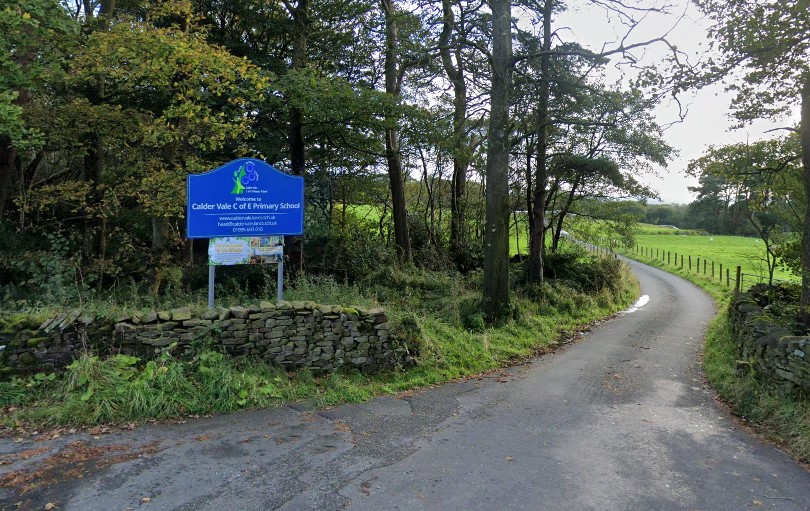
Recent data has highlighted the 15 lowest-performing primary schools in Lancashire, based on the latest educational scores released by the Department for Education. This list, which has drawn attention from local communities and educational stakeholders, showcases the schools that are facing challenges in delivering quality education.
The information, relevant as of June 2023, serves as a critical indicator of educational performance and raises discussions about the support and resources needed for improvement. Each school is evaluated based on various metrics, including standardized test scores and overall student achievement, as assessed by Ofsted.
Overview of the Schools
The data reveals a significant variation in performance across the region. The schools identified in this report have been struggling to meet the national benchmarks, which typically include student proficiency in key subjects such as mathematics and English. This situation has prompted calls for enhanced educational strategies and increased funding to aid these institutions in their improvement efforts.
Among the schools mentioned, some have been consistent underperformers, while others have shown a decline in scores over recent years. This trend has raised concerns among parents, educators, and local authorities regarding the educational landscape in Lancashire.
Implications for Students and Communities
The impact of low-performing schools extends beyond academic scores. Students attending these institutions may face limited opportunities for advancement, which can affect their future prospects. Furthermore, communities surrounding these schools often experience socio-economic challenges that can hinder educational success.
In response to these findings, local education authorities are expected to implement targeted interventions aimed at boosting school performance. These may include professional development for teachers, resource allocation, and partnerships with higher-performing schools to share best practices.
The disclosure of this list is part of a broader initiative to improve educational standards across the UK and ensure all children receive a high-quality education, regardless of their school’s current performance level. As discussions continue, it will be crucial for stakeholders to collaborate effectively to address the issues faced by these institutions.
As the situation evolves, parents and community members are encouraged to engage with school leadership and local educational bodies to advocate for positive changes. The goal is clear: to uplift the educational experience for every child in Lancashire and foster an environment where all students can thrive.