In Blackpool, a significant rise in home education has emerged, with approximately 2.6 percent of children now being educated outside of traditional schools. This figure translates to about one in every 50 children in the area, reflecting a broader national trend. Recent data indicates that the number of home-schooled children in England increased by 38 percent over the past two years, from 80,900 in 2022-23 to 111,700 in 2024-25.
Local officials have voiced serious concerns regarding this rise, attributing it to factors such as anxiety, bullying, and socioeconomic deprivation. Blackpool, known for its high levels of poverty, is among the most deprived areas in the UK, with nearly 38 percent of its residents living in low-income households. The employment rate in the region stands at 69.7 percent, lower than both national and regional averages.
Concerns Over Educational Quality and Inequality
Victoria Gent, the director of children’s services at Blackpool council, expressed apprehension about the implications of such a high rate of home education. She noted, “While many families who choose elective home education do so thoughtfully and provide a positive learning environment, the overall scale and concentration of children out of school in Blackpool remains a significant concern. This can deepen existing inequalities and increase the likelihood that disadvantaged children fall further behind.”
The council’s data revealed that the majority of children opting for home education come from the most deprived wards in Blackpool. A survey conducted by Ofsted in 2019 highlighted that 87 percent of teachers believed that students most likely to be withdrawn were those facing behavioral issues. Additionally, 70 percent noted low academic achievement as a contributing factor, while 53 percent identified students with special needs.
Parents in England are required to notify their child’s school when opting for home education, which then informs the local authority. Although councils are not empowered to conduct regular home inspections, they are expected to check on families at least once a year to ensure that core subjects are being adequately taught.
Personal Experiences and Legislative Changes
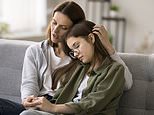
Individuals such as Pete Summers, a plumber from Blackpool, have taken matters into their own hands. He has been home schooling his 16-year-old daughter, Tilly, for two years due to her struggles with panic attacks and anxiety. Summers shared that the process of withdrawing her from school was surprisingly straightforward, stating, “I thought I would have to drag Tilly into school, that there’d be loads of paperwork and visits and things, but there was nothing. It was literally, ‘I’m taking her out’ and they said, ‘OK.’”
The tragic case of Sara Sharif, a ten-year-old girl who was murdered in 2023 after being withdrawn from school, has prompted calls for stricter regulations. In response, the Children’s Wellbeing and Schools Bill, currently under consideration in the House of Lords, aims to establish a register for home-schooled children. This legislation would require parental notification to local authorities for families involved in child protection inquiries before they can withdraw their children from school.
As the landscape of education continues to evolve in Blackpool and beyond, the implications of these changes remain profound. Concerns over mental health and the adequacy of educational resources highlight the need for a comprehensive approach to address the challenges faced by families in vulnerable situations.