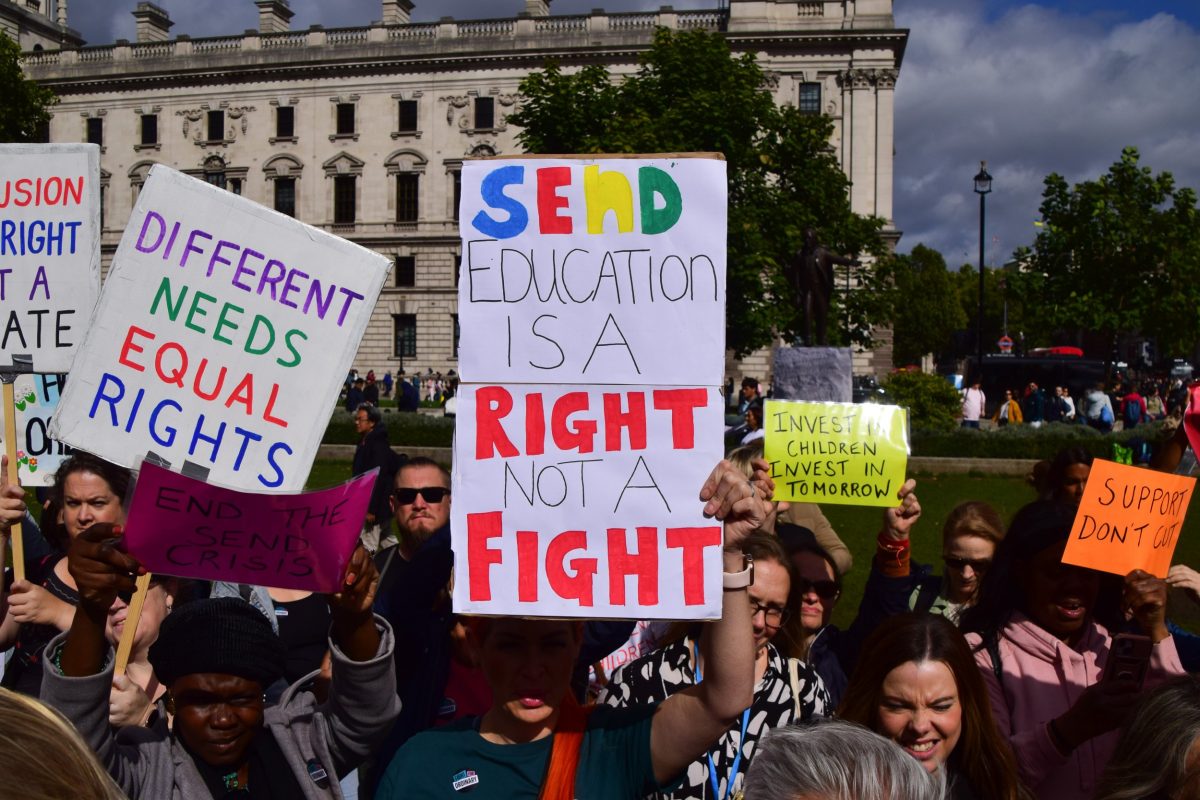
Protests against English language classes are escalating as anti-immigration groups focus on educational initiatives designed for migrants. On November 24, 2025, a protest occurred outside a primary school in Glasgow against an Esol (English for Speakers of Other Languages) class aimed at parents of students at the school. Protesters, carrying placards with messages like “protect our kids,” expressed concerns that these classes posed a danger to children.
The protest was organized by the Spartan Child Protection Team, a group that identifies itself as a vigilante “paedophile hunter” organization. Just three weeks prior, the group raised alarms about an Esol class being held in a community learning center near a primary school in Renfrew. Following their outcry, Renfrewshire Council halted the classes, reflecting a growing trend across Scotland where similar anti-immigration groups have voiced “safeguarding concerns” over the proximity of migrant adults to schools.
In response to the protest at Dalmarnock Primary School, the Glasgow City Council issued a firm statement defending the significance of Esol classes in the community. The council condemned “racism or bigotry of any kind” and labelled the protest as “misguided and toxic.” A spokesperson emphasized, “We will also not tolerate strangers and vigilante groups coming into our schools claiming to keep children safe when they have a clear hidden agenda to incite fear and alarm by spreading misinformation.”
The tension surrounding Esol classes is not limited to Scotland. Andrea Jenkyns, the Reform mayor of Greater Lincolnshire, has recently gained legal approval to withdraw funding for Esol classes, intending to redirect the budget to local residents. This move reflects a broader pattern over the past 15 years where Esol education has increasingly become politicized within the context of immigration debates.
The politicization of language education began under David Cameron’s Conservative government, which emphasized English language acquisition as a key marker of “integration.” Simultaneously, funding for Esol programs was dramatically reduced, with cuts reaching up to 32% from 2009 to 2011. Cameron’s policies faced criticism from various political figures and community groups, particularly for allegedly stigmatising Muslim women as potentially radicalized by suggesting that English classes could combat extremism.
The current government’s policies echo those of the past. The Labour party’s white paper released in May 2025 on immigration control underscores the importance of English language skills for integration, proposing increased language requirements for visa holders and permanent residents. Critics argue that placing the burden of language acquisition solely on migrants, without adequate support resources, undermines effective integration.
Research indicates that due to years of funding cuts, waiting lists for Esol classes in publicly funded colleges have surged. Community organizations, faith groups, and migrant support charities have stepped in to offer informal, often volunteer-led classes, but these efforts are insufficient to meet the growing demand.
Community centres and schools remain vital venues for both formal and informal Esol classes. These settings not only provide accessible language education but also help migrant parents connect with their local communities. As the sector continues to face significant underfunding, Esol teachers have reported increased workloads and burnout, raising alarms about the potential consequences of further cuts to Esol provision.
Many educators I have spoken with express deep concern over the political climate and its potential impact on their students. Esol classes have become more than just language instruction; they serve as crucial support systems for newcomers seeking stable employment and community integration. With anti-immigration rhetoric intensifying, many teachers feel compelled to advocate for Esol programs and the migrants they serve.
Some educators are taking action to protect Esol provisions and counter anti-immigration narratives. Initiatives like Educators for All aim to reject the “racist campaigns” targeting schools across Scotland. Inspired by historical efforts such as the Glasgow Campaign to Welcome Refugees, which emerged in the early 2000s when Glasgow became a dispersal city for refugees, modern advocates are working to unite communities in the face of rising tensions.
The ongoing situation reflects a broader struggle within the Esol sector, where educators and community members alike are rallying to defend the vital services that support migrants, refugees, and asylum seekers. As protests continue, the future of Esol education hangs in the balance, caught in the crossfire of a divisive political landscape.