In 2025, linguistic experts revealed a series of remarkable insights into the evolution of language. These findings, drawn from comprehensive studies and extensive analyses, offer a glimpse into how words and phrases have transformed in contemporary usage. The discoveries not only highlight the dynamic nature of language but also reflect cultural shifts across the globe.
New Words and Trends Emerged
According to the Oxford English Dictionary, over 1,500 new words were officially added to the English lexicon in 2025. This surge underscores the ongoing evolution of language, driven largely by technology and social media. Words like “doomscrolling,” which describes the act of continuously consuming negative news, and “metaverse,” referring to virtual environments where users interact, gained significant traction. Each term reflects changing societal behaviors and the growing influence of digital platforms.
Furthermore, research from the Global Language Monitor indicated that slang and informal language usage have skyrocketed, particularly among younger demographics. Phrases such as “cheugy,” which describes something that is out of date or trying too hard, have become commonplace in everyday conversations. This trend illustrates how language continually adapts to align with generational shifts and cultural nuances.
The Rise of Inclusivity in Language
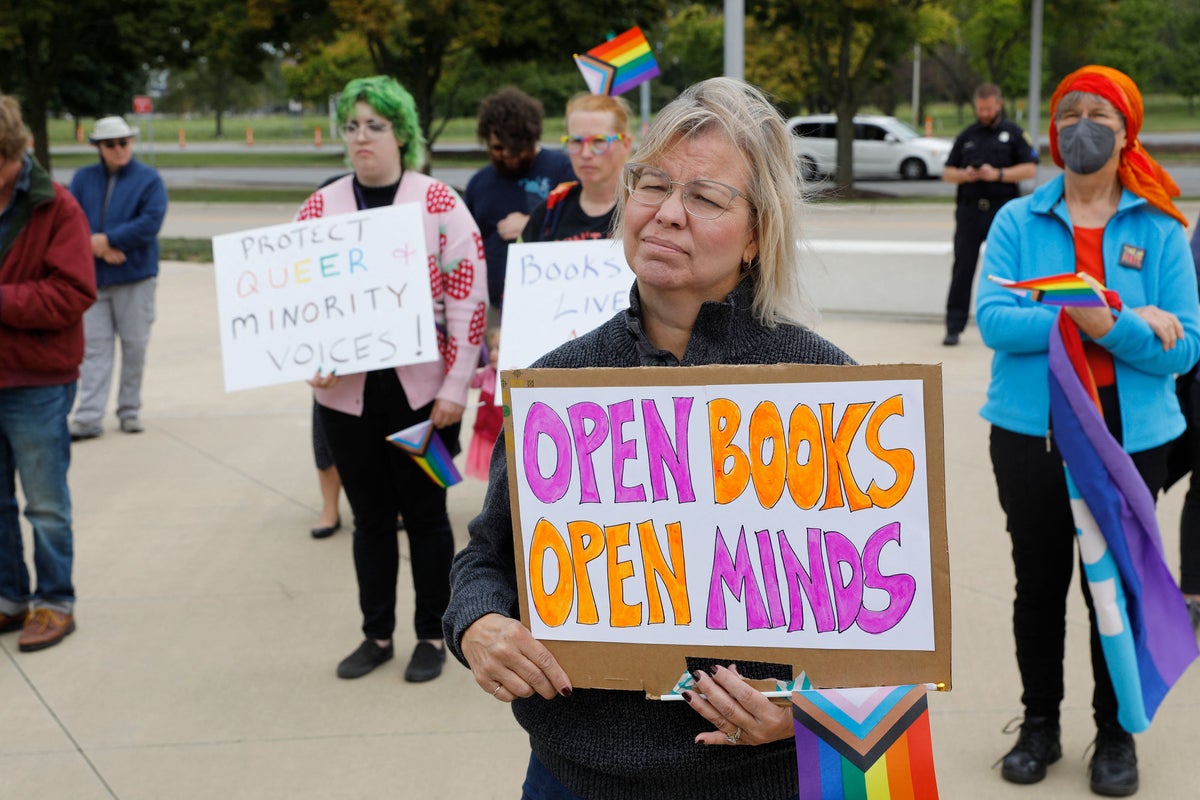
2025 also marked a notable increase in the use of inclusive language. Institutions like the Cambridge Dictionary emphasized the importance of gender-neutral terms, reflecting a wider societal push for equality. The adoption of terms such as “they” as a singular pronoun has gained prominence, ensuring that language accommodates diverse identities. This shift has prompted many organizations to reevaluate their communication strategies, ensuring they align with contemporary values of inclusivity and respect.
The English Language Institute reported that educational institutions are now incorporating these changes into their curriculums. Teachers are encouraged to embrace these evolving language norms, preparing students for a world where communication is increasingly diverse and inclusive. This educational shift aims to foster understanding and acceptance among students from various backgrounds.
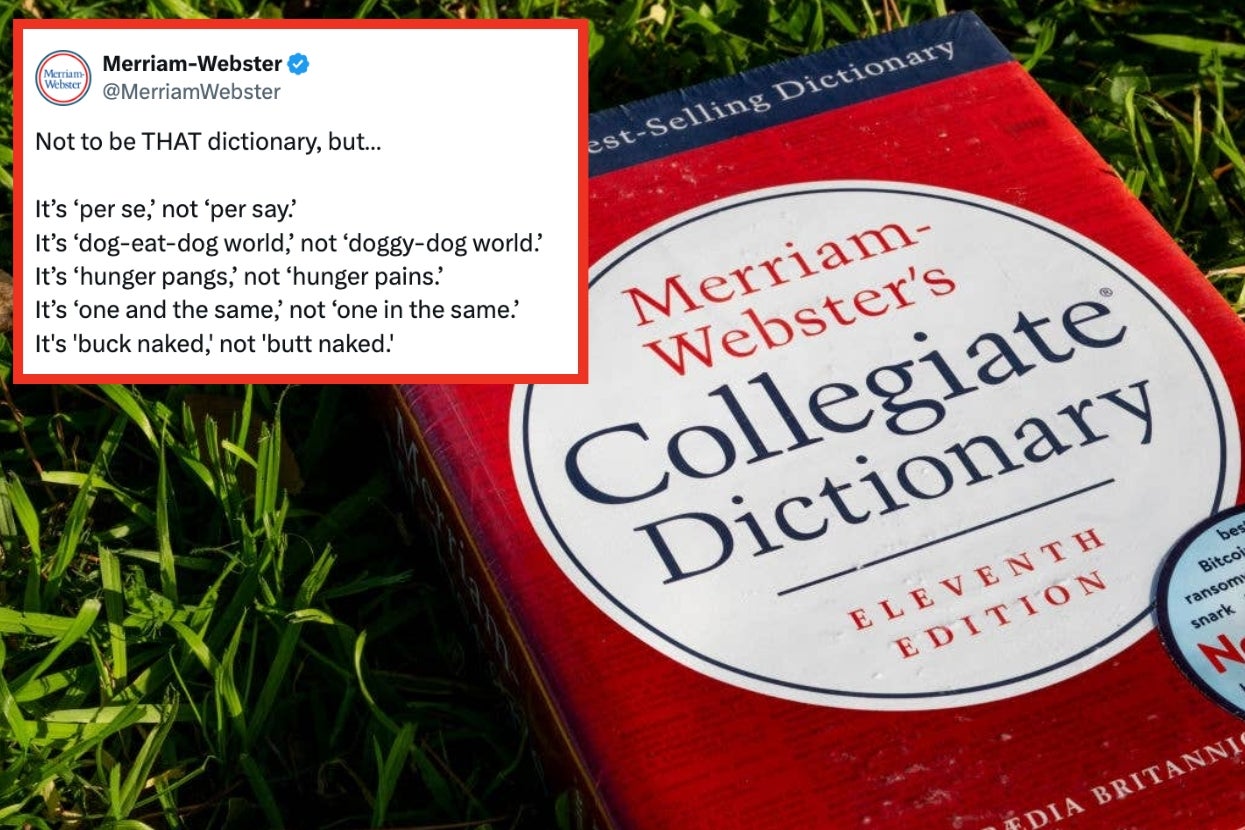
In addition to these developments, the Merriam-Webster dictionary highlighted a surge in the popularity of neologisms, which are newly coined terms or expressions. The rise of remote work during the pandemic has led to phrases like “Zoom fatigue,” capturing the exhaustion resulting from excessive virtual meetings. Such terms reflect the practical realities of modern life and the need for language to adapt accordingly.
Overall, the linguistic landscape of 2025 reveals a vibrant tapestry of words and phrases that mirror shifts in technology, culture, and societal values. As language continues to evolve, it remains a powerful tool for communication and connection in an increasingly interconnected world. The findings from experts serve as a reminder of the dynamic nature of language and its ability to capture the essence of human experience.