The latest non-farm payrolls report reveals that the United States added significantly more jobs than anticipated in January 2024, with a total of 130,000 new hires compared to consensus forecasts of only 70,000. This stronger-than-expected employment data introduces uncertainty regarding the Federal Reserve’s plans for potential interest rate cuts later this year.
The employment figures suggest that while there are signs of reduced confidence in the US economy, many employers are adopting a positive outlook. Susannah Streeter, Chief Investment Strategist at Wealth Club, noted, “Even though confidence is seeping out of the US economy, employers are taking a glass-half-full approach and have taken on more staff than expected.” This resilience in job creation is particularly noteworthy given the disruptions caused by a recent partial government shutdown.
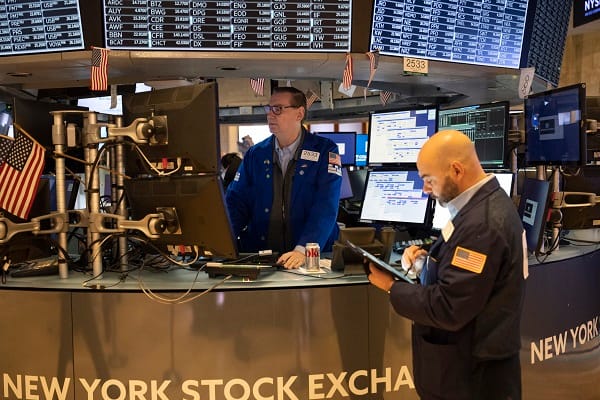
As a result of the surprising job growth, the FTSE 100—an index reflecting the performance of the largest companies listed on the London Stock Exchange—registered gains during afternoon trading. The optimistic outlook for the world’s largest economy appears to have buoyed international markets.
Despite the positive employment numbers, concerns remain, particularly among lower- and middle-income households, who are less optimistic about the economic outlook. Wealthier consumers, however, continue to support spending, which in turn contributes to job creation. This divide in consumer sentiment could have implications for economic growth moving forward.
Investors had anticipated a weaker jobs report, which would have likely led to increased expectations for interest rate cuts. The stronger numbers dampen those hopes, suggesting a more complicated path ahead for monetary policy. A higher interest rate environment typically affects the value of future earnings, placing pressure on high-growth firms. As a result, equity markets may react unevenly. Stocks that are closely tied to the overall health of the US economy are expected to experience gains, while the technology sector, already facing uncertainty related to artificial intelligence developments, may see a more subdued response.
Overall, while the January job numbers indicate a resilient US economy, the implications for interest rates and market dynamics remain complex and multifaceted.