The terminology used by airlines can often be confusing, with some calling themselves “airlines,” others “airways,” and some simply “air.” These naming conventions reflect historical influences and marketing strategies rather than differences in business models or services. Understanding these distinctions offers insights into how the aviation industry has evolved.
Historical Influences on Airline Naming
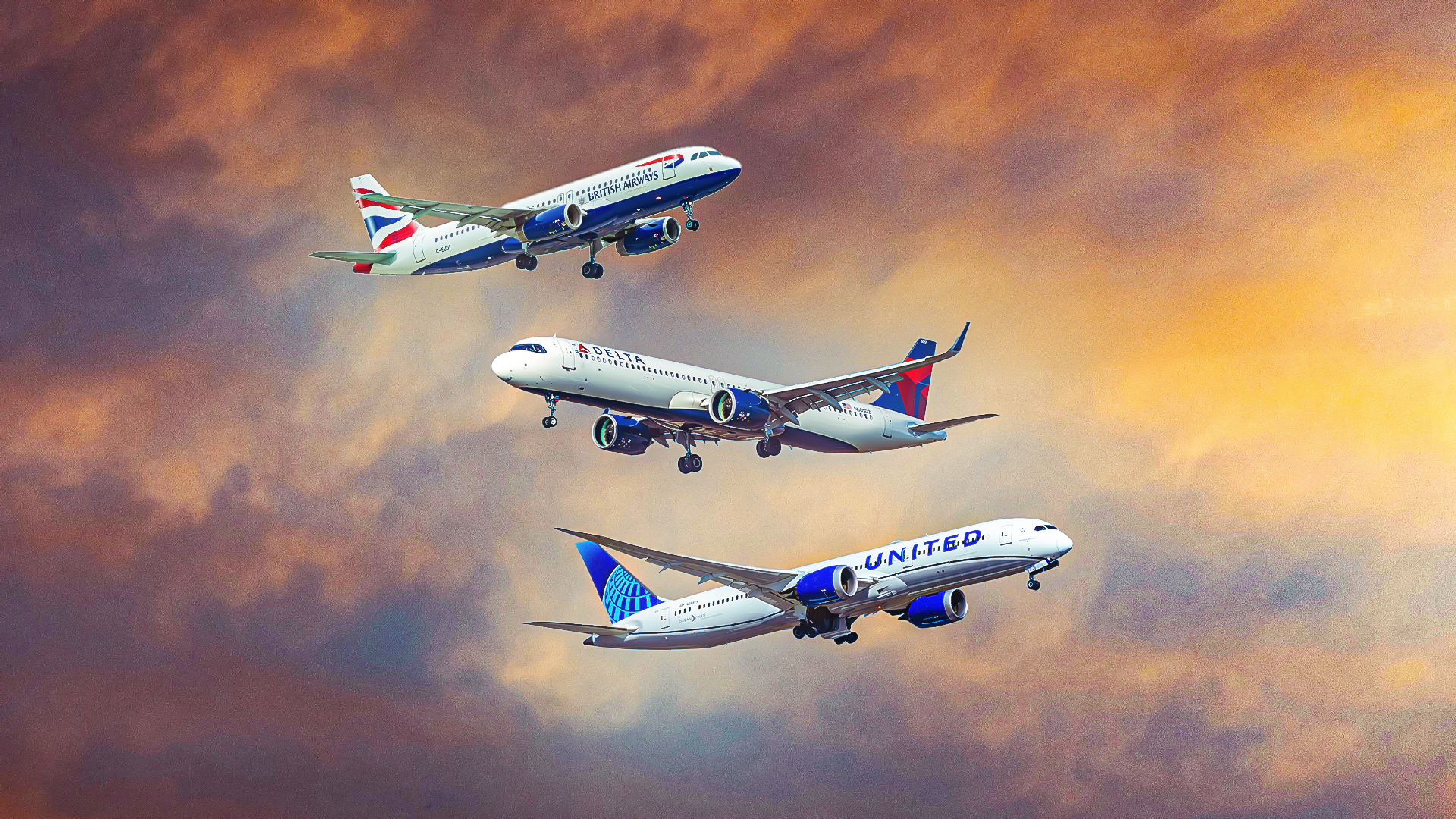
The names adopted by airlines can be traced back to earlier forms of transportation, particularly ocean travel and railways. As aviation emerged, many companies borrowed terminology from these established sectors. The term “liner,” used to describe ships on ocean routes, evolved into “airline” as air travel developed. For instance, American Airlines and Delta Air Lines are examples of airlines that utilize the “airlines” nomenclature.
In contrast, the term “airways” refers to the designated routes aircraft use in the sky, similar to how “railways” describes train routes. Notable carriers that have adopted this naming include British Airways and Qatar Airways. The choice between “airlines” and “airways” often comes down to branding and marketing preferences, rather than any substantive difference in services provided.
The Evolution of Spelling and Meaning
Spelling variations in names can also be traced back to historical practices. The term “air line” was once an accepted spelling, but as the industry matured, “airline” became the predominant form. Today, only a few airlines, such as Delta Air Lines, retain the older spelling as a nod to their heritage. This practice underscores the marketing strategy that emphasizes tradition and longevity within the competitive aviation landscape.
Another noteworthy aspect is the use of the term “air.” This straightforward word is widely recognized and serves as a clear indicator of the mode of transportation—airborne travel. Airlines such as Air France and AirAsia leverage this simplicity in their branding while others, like Aer Lingus, incorporate local language elements into their names.
Modern Naming Trends in Aviation
In today’s global aviation market, many airlines opt for English terminology in their names, reflecting the language’s status as the international standard for aviation. This trend is evident not only in the use of “air,” “airline,” and “airways,” but also in the adoption of various aviation-related words. For example, easyJet incorporates “jet,” while IndiGo uses “go,” demonstrating a creative approach to branding.
As the industry continues to grow, airlines are likely to explore new naming conventions that resonate with their target audiences. While historical influences play a significant role in shaping airline names, the future will likely see a blend of tradition and innovation.
Understanding the evolution of airline terminology provides valuable context for consumers and industry observers alike. It highlights a unique blend of historical significance and modern marketing that defines the aviation sector today.