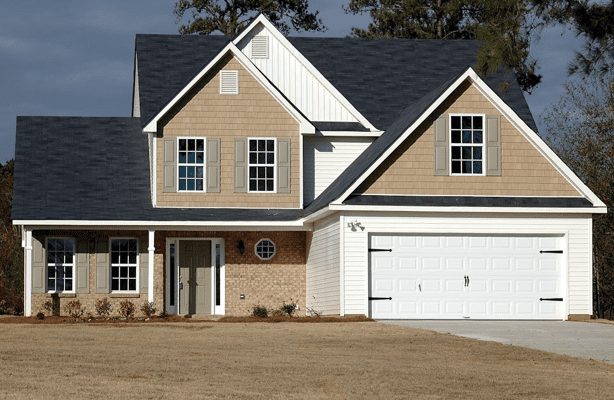
Siding plays a fundamental role in home construction, serving both protective and aesthetic functions. Homeowners looking to renovate or build new properties must grasp the intricacies of siding options, installation processes, and maintenance requirements. The right choice not only enhances a home’s visual appeal but also improves insulation, increases property value, and shields the structure from harsh weather conditions.
Exploring Siding Materials
Numerous siding materials are available, each with distinct advantages and disadvantages. Among the most popular is vinyl siding, favored for its affordability and minimal maintenance needs. It comes in a broad range of colors and styles, allowing homeowners to easily customize their homes.
Another strong contender is fiber cement siding, known for its durability and resistance to fire and insects. It mimics the look of wood while eliminating the risks associated with wood decay. While wood siding offers natural beauty, it demands more upkeep to prevent rot and pest issues. Metal siding is another option, praised for its longevity and suitability for modern architectural designs.
When selecting siding materials, factors such as climate, local regulations, and the home’s style should guide homeowners to ensure compatibility and performance.
Understanding the Installation Process
Proper installation is essential for maximizing the performance and lifespan of siding. The installation process typically begins with the removal of existing siding, allowing contractors to inspect the underlying structure for damage. Following this, a moisture barrier is installed to protect the home from water infiltration, which can lead to mold and rot.
After laying the moisture barrier, the chosen siding material is applied. This step requires precise measurements and cuts to ensure a seamless fit. Once the siding is in place, proper sealing is crucial for durability. Homeowners should consider hiring professional contractors, as errors during installation can result in costly repairs.
Searching for “home siding companies near me” can simplify the selection process, ensuring quality workmanship for the investment. With the right installation, siding significantly enhances curb appeal and provides lasting protection.
Cost considerations for siding projects vary widely based on materials, house size, and labor rates. On average, homeowners can expect to invest between $5,000 and $15,000 in siding installation. Vinyl siding often emerges as the most economical choice, while premium materials like fiber cement may incur higher initial costs but yield savings through their durability.
Maintenance and Energy Efficiency
Once installed, regular maintenance is vital for extending the lifespan of siding. Different materials require specific upkeep. Vinyl siding typically needs power-washing every few years to remove dirt and mold, while wood siding requires painting or staining to protect it from the elements. Neglecting maintenance can result in significant issues such as rot, mildew, or pest infestations.
Additionally, siding can enhance a home’s energy efficiency. Insulated siding provides extra thermal resistance, helping to lower heating and cooling costs. A well-insulated home contributes to a comfortable living environment throughout the year. The combination of quality siding and effective insulation can lead to substantial energy savings, making it a worthwhile investment.
Selecting the Right Contractor
Choosing a contractor for siding jobs can be a challenging task due to the multitude of options available. Homeowners should prioritize licensed and insured contractors with a solid community reputation. Online reviews can offer insights into the quality of work and customer service provided by contractors.
It is beneficial to request references and review past projects to assess a contractor’s capabilities. Obtaining multiple bids can ensure competitive pricing and that the services offered align with expectations. Ensuring the contractor is familiar with the specific type of siding required is equally important.
In conclusion, understanding siding is not merely about selecting materials; it encompasses various factors, including costs, maintenance, and impacts on property value. By sourcing reliable professionals for installation and considering all aspects of siding projects, homeowners can make informed decisions that enhance their living spaces and protect their investments.