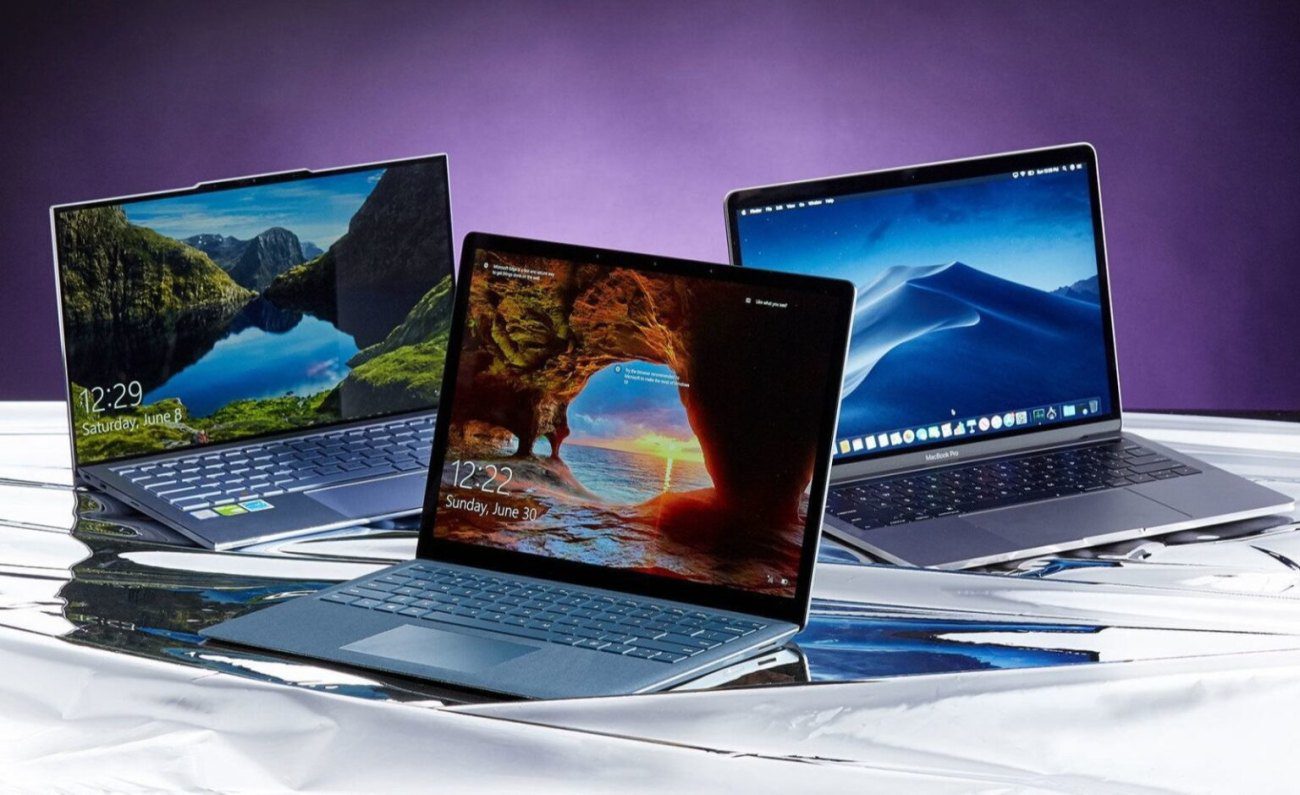
Laptop rental services are gaining traction as an efficient solution for businesses and individuals needing temporary access to technology. This trend is particularly evident among those attending conferences or requiring short-term equipment for specific projects. Understanding the associated costs and benefits is crucial for making informed decisions about laptop rentals.
Cost Factors in Laptop Rentals
The pricing of laptop rentals varies based on several factors. One of the primary determinants is the specifications of the device. Laptops with advanced features—such as enhanced processing power, increased memory, and superior graphics—typically command higher rental rates. For instance, high-profile brands like Apple and Microsoft Surface are known for their quality and performance, often resulting in premium rental costs.
The duration of the rental also plays a significant role in determining the overall price. Daily or weekly rentals often incur higher per-day charges compared to longer-term commitments. Renting for extended periods, such as six months or more, can lead to more favorable pricing, appealing to those who need a laptop for a substantial timeframe.
Additional expenses can arise beyond the basic rental fee. Potential costs to consider include security deposits, delivery charges, installation fees, and insurance. It is advisable to request a clear breakdown of all associated costs from the rental company to avoid unexpected financial surprises.
Advantages of Renting Laptops
Opting for laptop rentals comes with numerous advantages. One notable benefit is the access to the latest technology without the burden of a significant upfront investment. Whether for professional collaboration, academic purposes, or personal projects, renting ensures that users are equipped with the necessary tools without concerns about hardware compatibility.
Flexibility is another key advantage of laptop rentals. For individuals or businesses that require a laptop for a limited time, rental services provide a practical solution without the commitment of a long-term purchase. This is particularly beneficial for those who might need a device for just a few days, allowing them to sidestep the hassle of acquiring new hardware.
Moreover, many rental services offer maintenance and support, ensuring that the equipment remains in optimal condition throughout the rental period. This added service can be invaluable for users who may not have the technical expertise to troubleshoot issues independently.
In conclusion, laptop rental services present a compelling option for those requiring temporary access to quality technology. With various pricing structures and the flexibility to cater to diverse needs, they emerge as a cost-effective solution for both businesses and individuals. By understanding the cost components and advantages, users can make informed choices that best suit their requirements.