America’s workplaces are grappling with a significant crisis, as work-related injuries impose an annual economic burden of $176.5 billion, according to the National Safety Council (NSC). This staggering figure reflects the urgent need for improved workplace safety protocols, as highlighted by Industrial Safety Specialist Sebastián López Vivas. He emphasizes that many organizations are ill-equipped to identify systemic safety failures and implement effective preventative measures.
López Vivas, who has over a decade of experience in occupational health and safety, asserts that the lack of specialized skills in companies leads to repeated failures and increased injuries. He states, “Occupational safety is essential because it protects people, preserves operations, and strengthens an organization’s long-term stability.” The financial repercussions of neglecting safety protocols are evident in the NSC’s alarming annual loss figures, which underscore the pressing need for change.
The Importance of Safety Standard Assessments
A vital resource for improving workplace safety is the implementation of Safety Standard Assessments. López Vivas explains, “These are formal evaluations used to measure whether an organization meets required regulations, industry standards, and best practices for safe operations.” By identifying gaps before they escalate into incidents, these assessments play a crucial role in safeguarding workers.
He elaborates on the importance of these assessments, stating, “Occupational safety protects workers, strengthens operational reliability, reduces financial loss, and fosters a strong organizational culture.” Safety standard assessments help ensure compliance, identify hazards, and align safety programs with best practices and regulatory requirements.
Despite the clear benefits, workforce protection remains a low priority for many organizations. López Vivas attributes this to a fundamental misunderstanding of safety’s value. “Workforce protection is often overlooked not because it’s unimportant, but because its value is most visible only when something goes wrong,” he explains. This perception results in a lack of appreciation for the planning and resources required to maintain daily safety.
Challenges in High-Risk Industries
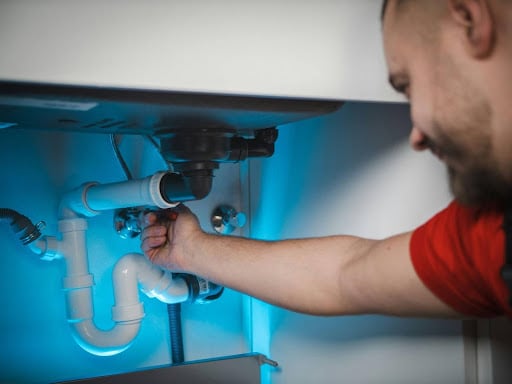
Certain industries, such as plumbing, exemplify the risks faced by workers. López Vivas categorizes plumbing as a high-risk profession, noting that it exposes workers to a unique mix of physical, chemical, biological, and environmental hazards. “Plumbers often work in confined spaces, hazardous atmospheres, and around uncontrolled energy sources, making the job inherently dangerous,” he says.
In sectors characterized by high-risk environments, such as construction and logistics, self-protection is crucial. “Protecting themselves requires training, hazard awareness, proper equipment, and disciplined safe-work behaviors,” López Vivas advises. He emphasizes that while hazards may vary across industries, the fundamentals of self-protection remain consistent.
Workers should prioritize understanding hazards before beginning tasks, conducting pre-task inspections, utilizing appropriate personal protective equipment (PPE), and maintaining situational awareness. “These core behaviors apply across all high-risk sectors,” he adds.
Preventing workplace injuries demands a comprehensive approach. “Injuries can be avoided through a combination of engineering controls, proper planning, training, and consistent safe behaviors,” he states. López Vivas identifies common hazards, including falls, electrical exposures, and confined spaces, which are prevalent in high-risk sectors.
About Sebastián López Vivas
Based in Miami, Florida, López Vivas is currently the Safety Manager at People’s Plumbing & Mechanical Inc., where he leads the Occupational Health and Safety management. Under his leadership, the company has maintained an Experience Modification Rate (EMR) of 0.7%, achieved through effective operational controls and behavioral safety programs that align with OSHA, NFPA, and local regulations.
His extensive experience includes roles as Occupational Health Coordinator at Atlas Seguridad in Cali, Colombia, where he developed the company’s OHS Management System, achieving 100% compliance in external audits. He has also served as Administrative and HSE Director at Wilfrios Ingeniería S.A.S and Operations Supervisor at XPO Logistics, where he notably redesigned inventory management systems to enhance efficiency.
With a Bachelor’s Degree in Business Administration and a Postgraduate Degree in Industrial Hygiene and Safety from Universidad Autónoma de Occidente, along with certifications as an Internal Auditor for ISO 9001, ISO 14001, and OHSAS 18001 standards, López Vivas combines strategic vision with technical expertise to drive safety excellence.
Ultimately, López Vivas’s insights reveal a crucial truth: occupational safety is not merely a regulatory requirement; it represents an essential investment in human life, operational resilience, and economic stability. By prioritizing proactive safety measures and empowering specialists, American industries can shift from reactive responses to building safe and thriving workplaces.