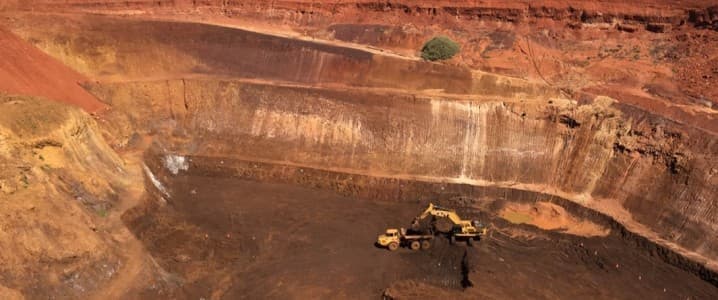
The United States has taken significant steps to enhance its independence in the rare earth sector, a move critical for bolstering national security and advancing technology. Modern defense systems rely heavily on rare earth metals, alloys, and permanent magnets, making access to these materials essential. While the U.S. possesses natural resources, the country has historically struggled to control the processes that transform mined materials into usable products for industry and defense.
The challenge lies in a crucial segment of the supply chain, specifically in converting mined materials into qualified inputs. This process occurs after extraction but before the production of finished components. Without reliable domestic capabilities in this area, the U.S. remains vulnerable to supply chain disruptions, particularly given the geopolitical tensions surrounding rare earth materials.
Strategic Initiatives and Domestic Production
In response to these challenges, the U.S. government, in collaboration with private industry, has initiated several strategies aimed at enhancing domestic production of rare earth elements. These initiatives include investments in local mining operations and the development of facilities dedicated to refining and processing these materials.
According to the U.S. Geological Survey, the country currently relies on imports for approximately 80% of its rare earth needs. This dependency exposes the U.S. to fluctuations in global supply and prices, particularly from countries like China, which dominates rare earth production. By increasing domestic capabilities, the U.S. aims to reduce this reliance and secure a stable supply of essential materials.
The Biden administration has underscored the importance of rare earth independence as part of its broader economic strategy. In a recent statement, a senior official noted, “Strengthening our domestic supply chain for rare earths is vital for our national security and economic prosperity.”
Investment and Innovation in Rare Earth Processing
Efforts to enhance rare earth processing capabilities are also gaining momentum through public-private partnerships. Several companies are exploring innovative technologies that could streamline the conversion of raw materials into usable forms. These advancements hold promise not only for defense applications but also for renewable energy technologies, electric vehicles, and other high-tech industries.
Moreover, the U.S. is examining the potential for recycling rare earth elements from existing products, thereby reducing the need for new mining. This approach aligns with global sustainability goals and could further bolster the domestic supply chain.
As these initiatives unfold, the U.S. is poised to become a more competitive player in the global rare earth market. The ongoing developments are expected to create jobs, stimulate economic growth, and enhance the resilience of the supply chain.
The journey toward rare earth independence is complex, but with a concerted focus on domestic production and innovation, the United States is making strides to secure its position in this critical sector. The implications extend beyond just national defense; they could reshape the landscape of numerous industries reliant on these essential materials.