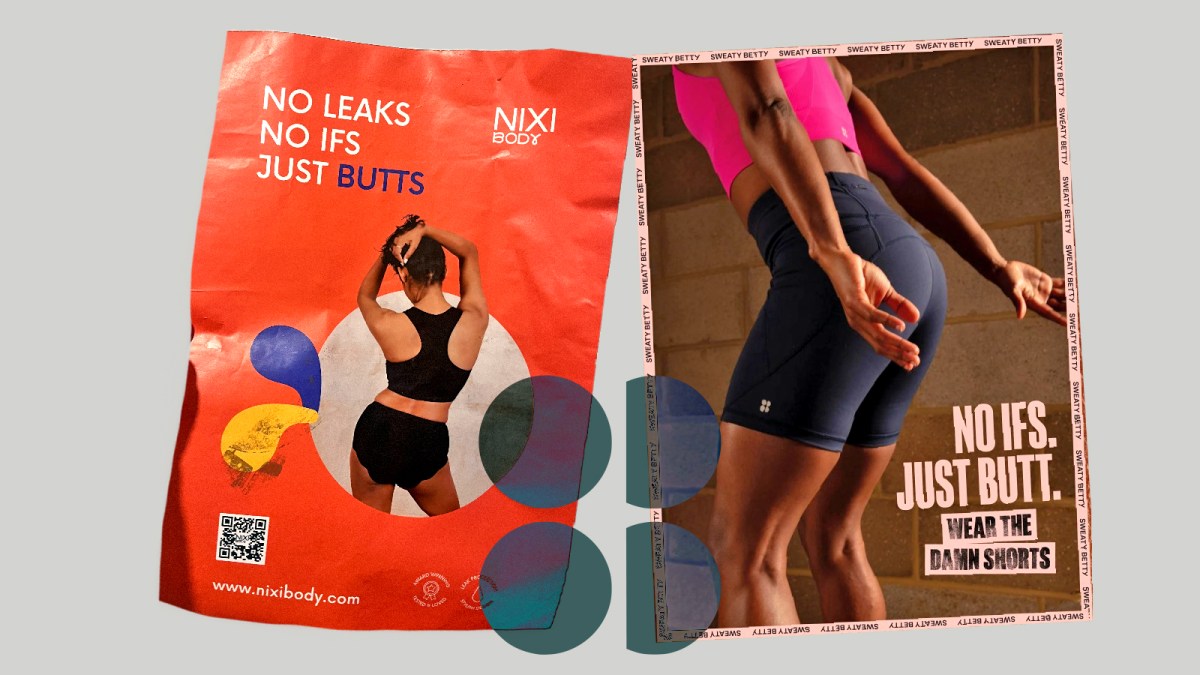
Sweaty Betty, the popular women’s sportswear brand, is under renewed scrutiny as another company has come forward with allegations of slogan appropriation. This follows a similar claim made by a fitness coach who accused the brand of using her original taglines without proper credit.
The latest allegations, revealed on October 10, 2023, suggest that Sweaty Betty has once again failed to acknowledge the intellectual property of another entity. In the fitness and fashion industry, where branding and messaging play crucial roles, the use of uncredited slogans can lead to significant reputational damage and legal repercussions.
Details of the Allegations
The initial claim emerged in September 2023 when a fitness coach accused Sweaty Betty of incorporating her unique taglines into its marketing materials without permission. This incident sparked discussions about the ethical practices surrounding advertising in the competitive sportswear market.
Now, another brand has stepped forward with a similar grievance. Although specific details about this new claimant have not been disclosed, the implications for Sweaty Betty could be substantial. If proven, these allegations not only raise questions about the company’s marketing practices but may also lead to financial consequences.
Legal experts suggest that if the allegations gain traction, Sweaty Betty could face litigation. Such cases often involve lengthy legal battles, which can be costly and damaging to a brand’s image. The sportswear industry is particularly sensitive to issues of originality and branding, which makes these claims all the more serious.
Industry Reactions and Brand Implications
Reactions within the industry have been mixed. Some experts argue that the use of common phrases in advertising is prevalent and may not always constitute theft. Others, however, emphasize the importance of crediting original creators, especially in a sector where innovation and distinctiveness are vital for success.
As the situation unfolds, Sweaty Betty must navigate these allegations carefully. The brand has built a loyal customer base by promoting empowerment and authenticity among women in sports. Any missteps in addressing these claims could alienate its supporters and damage its market position.
The outcome of these allegations remains uncertain. However, they highlight the ongoing challenges brands face in balancing creativity with respect for intellectual property rights. As the fitness and fashion industries continue to evolve, the standards for originality and ethical advertising practices will likely come under increasing scrutiny.
In conclusion, the allegations against Sweaty Betty represent not just a legal challenge but also a pivotal moment for the brand. As both consumers and industry stakeholders watch closely, the resolution of this dispute could redefine the expectations for advertising practices within the women’s sportswear market.